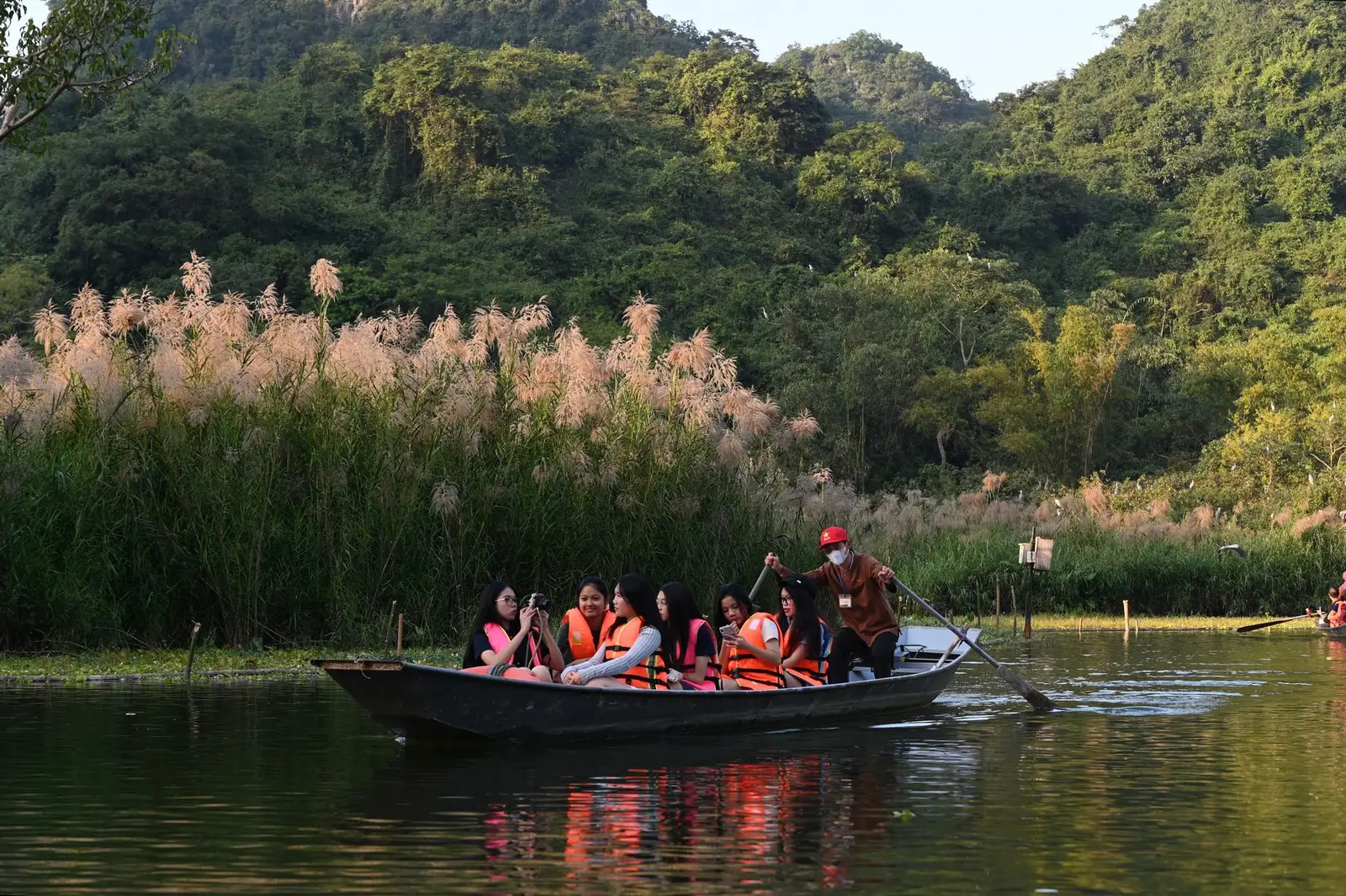
If you have an audience and you’re thinking about leading them on a trip to Vietnam, the fastest way to burn out is trying to run the ground logistics yourself on top of the program. Split the two jobs from day one: you own the group and the itinerary, a local ground team owns hotels, transport, and anything that goes wrong on the road.
You can absolutely do this the DIY way on a small group - book hotels yourself one by one, find a driver through a local contact, stitch the route together from blog posts. Some first-time organizers do exactly that.
What does the organizer actually own, and what belongs to the ground team?
You own the meaning of the trip: who you invite, what the program is about, and how you keep your audience engaged before and during travel. The ground team owns anything that can break with one mistake: block-booked rooms, transport between cities, a guide on the route, and handling what goes wrong on the ground.
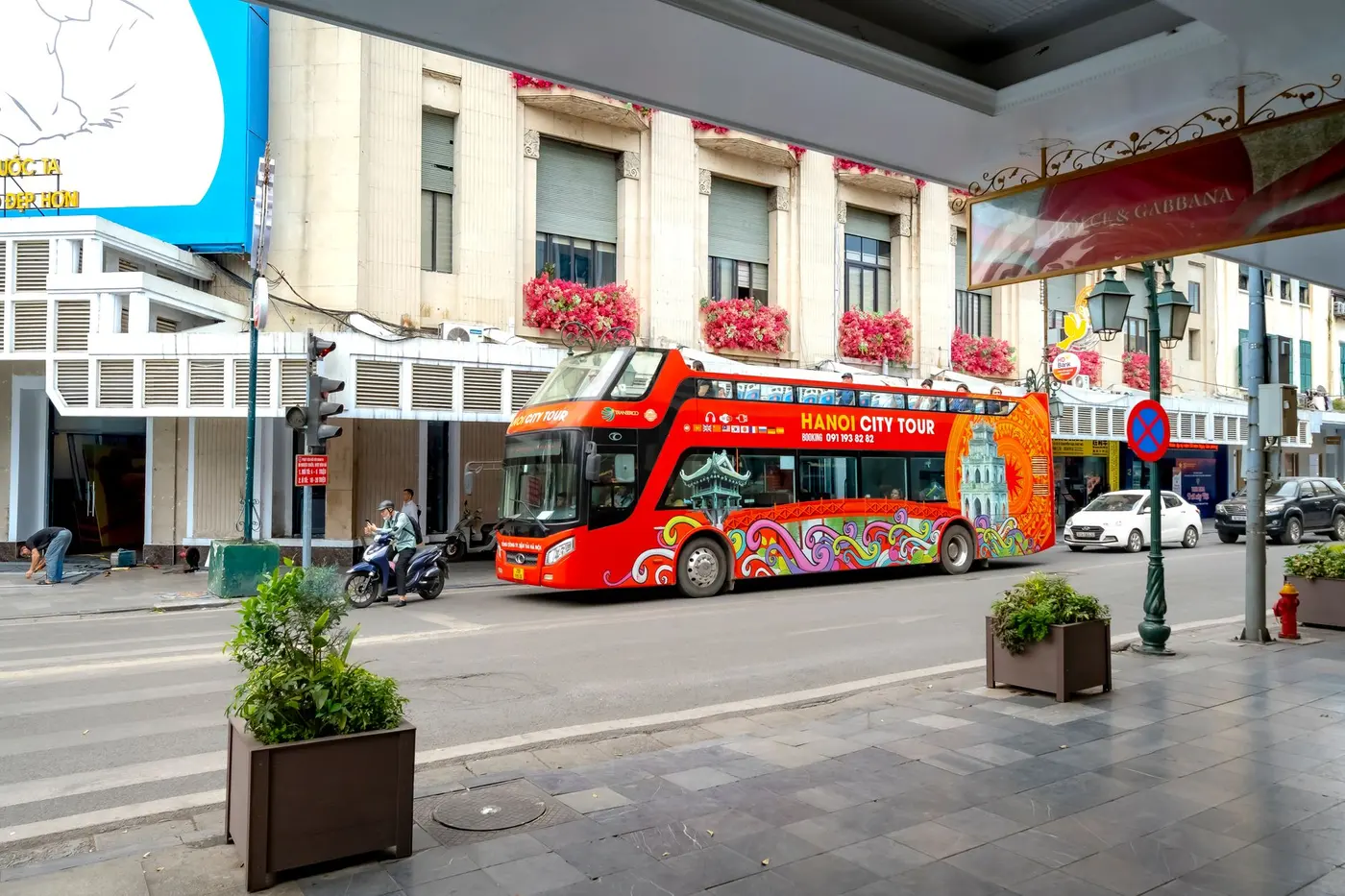
This split works until someone blurs it. The trouble starts when an organizer decides that because they’ve “been to Vietnam before,” they can handle logistics too - and ends up alone with a cancelled hotel block three days before departure.
How many people do you need for the trip to pay for itself?
At 10 paying travelers, the organizer’s own seat becomes free - it doesn’t count toward the paying headcount and isn’t part of that threshold math. At 20 paying travelers, two seats become free: the organizer’s, plus a second one they can give away to someone from their audience.
That’s why a first trip works better at 10-12 people than a full 20: you already clear the free-seat threshold, and a smaller group is easier to manage while you’re still learning the organizer role yourself. On the 7-day “North in Full” route, per-person pricing runs $1,500 on the Full tier and $1,900 on VIP; on the 12-day “Sapa Plus Central” route it’s $1,990 and $2,790. The difference between tiers isn’t just price - it’s what’s included, since inter-city transfers and lodging tiers vary between packages.
What happens when the expert takes ground logistics on themselves?
The same story repeats with most first-timers: the first trip runs on pure enthusiasm, and the second one never happens, because the organizer burned out negotiating buses and figuring out where to put a latecomer. The worst version of this: a hotel drops a block booking days before departure because confirmation dragged on, and the group finds out at the airport.

This is exactly where I step in for a new organizer. I handle the room block, inter-city transport, and anything that goes sideways on the route, so you stay with your group instead of staring at your phone the whole trip. All I need from you are your travel dates and the headcount you’re planning to bring. Message me on Telegram with your group size and I’ll sketch what fits your dates.
Step by step: building your first tour in 90 days
The order of operations is roughly the same for any group size: from announcing dates to sending a pre-departure checklist, the whole cycle runs about 90 days, and each step has a deadline worth respecting. Skip a step or push a deadline back and the next one gets harder - most first-timers lose control right around the payment-collection stage.
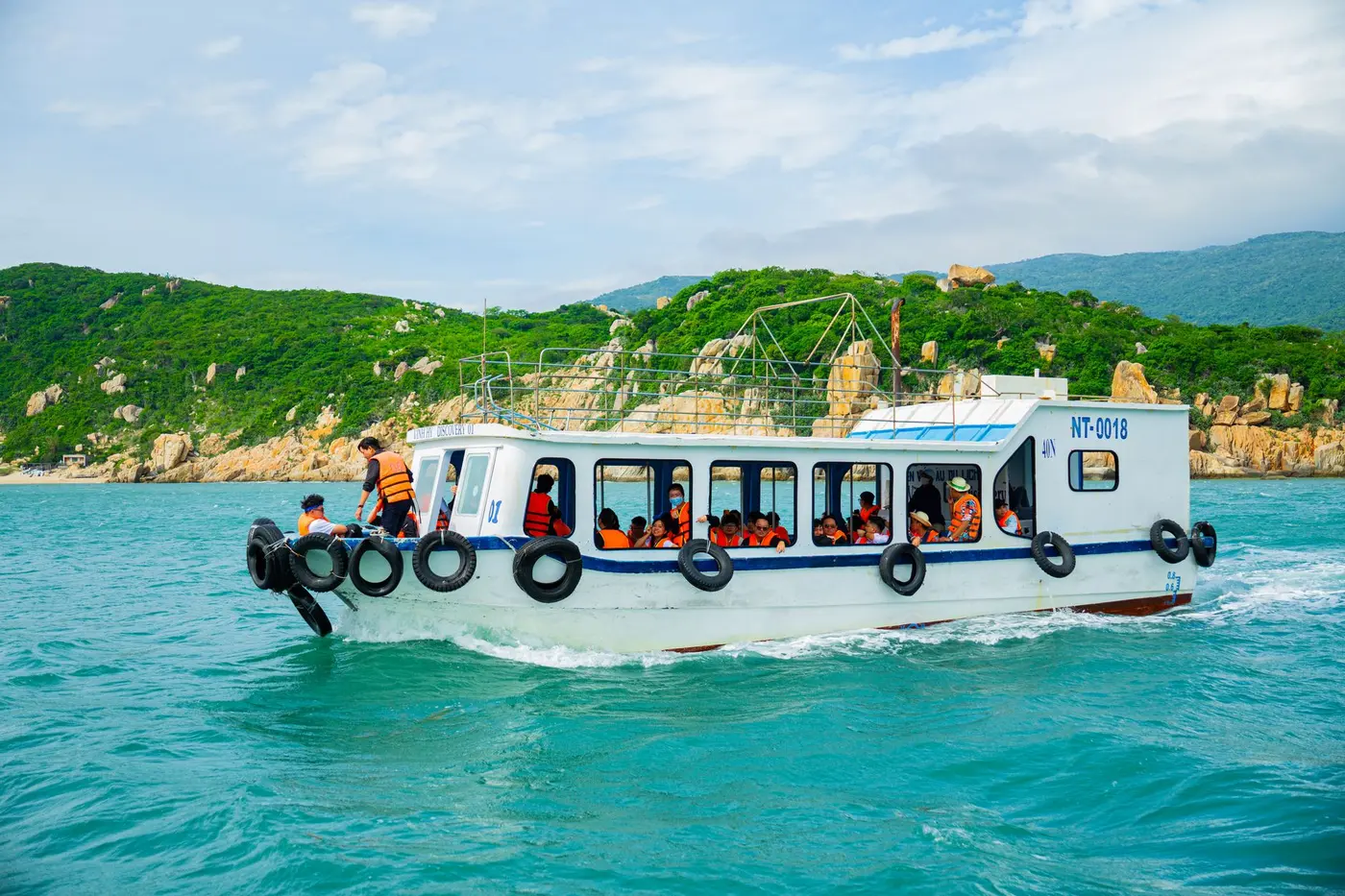
- 90 days out - announce your dates and a rough shape of the program to your audience, without locking route details yet.
- 75 days out - collect a shortlist of interested people and confirm you can hit the minimum for a free organizer seat (10 travelers).
- 60 days out - lock the route, room block, and transport with the ground team against your confirmed headcount.
- 45 days out - open payment collection from your travelers and set a cancellation deadline that still allows a refund.
- 20 days out - close the roster and hand the ground team final numbers: headcount, plus anyone with dietary or room requests.
- 7 days out - send the group a practical checklist: what to pack, airport pickup time, how to reach you on the ground.
Who collects money from your travelers?
You collect payment from your own audience yourself, on your own account - that stays entirely on your side, and the ground team isn’t part of it. What you get from us instead is a group quote well in advance, so you can price the trip for your travelers without guessing what’s included.
The gap between Light, Full, and VIP tiers isn’t only about price - it’s about what’s covered: inter-city transfers and lodging level differ between packages. Check your group price against the quote before you announce it to your audience; a pricing mistake here eats your margin, not ours.
How many people should you bring the first time?
10-12 people makes more sense for a first trip than jumping straight to 20: you already clear the free-seat threshold, and a smaller group is easier to run while you’re still learning the organizer role in practice. Twenty-plus is a second or third trip move, once your program and audience communication are proven in the field, not just on paper.
If spending weeks negotiating hotels and transport for one trip isn’t how you want to spend your time, I’ll put together a quote for your dates and headcount - you get a ready program and group price, not a task list. Send me your travel dates on Telegram and I’ll build the quote around your audience.
For the deeper math on organizer economics and what creators actually earn running group trips, I wrote a separate breakdown - useful if you want the numbers before the process. Ground transport between cities is its own topic, covered in my guide to vans, buses, and sleeper buses .