When someone in your Vietnam group loses a passport, gets hurt, or ends up talking to the police, the order of your calls matters more than how fast you dial. Report to local authorities first, then contact your embassy or insurer - reversing that order is the single most common mistake group leaders make. Vietnam runs three nationwide emergency lines, staffed 24/7 in every province: 113 for police, 114 for fire, and 115 for ambulance.
I’ve led group trips through Central Vietnam since 2023, and every serious incident I’ve handled followed the sequence below - worth saving before you fly, not after you need it.
What Should You Do in the First 30 Minutes?
Your first job is triage, not paperwork. Get the injured or affected traveler safe, away from traffic or a crowd, call the right number - 113 police, 114 fire, 115 ambulance - and tell the rest of the group where you’re going and who’s in charge while you’re away. A missing person or a robbery both start with 113, not with a hospital or a hotel front desk.
Before you ever board a flight, keep a photo of every passport’s data page and visa stamp in a shared folder. It’s the fastest way to describe a missing document to police or a consulate when the traveler themselves is too shaken to remember page numbers. I keep my copy on a phone that stays with me, not with any one guest.
How Do You Handle a Lost or Stolen Passport?
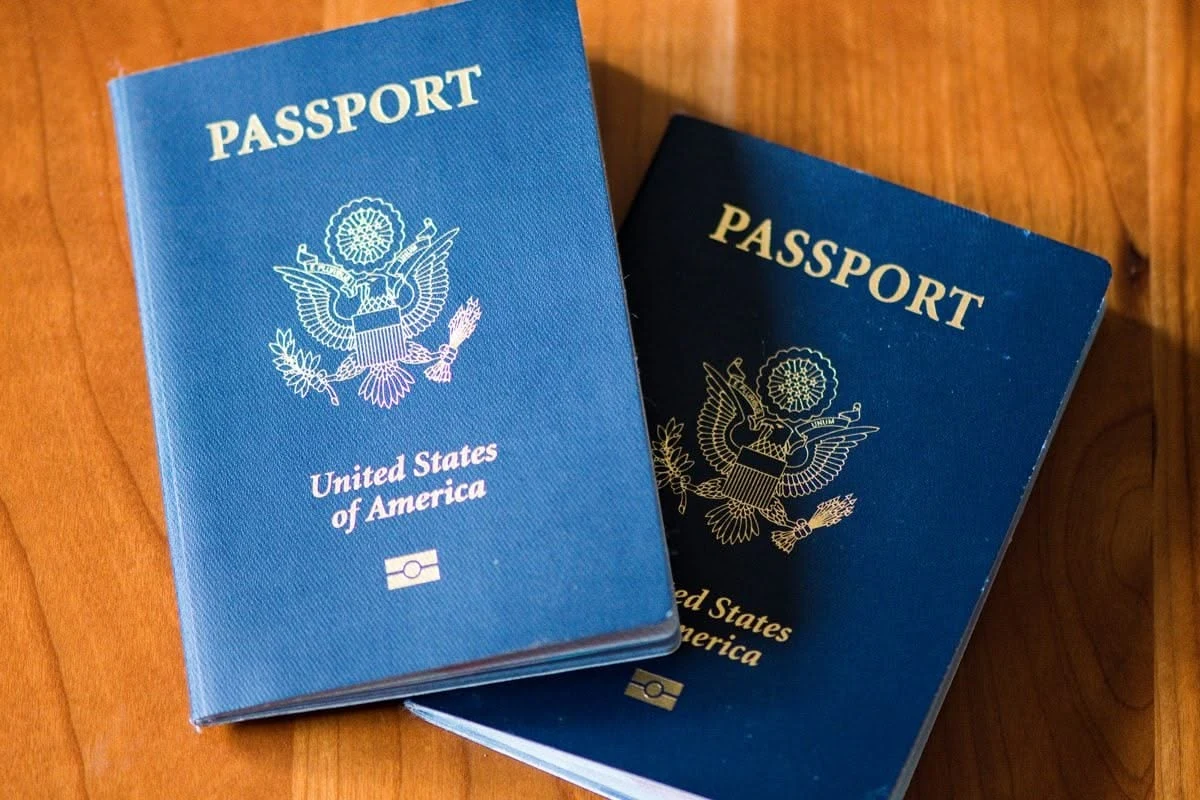
A lost or stolen passport in Vietnam always starts with a police report - the embassy step comes after. Local police (công an) issue a written confirmation of the loss, and that document is what your traveler’s embassy needs before it will issue any replacement travel paper.
Processing times vary by nationality, but they’re rarely instant: Russian citizens, for example, typically get an emergency travel document within two working days, up to 15 if extra checks are needed, and the document itself is valid for just 14 days - enough to fly home, not to keep traveling. Ask your traveler to check their own country’s consulate page before the trip, not during it. Vietnam’s biggest cities - Hanoi, Da Nang, Ho Chi Minh City - host most consulates and honorary consuls, so know which one covers your group’s route.
Public or Private Hospital: Which Do You Choose?
Vietnam’s state hospitals (bệnh viện) treat emergencies for far less money, but few staff speak fluent English and the paperwork is entirely in Vietnamese. International private clinics like Family Medical Practice or Vinmec run English-speaking staff and internationally trained doctors - a routine doctor’s consultation in Da Nang runs roughly $86-110, before any tests or treatment.

If your insurer has no direct-billing agreement with the hospital, expect a deposit before treatment starts. Vinmec, for example, works directly with 30+ international insurers, but travelers without one of those policies are typically asked for a cash or card deposit somewhere between $800 and $4,000 depending on the procedure, with the balance due at discharge. Call your insurer before you commit to treatment.
How Does a Travel Insurance Claim Actually Work?
Call your insurer’s assistance line before you walk into a clinic. Most policies only guarantee reimbursement for pre-approved visits, with one exception: a genuinely life-threatening emergency, where you treat first and call second.
Keep the paper trail from minute one: a medical report with date, diagnosis and cost, your passport pages showing entry stamp and visa, the clinic’s payment receipt, and pharmacy receipts with a stamp if you’re claiming medication. Missing one of these is the most common reason claims come back for more paperwork.
What Happens After a Motorbike Accident Without an IDP?
Almost every travel insurance policy voids motorbike-accident coverage if the rider didn’t hold a valid license for Vietnam at the time of the crash, and a home-country driver’s license alone doesn’t count. Vietnam only recognizes International Driving Permits issued under the 1968 Vienna Convention with a category A endorsement for motorcycles; the older 1949-convention IDP, common in countries like Australia, isn’t accepted.

Ride without that paperwork and get hurt, and you’re paying full price out of pocket - a broken leg operated on in Hanoi commonly runs $3,000-5,000, and a medical evacuation to Bangkok starts around $20,000. If the crash causes injury or death and you’re found at fault, Vietnam can pursue criminal liability against a foreigner even for what looks like a minor injury back home, so check every rider’s IDP before anyone touches a bike - that single document decides who pays if something goes wrong.
What’s the Legal Way to Pay a Police Fine in Vietnam?
For minor traffic violations, Vietnamese police commonly let foreigners settle up to roughly 250,000 dong in cash on the spot, and that’s the fastest way to get documents back without losing a travel day. For anything above small change or a serious violation, the formal process is a written fine, paid through a bank or the state treasury.
Property damage above about 500,000 dong, roughly $20, is enough to trigger a formal police report and investigation, and paying an officer directly with no receipt for that kind of fine crosses into bribery territory - a real legal risk on both sides in a country that actively prosecutes traffic-police corruption. If in doubt, ask for a receipt and pay through Vietnam’s public-service portal, dichvucong.gov.vn .
How Do You Handle the First Hour as Group Leader?
The first hour decides how smoothly everything after it goes. Work through these steps in order, and don’t skip the call to your insurer even if the situation feels handled - a claim without that call is often a claim that gets denied.
- Get the traveler safe, then call 113, 114, or 115 depending on what’s actually happening.
- Tell the rest of the group where you’re going and appoint someone to stay with them.
- Call the traveler’s travel-insurance assistance line and describe the situation before you commit to a clinic, unless it’s life-threatening.
- For a lost passport, get the police report first, then call the traveler’s embassy or nearest consulate.
- Photograph every document as you go - police report, clinic receipt, hospital admission form - before the paper gets lost in a bag.
What Do First-Time Group Leaders Get Wrong?
The mistake I see most often isn’t panic - it’s skipping the sequence: heading straight to a hospital before calling the insurer, or letting a rider hop on a rented bike with a license Vietnam doesn’t actually recognize.
This is where I usually get pulled in before it becomes a crisis. I keep a laminated card in every group’s welcome pack with the right emergency numbers, our own insurer contact, and the nearest hospital for that leg of the route, so nobody’s digging through email on their phone while someone’s hurt. On my side, that’s a five-minute briefing before day one; on yours, it’s writing your policy number somewhere that isn’t just your inbox.
If your group’s paperwork tends to break at the border rather than at a clinic, visas for a group of 10 to 30 people carry their own failure points - worth reading before you build the itinerary. And if you’re weighing whether to run logistics yourself or hand them to a ground handler, that decision has its own trade-offs .
What Actually Decides the Outcome
Almost every bad scenario above turns into a manageable one if the calls happen in the right order: local authorities first, insurer or embassy second, and cash out of pocket only where a document that took five minutes before the flight was skipped. It’s rarely bad luck that turns an incident into a ruined trip - it’s the order of the first three calls.
None of this replaces a proper insurance policy or a border-savvy travel agent, but it’s the difference between a bad afternoon and a ruined trip. I build these safety nets into every route I run out of Vietnam , from the emergency contact list to which hospital covers which leg. Message me on Telegram and tell me your route - I’ll tell you which hospitals and consulates actually matter for it.
Frequently asked questions
Does travel insurance cover a motorbike crash if the rider only has their home-country license?
No. Vietnam only accepts International Driving Permits issued under the 1968 Vienna Convention with a motorcycle category A endorsement - a US, UK, or Australian home license alone doesn’t satisfy that requirement, and most insurers void the claim without it.
What if the group is somewhere with no hospital nearby?
Get the traveler to the nearest provincial hospital by car rather than waiting for an ambulance to arrive from a bigger city. Vietnam has a public hospital in nearly every province, and 115 dispatchers can tell you the closest one by phone.
Can you legally hand cash straight to a police officer to settle a fine?
Only for small on-the-spot fines, typically under roughly 250,000 dong. Anything larger needs a formal receipt and payment through a bank or the state treasury, and paying an officer directly without one risks a bribery charge for both sides.
What if the passport turns up again after you've already reported it lost?
Tell the police station that took your report and the consulate you contacted. An emergency travel document already in progress can usually be canceled, and traveling on a passport flagged as lost causes border problems even if you’re holding it in your hand.
Who pays if a private hospital won't treat someone without a deposit you can't cover?
Call the insurer’s assistance line immediately. Direct-billing partners like Vinmec’s 30-plus international insurers can authorize treatment without an upfront deposit, which is exactly why that call comes before the clinic door.
Should a group leader carry photocopies of everyone's passport?
Yes - a phone photo of the data page and visa stamp for every traveler is the fastest way to file a police report or start an embassy replacement, and it costs nothing to prepare before departure.