
A free spot for a group leader is not a gift from the operator - it is a simple ratio: how many people paid for the trip decides whether the leader flies for free. Among real tour operators that ratio runs from 5 paying travelers per free spot up to 16, depending on the trip format. I have been leading groups across Vietnam since 2023, and my own threshold is fixed at 10 paying travelers for the first free seat.
If you are counting your own group right now, the numbers below walk through it step by step.
What actually counts toward a free spot?
Operators count paying travelers, not the total headcount including the leader. Explorica runs a program called “Travel Free with Five”: the group leader earns one free trip for every 5 paying travelers who sign up. EF Go Ahead Tours sets a different bar - one free spot for every 6 fully paid travelers, with no cap on how many free spots a leader can earn.

The leader is never part of that paying count. This is where new organizers trip up: counting “we are 11, so one is free” instead of “I have 10 paying people, so I’m the free one, and the group is 11 including me.”
What you lose when a group falls short
Gate 1 Travel’s Friends & Family program gives a full free spot only from 10 paying travelers, but below that line it doesn’t leave the organizer with nothing. Short of the threshold, the credit climbs in fixed steps until it tops out at $400 right below the full free spot - an honest example of how the industry softens a shortfall with cash instead of a whole trip.
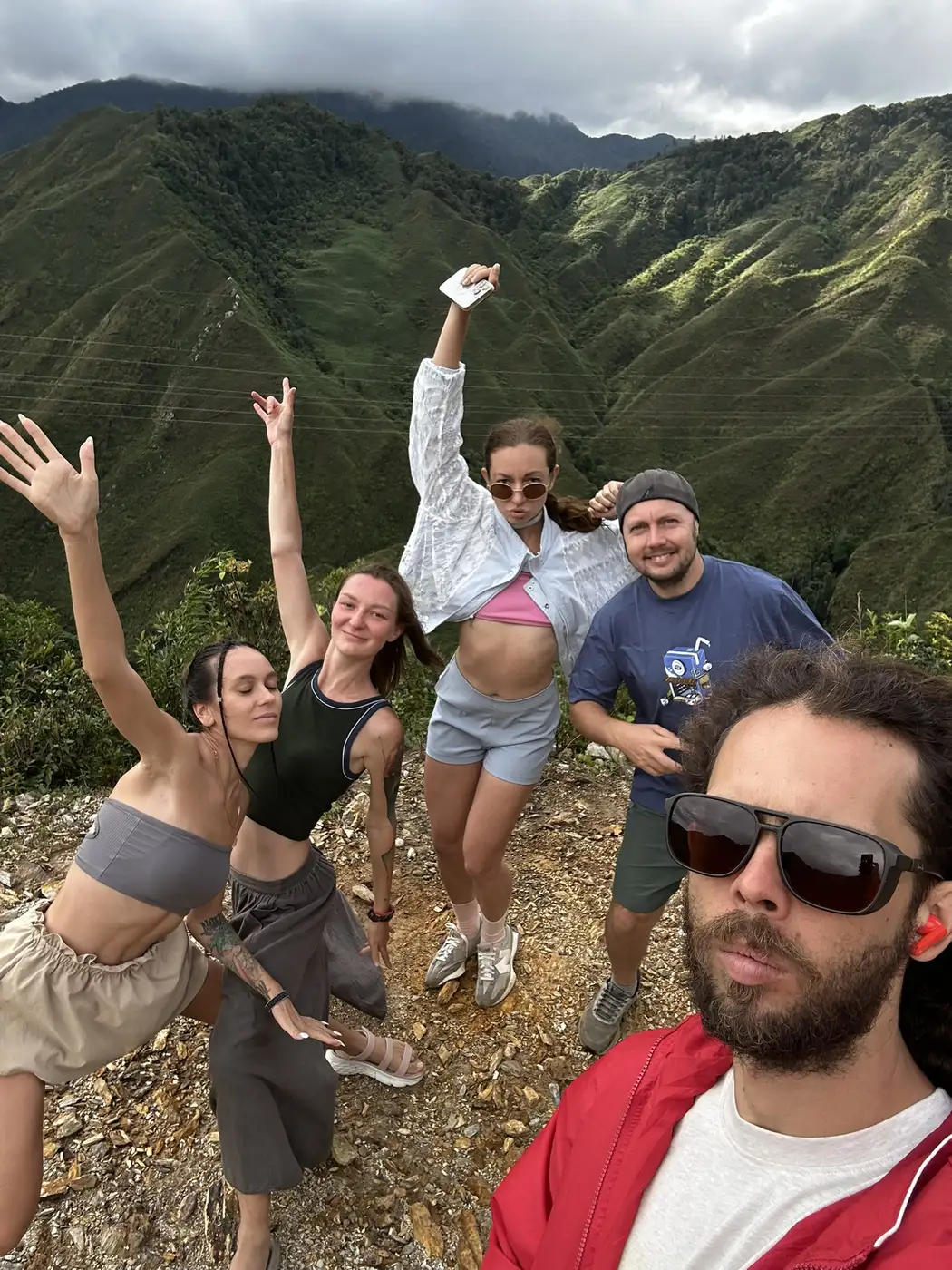
Sometimes it goes worse than that. In one real case with Overseas Adventure Travel, an organizer was building a safari group with a 13-traveler threshold; fell one person short, the 13th never signed, and no replacement was found in time. The free spot didn’t happen. Instead the organizer got a smaller cash credit and split it among the group, and the trip still ran, just at a higher price than everyone had planned for.
Step by step: counting your own group’s free spot
The rookie mistake is guessing the threshold in your head and hoping the math works out on its own. This is the order I use myself every time I put a group together, five steps and no spreadsheet required, just your operator’s threshold and an honest count of who has actually paid.
- Start with your operator’s threshold - mine is 10 paying travelers for the first free seat.
- Separate yourself from the count: you are the free spot, not one of the paying travelers in the denominator.
- Count only people who have actually paid a deposit, not everyone who said “I’m in” in the group chat.
- If your operator has a second tier (mine is 20 people for a second free seat), recalculate fresh at each threshold rather than adding percentages by hand.
- Write the threshold down before sales open - a verbal agreement made at traveler number 8 changes more often than anyone wants.
How the threshold differs across operators
The threshold among major operators varies almost threefold, and what “free” actually means is not always the same. Sometimes it’s a whole trip, sometimes only a partial cash credit - and the operator that sets the highest bar isn’t the one you’d expect from a bus tour.

| Operator | Free spot threshold | What is actually free |
|---|---|---|
| Cruise lines (Tour Conductor credit) | 1 free per 16 paid | free cabin at the 16th passenger |
| Overseas Adventure Travel | 1 free per 10 friends | full trip, 12-14 for safaris |
| EF Go Ahead Tours | 1 free per 6 paying | full trip, no cap |
| Explorica (educational groups) | 1 free per 5 paying | full leader trip |
Cruise lines set the bar highest for a simple reason: a cabin costs more than a bus seat, so the operator needs a bigger group to break even on it.
How my own program works: the 10-and-20 ladder
Shortfalls are exactly where many operators’ free spots evaporate, and an organizer’s math falls apart right when it’s too late to cancel. Mine is fixed and known upfront: a group of 10 earns the leader one free spot, a group of 20 earns two, and the leader draws the second one among their own followers. The leader is never counted among the paying travelers.

Three real routes fit under this ladder, each with its own price tier: a one-week “North in Full” loop, a 12-day “Sapa plus Central” route, and a short Da Nang - Hanoi - Ha Long run. All three, with their exact price tiers, are listed on our route overview .
Because the threshold is fixed, I never have to recalculate a sliding discount on the fly the way operators with flexible credit tables do. Message me on Telegram - tell me your audience size and I’ll tell you which threshold is realistic and which route fits your budget.
How many people to plan for: the short answer
If your operator’s threshold sits at 5 or 6 paying travelers, the free spot pays off on a small group and the shortfall risk is low. If the threshold sits at 10 or higher, plan a buffer of a person or two above the minimum - the last traveler is usually the one who drops out closest to departure. A small buffer beats planning exactly at the threshold.
I build groups against this exact threshold every season, and the pattern repeats: organizers who plan a small buffer almost never lose their free spot to a random cancellation. I already have a ready route across three formats - no need to build a program or work out thresholds from scratch. Tell me your dates and rough group size, and I’ll tell you what threshold is realistic for your audience.
The same math shows up on the earnings side of running a group, not just the free spot: I broke it down in how much a blogger earns running a group tour .
Frequently asked questions
How is a staff tour guide's free spot different from a leader who built their own group?
A staff guide gets a free spot as part of their salary from the company, regardless of who sold the tours. A leader who built their own group earns the free spot through their own work of recruiting people - for them, it’s not a salary, it’s a direct result of how full the group is.
Can a free spot be traded for a discount for the whole group instead of one free trip?
With some operators, yes: Gate 1 Travel, for example, offers a cash credit from $100 to $400 below its 10-traveler threshold instead of a full spot. Above the threshold, that usually stops being a choice and becomes a fixed rule specific to that operator.
At what group size does a free spot stop being worth it for the operator itself?
Cruise lines hold their threshold at 16 paid passengers precisely because a cabin costs more than a bus seat, and recovering that cost on a smaller group isn’t worth it for the operator. Land tours with compact groups tend to set a lower threshold for the same reason in reverse: one seat simply costs less.
Do you owe tax on a free spot earned by filling a group?
A free spot is effectively income in kind, and in most jurisdictions that kind of income is reportable the same way cash income is. The exact rules depend on the organizer’s country of tax residency, so check the specific amount and reporting requirement with your own accountant rather than the tour operator.
What happens if a traveler cancels after the threshold was already met?
Rules vary by operator: some lock in the free spot as long as the threshold was met at final payment, others recalculate right up to departure. The real Overseas Adventure Travel shortfall case is exactly this situation - the 13th traveler never confirmed, and the organizer got a cash credit instead of a full free spot.
