
A tourist e-visa to Vietnam cannot be extended, and you can’t apply for a new one while still inside the country — so the fix is a visa run to the Lao Bao border, 245 km from Da Nang. I learned this 87 days in, three days before expiry, in a van heading to Laos at 4 AM.

The Catch-22 Nobody Explains
You need a new e-visa to re-enter Vietnam. But you can’t apply for one while you’re inside Vietnam — the system blocks it. And the e-visa takes 3 working days to process.
So how do people come back the same day? There are visa run services in Da Nang that file your e-visa application the moment you get your exit stamp. You cross into Laos, they submit from the Laos side, and if everything’s pre-filled correctly, approval comes through within hours.
I didn’t know this on my first run. I crossed into Laos, panicked, and booked a flight to Bangkok thinking I’d need to wait days abroad. That was mistake number one — and the most expensive one.
What Actually Happens at Lao Bao
The border is 245 km from Da Nang — about 4.5 to 6 hours by van. You drive north on QL1A to Dong Ha, then west on QL9 through Quang Tri.
The process at the checkpoint:
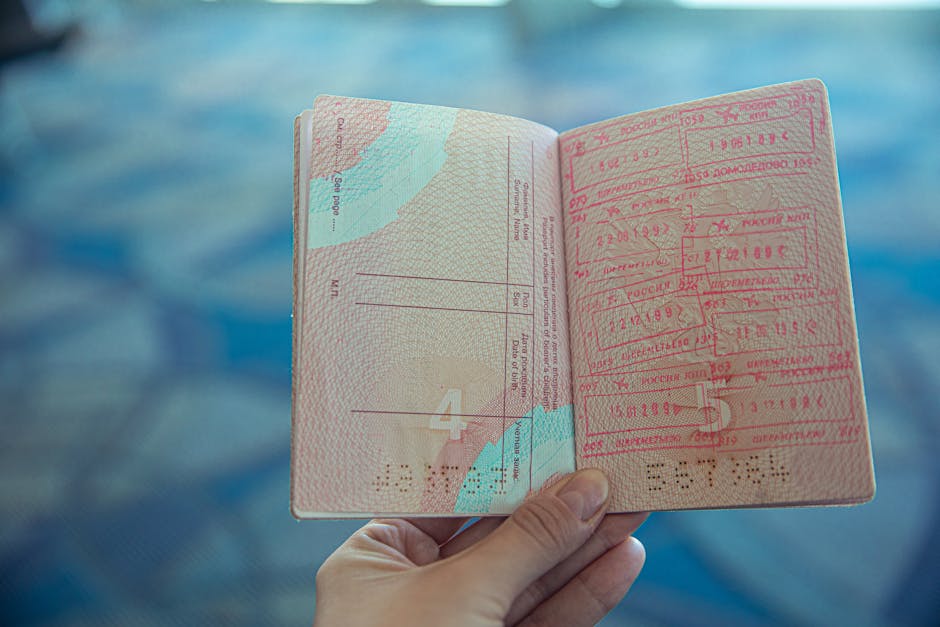
- Walk to the Vietnam immigration counter. Get your exit stamp.
- Walk about 50 meters to the Laos side (Dansavanh checkpoint).
- Pay for Laos visa on arrival in cash USD. Bring crisp bills — they reject anything torn or marked.
- Get your Laos entry stamp. Turn around. Get your Laos exit stamp.
- Walk back to Vietnam. Show your new e-visa and get your entry stamp.
- Drive home.
The whole visa run from Da Nang is a full day — plan for 10–12 hours door to door minimum. The border queue itself can be quick or slow depending on the day, but the 5-hour drive each way is the real time cost.

Mistake Number Two: No Cash
The Laos immigration officer asked for dollars. I had Vietnamese dong and a credit card. He stared at me. No ATM at the border. No card machine. The money changer near the gate offered a rate so bad I would have paid nearly double.
A fellow visa-runner lent me cash. I sent her a Wise transfer while standing in line on the Vietnam side. Bring USD. In crisp, clean bills. This is non-negotiable.
Also bring two passport photos. If you don’t have them, the Laos side charges extra to scan from your passport page. It’s small money, but it adds waiting time you don’t want.

Mistake Number Three: Leaving at 8 AM
The border opens at 7 AM. If you leave Da Nang at 8, you arrive around 1–2 PM. By the time you’re processed and driving back, it’s dark on mountain roads through Quang Tri. The road isn’t dangerous, but it’s not fun either.
Leave at 4–5 AM. Arrive at the border by 9. Be back in Da Nang for dinner. Every experienced visa runner I’ve met since tells me the same thing — early morning, weekday, no exceptions.
Tuesday through Thursday is quietest. Avoid weekends, Vietnamese holidays, and anything near Tet — e-visa processing shuts down for about 8 days.

What It Actually Costs
The budget version by public bus: around 500,000 VND round trip plus the Laos border fee plus $25 for a new e-visa. Total: roughly $80–120.
The comfortable version with a dedicated visa run service from Da Nang — car, bilingual helper at the border, e-visa filing — runs about $145–180 all in.
The flight version: round trip to Bangkok plus a hostel night plus food plus the e-visa. Total: $200–330. But at least you get pad thai out of it.
Four visa runs a year adds up to $320–720. Expats here call it “the tax for living in paradise.”
After Three Runs, It Gets Mechanical
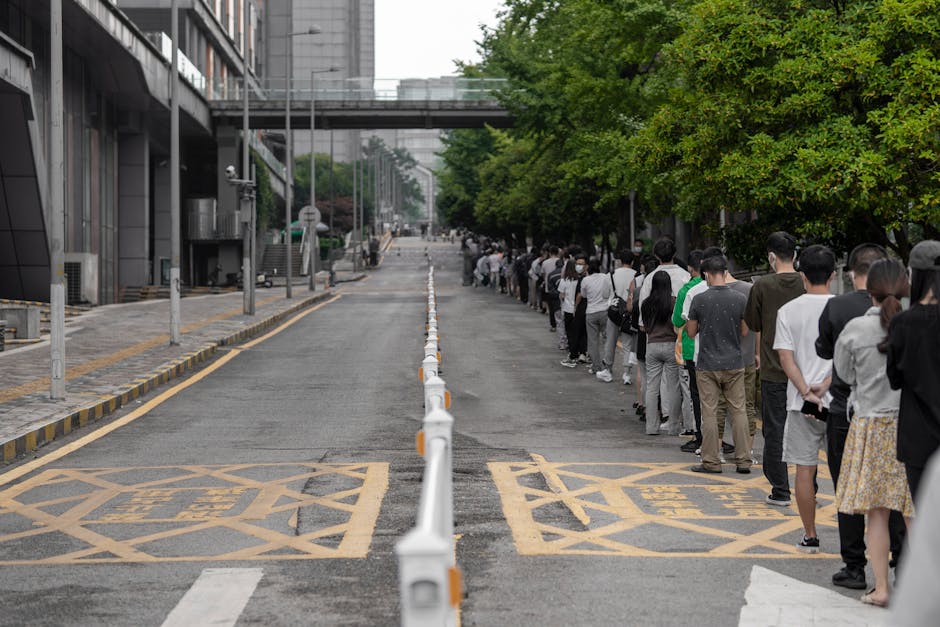
The first time is stressful. You’re not sure the stamps will work. You don’t know if the officer will question your pattern. You worry about your apartment in Da Nang while you’re standing at a border gate in Quang Tri at 9 AM.
By the third run, you know the routine. You’ve pre-filled the e-visa form on your phone. The whole day takes 10–12 hours and you’re home by evening.
But if you’re doing this more than 3–4 times, start looking at alternatives. Business visas, work permits, or a Temporary Residence Card might save you money and stress in the long run. Immigration officers notice patterns — too many visa runs and they can flag your passport.

Our team at Samurai Tour does visa runs with expats every week. If it’s your first run and you want someone to handle the logistics — or if you need advice on switching to a longer-term visa — reach out:
- Telegram @vietnam_samurai — DM the word VISA
- Telegram bot — message me
Already sorted on your visa? Check our step-by-step e-visa guide for the application details.