
Vietnam e-visa applications (evisa.gov.vn) get rejected for one of eight reasons — all fixable once you know which one triggered the denial. The $25 fee is non-refundable, but there’s no mandatory waiting period: you can resubmit the same day you receive the rejection notice.
I’ve helped enough people navigate Vietnam’s evisa portal to know that most rejections come down to documentation errors, not actual eligibility problems. Here’s how to diagnose your case and get approved on the second try.
What Actually Triggers a Vietnam E-Visa Rejection
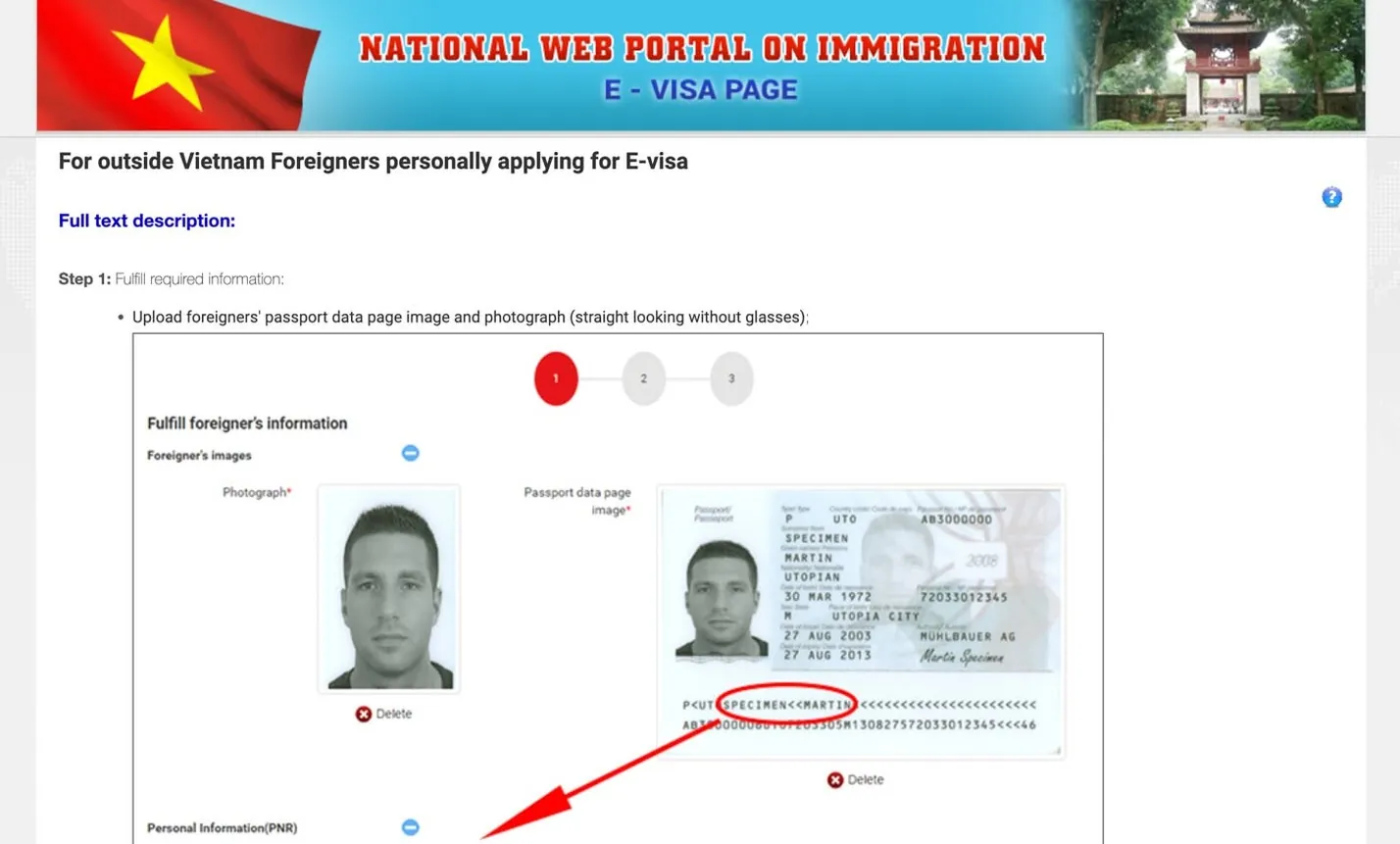
The Vietnamese immigration system doesn’t explain rejections in the notification email. You get a “Rejected” status and that’s the end of it. So you have to work backward from the checklist:
- Passport validity under 6 months from your planned entry date, plus fewer than 2 blank pages
- Name mismatch — your name must match the Machine Readable Zone (MRZ) line on the passport data page, character for character, including hyphens and spaces
- Date format error — evisa.gov.vn uses DD/MM/YYYY only; entering MM/DD/YYYY (American format) is one of the most common rejection causes for US applicants
- Passport scan quality — blurry, cropped corners, or page glare
- Applicant photo issues — colored background, HEIC format instead of JPEG, face smaller than 70% of frame, file over 5MB
- Unverifiable accommodation address — hotel or apartment can’t be found on Google Maps
- Previous immigration violation — even a 1-day overstay from a prior trip stays on record
- Wrong visa type — single entry ($25) vs. multiple entry ($50) mix-up
Most of these are administrative slip-ups, not fundamental eligibility issues. Once you’re through and the visa clears, my ready-made Vietnam itineraries save you from building the rest of the trip from scratch too.
The One Thing That Gets You Auto-Rejected
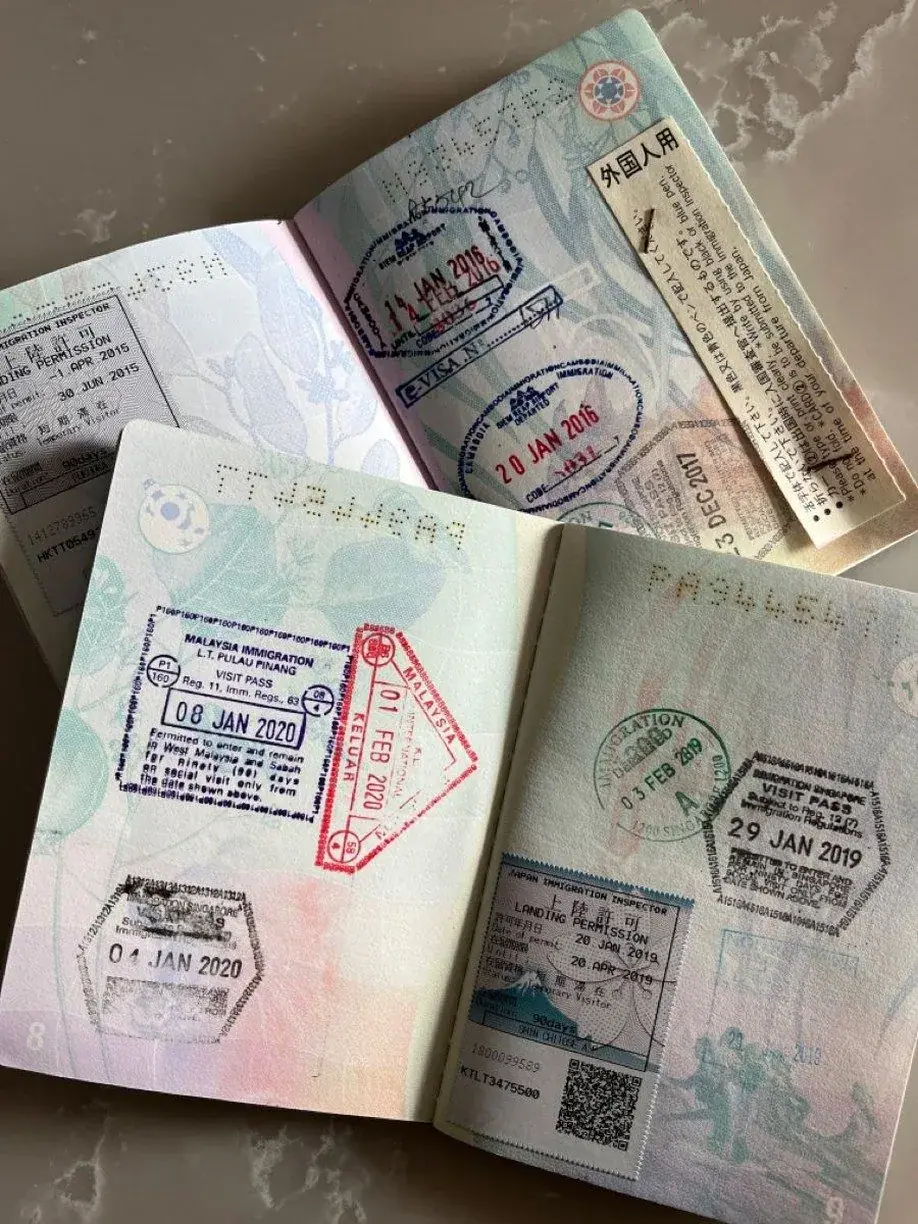
If you physically apply for a Vietnam e-visa while you’re inside Vietnam — the system will auto-reject your application. This catches a lot of people off guard.
The rule is straightforward: e-visa applications must be submitted from outside Vietnam. The portal tracks applicant location at the time of submission. If you’re in the country trying to extend your stay through an online re-application, it won’t work.
Your only option when already in Vietnam is a physical border crossing. Cross into Laos, Cambodia, or another neighboring country, submit your new e-visa application from there, wait the standard 3 business days for approval, and re-enter Vietnam with the new visa. Knowing what to do after the e-visa is approved — from printing the PDF to double-checking the details before your flight — keeps that re-entry clean. This is what people call a visa run.
Figuring out which specific slip-up triggered your rejection is hard from the outside, and it’s where I usually get pulled in. I go through your actual application — the photo, the address, the entry point — and, if a visa run is the only fix, I sort the border-crossing logistics so you re-enter clean. Message me on Telegram with what happened.
Your Pre-Submission Checklist
Before paying the $25 fee again, run through every item on this list:
Passport and documents:
- Passport valid for at least 6 months past your planned entry date
- 2 or more blank pages
- First page scan: horizontal, all four corners visible, no glare, clear lighting
Photos:
- Applicant photo: white background only, JPEG format, max 5MB, face 70–80% of frame
- No glasses, straight-on view
Application form:
- All dates in DD/MM/YYYY format — double-check entry and exit dates
- Name exactly matches MRZ line (the two-line code at the bottom of your passport photo page)
- Accommodation address is a real, searchable location
- Visa type matches your actual travel plan
Travel history:
- No undeclared overstays in Vietnam from previous trips
- Travel purpose is consistent with visa category selected
Once everything checks out, create a new application on evisa.gov.vn. Applying on the official Vietnam e-visa website is straightforward once your paperwork is clean, and processing takes 3 business days on average, sometimes faster. The old rejected application cannot be continued — you submit fresh each time.
What to Do If You’re Rejected a Second Time
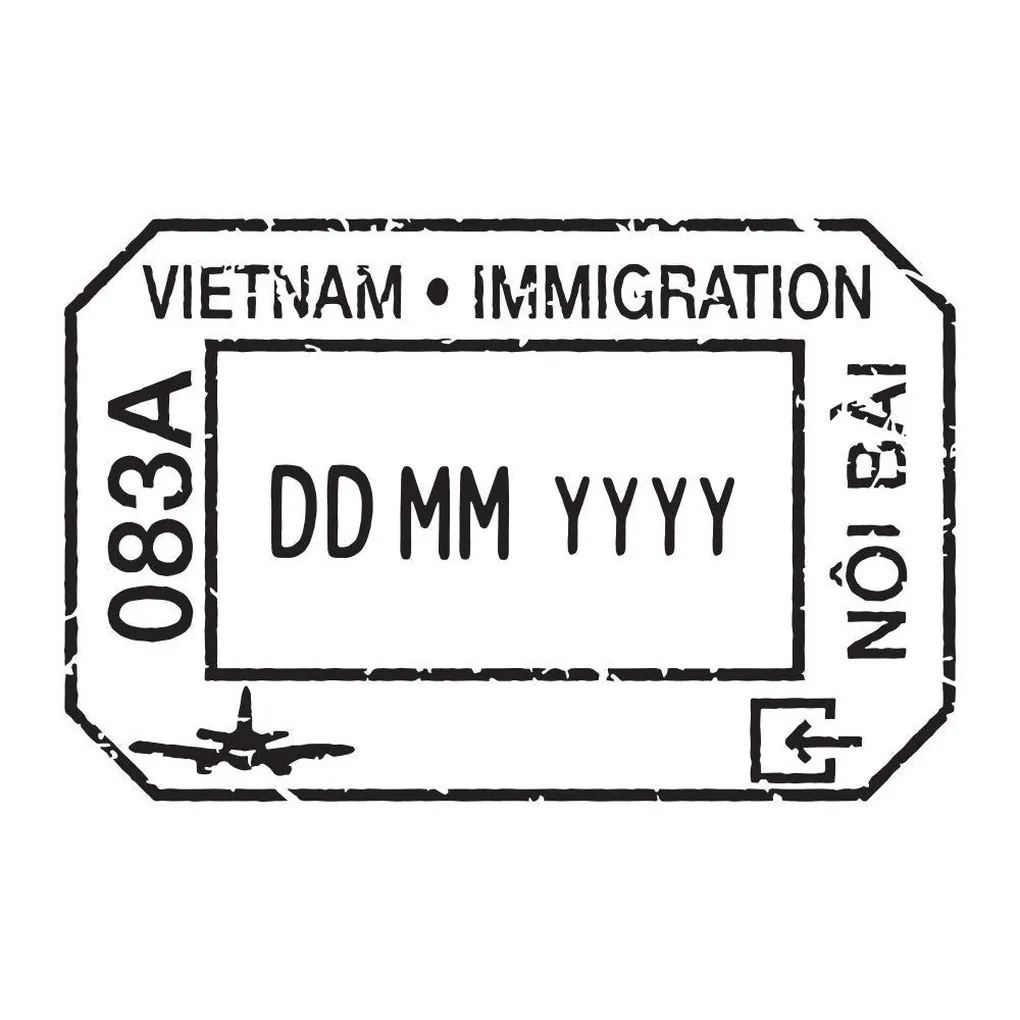
Back-to-back rejections usually mean something beyond a paperwork error. Common scenarios:
- Immigration record flag — a past overstay or undeclared stay that’s still visible in the system, even from years ago
- Repeated short-stay entry pattern — multiple visa runs within a short period can trigger suspicion of undeclared employment
- System processing error — rare, but happens around Vietnamese national holidays; try resubmitting after 48 hours with identical documents
Vietnam has no formal visa appeal process. There’s no way to contest a rejection; the only path forward is identifying the root cause and resubmitting. Submitting a third time without diagnosing the problem wastes another $25.
When Local Expertise Makes a Difference
If you’ve reapplied twice and still can’t get through, or if your travel history has complications (overstays, frequent border crossings, business travel on a tourist visa), talking to someone based in Vietnam can help you figure out what’s flagging your application.
Our team at Samurai Tour is based in Da Nang and regularly helps travelers and expats work through e-visa issues — including situations that need a different strategy than a standard resubmission. Drop us a message on Telegram @learnx1000 with what the rejection letter said.