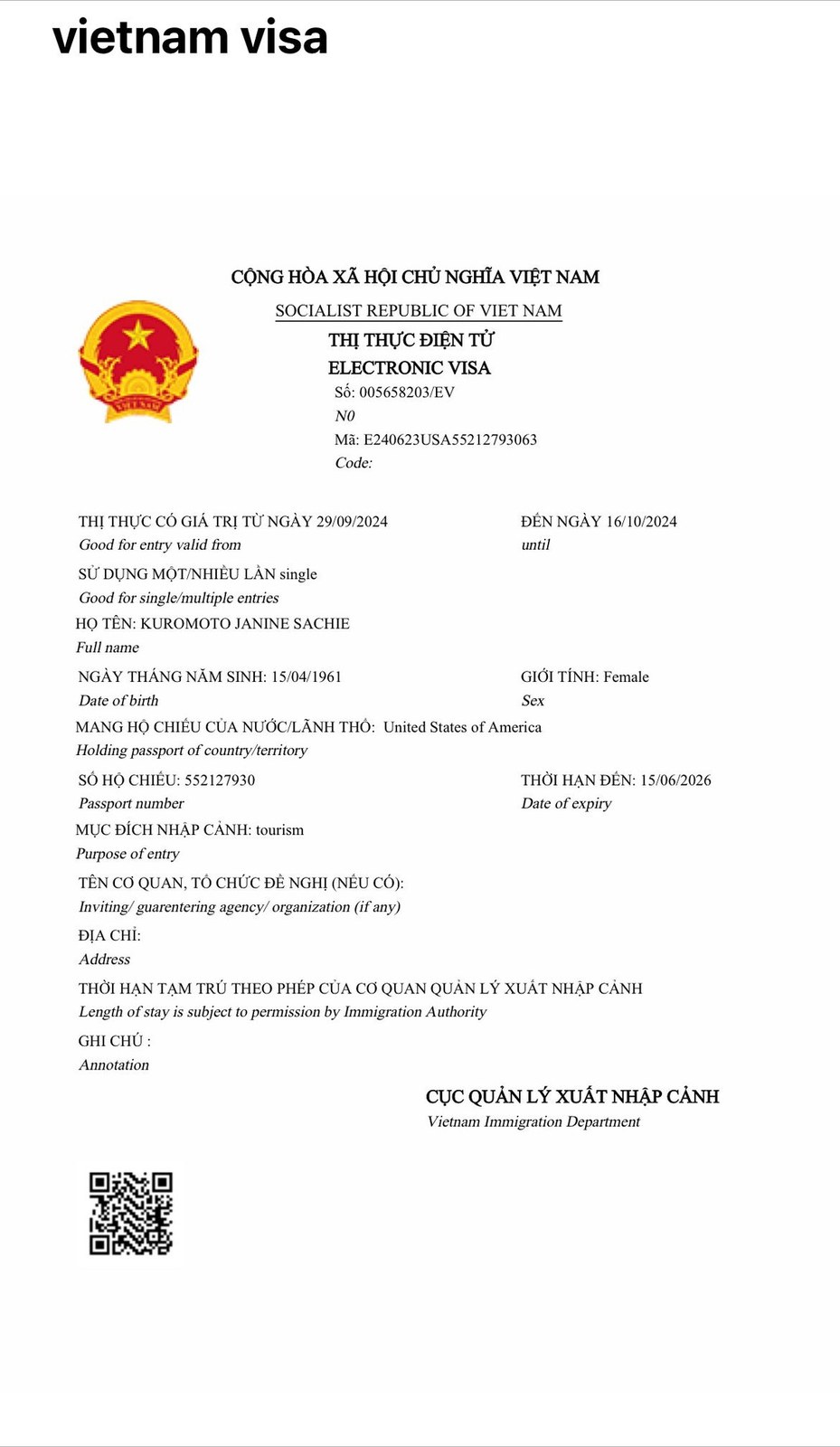
Russian citizens get an official visa exemption for Vietnam: 45 days visa-free per entry, no forms and no fees, just a valid passport. It is set by Resolution 44/NQ-CP and runs through March 2028. Need longer than 45 days? An e-visa covers 90 days for $25 or $50. The tricky part is paying for it when Russian cards are blocked. Here’s what actually works in 2026.
Is the 45-Day Visa Exemption for Russians Official?
Yes. The 45-day visa-free entry for Russian citizens is official, not a promotion or an airline perk. It is written into Vietnamese Resolution 44/NQ-CP, in force since March 2025 and valid through March 2028. “Official” means immigration applies it automatically on arrival: you get 45 days per entry with no application, no fee, and no supporting documents beyond a passport valid 6+ months. The one thing that is not automatic is the number your officer writes into the stamp, which is why the next section matters.
Who Needs a Vietnam Visa and Who Doesn’t
Since March 2025, Russia has a bilateral visa-free agreement with Vietnam: 45 days per stay under Resolution 44/NQ-CP, valid through March 2028. No advance application, no fees. Your passport just needs at least 6 months validity from your entry date.
Airlines may ask for an onward ticket before boarding — Vietnamese customs won’t — but having a cheap refundable booking ready avoids complications.
One thing most guides skip: the border stamp is handwritten. Officers in a rush sometimes write 30 days instead of 45, or occasionally 90. You’re legally bound by the date in your stamp — not the law’s 45-day limit. Check the stamp before stepping away from the counter. If there’s an error, point it out immediately and ask to correct it on the spot.
Kazakhs and Belarusians get 30 days visa-free. Ukrainians need an e-visa for the mainland, though they can stay 30 days on Phu Quoc island without one, if arriving on a direct international flight.
E-Visa: Types, Cost and Processing Time
If you’re planning to stay more than 45 days — or want the freedom to leave and re-enter multiple times — apply at evisa.gov.vn , Vietnam’s official immigration portal.

Two options:
- Single-entry — $25, 90 days, one entry
- Multiple-entry — $50, 90 days, unlimited entries and exits
Processing is 3-5 working days. Documents needed: a colour scan of your passport photo page and a passport-format photo on white background. Travel insurance isn’t required for the application.
The part most people get wrong: your 90-day validity starts from the intended entry date you set during the application — not from when the visa is approved. Set the actual date you plan to enter, otherwise you’re burning days before you even arrive.
How to Apply on evisa.gov.vn: Step-by-Step
- Go to evisa.gov.vn and click “Apply for e-visa”
- Select “Foreigner” and choose Russia as your nationality
- Enter passport details: full name exactly as in the MRZ (the «< lines at the bottom of the passport page), number and expiry date
- Set your intended entry date — this starts your 90-day clock
- Choose single or multiple entry
- Upload your passport scan and passport-format photo
- Pay $25 or $50 by international card
- Wait 3-5 days; download the PDF when approved and print it
If the system returns “provide all information” even on a correctly filled form — that’s a known portal bug. Just resubmit. No extra fee for resubmission.
The e-visa itself is a form you can fill out yourself in twenty minutes. Where I come in is everything after the paperwork — once the visa’s approved and you’re actually planning the trip, I map out the route, sort transfers and hotels on the ground, and write out every stop and cost so your days aren’t guesswork. Message me on Telegram when you’re ready to plan the trip itself.
Payment Workarounds When Russian Cards Fail
The portal accepts Visa, Mastercard and UnionPay — but only from non-Russian banks. Cards issued inside Russia are blocked due to sanctions, even through VPN.
What actually works in 2026:
- Kazakh bank card — Kaspi or Halyk are the most common choice among expats here
- Armenian bank card — Unibank, Ameriabank work reliably
- Ask a friend with a foreign bank account to pay
- Visa agency — they accept rubles and handle the whole application for a $10-20 fee
If a payment fails, don’t retry on the same form — it won’t process. Open a fresh application and start again.
Visa Run vs E-Visa: Strategy for Long-Term Stays
Many expats in Da Nang never bother with an e-visa at all. Every 45 days: a day trip to Cambodia or Laos, a new border entry stamp, and back. No cap on how many times you can do this.
Since 2025, there’s one restriction: you can’t apply for a new e-visa while physically inside Vietnam. The system checks your passport record in the immigration database — VPN doesn’t change anything, it’s not IP-based. You need to be outside the country to apply. Most people solve this by handling the e-visa through an agency before the visa run, then entering on it after the border crossing.
For more on how moving to Vietnam long-term works, we’ve covered the full relocation process including visa strategy from day one.
Overstay Fines: What Actually Happens
Since 2025, overstaying by even one day means land border crossings are closed to you. Airport exit only.
Fine amounts under 2025 regulations:
- 1-15 days over: 500,000–2,000,000 VND (~$20–80), paid at airport departure gate
- 16-29 days: 3,000,000–5,000,000 VND (~$120–200), paid at immigration office
- 30-89 days: up to 15,000,000 VND
- 90+ days: up to 20,000,000 VND (~$800), real blacklist risk
Up to 15 days, you pay at the airport when you leave — low blacklist risk. Beyond 15 days, your passport is held for 3-5 days at the immigration office. The Vietnam overstay process at Lao Bao is worth reading if you’re anywhere near that situation.
Track your entry date from day one. If you notice a mistake in your border stamp — go to the immigration office in the first week, before it becomes an overstay problem.
Questions about visas, long stays, or relocating to Vietnam?
- Telegram @vietnam_samurai for travel picks and route ideas
- Telegram @vietnam_samurai — direct questions on visas, moving, long stays