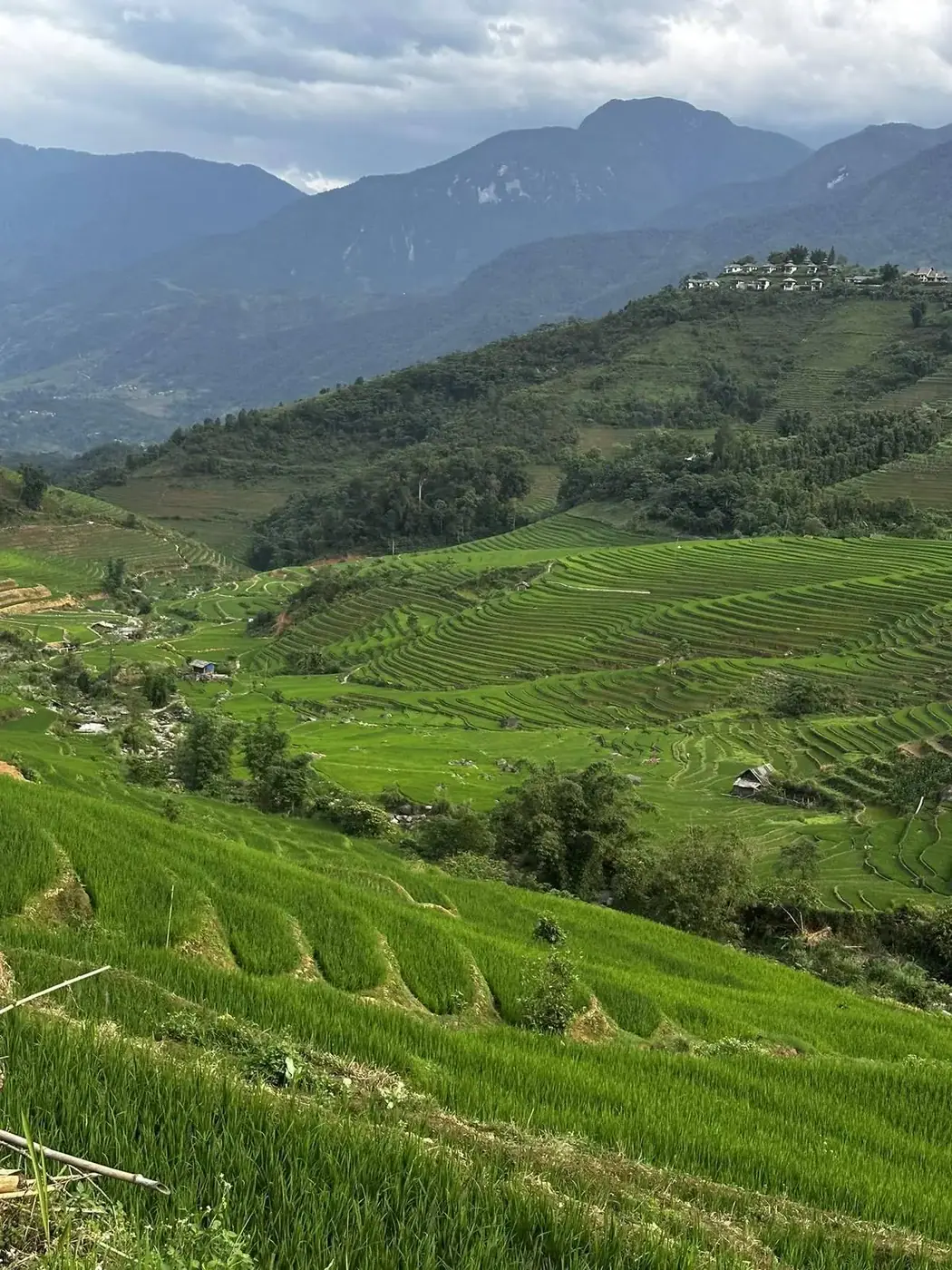
Da Lat and Sapa are Vietnam’s two cool-weather escapes, and they suit different trips: Da Lat (1,500m, southern highlands) stays mild year-round with a dry season from November to March, while Sapa (1,500-1,800m, far north) gets genuinely cold in winter, with January averaging around 9.4°C and occasional frost. If you want easy coffee-shop mornings and a short adventure hit, pick Da Lat. If you want serious trekking through rice terraces and ethnic-minority villages, pick Sapa. One planning note for 2026: Da Lat’s only airport is closed from March through late August, so factor that into which one fits your dates.
Da Lat vs Sapa at a Glance
| Da Lat | Sapa | |
|---|---|---|
| Altitude | ~1,500m | 1,500-1,800m |
| Coldest month | January, ~16.8°C avg, no snow | January, ~9.4°C avg, occasional frost/snow |
| Best months | Nov/Dec-Mar (dry season) | Mar-May and Sep-Nov |
| Signature activity | Datanla Falls canyoning, Langbiang jeep rides | Fansipan cable car, Cat Cat/Ta Van village treks |
| Getting there | Own airport (DLI), closed Mar 4-late Aug 2026 | No airport - train or road via Hanoi |
| Hotel price range | ~$15-32/night mid-range, $55+ luxury | ~$13-30/night mid-range, $55-100+ luxury |
| Vibe | Coffee culture, flower gardens, colonial buildings | Rice terraces, hill-tribe villages, alpine air |

Which Is Colder: Da Lat or Sapa?
Sapa is colder, especially in winter. Da Lat’s coldest month, January, averages around 16.8°C with no snow, while Sapa’s January averages roughly 9.4°C and can bring frost or light snow on the surrounding peaks. Da Lat is nicknamed the “city of eternal spring” for a reason - it barely swings 5 degrees across the year.
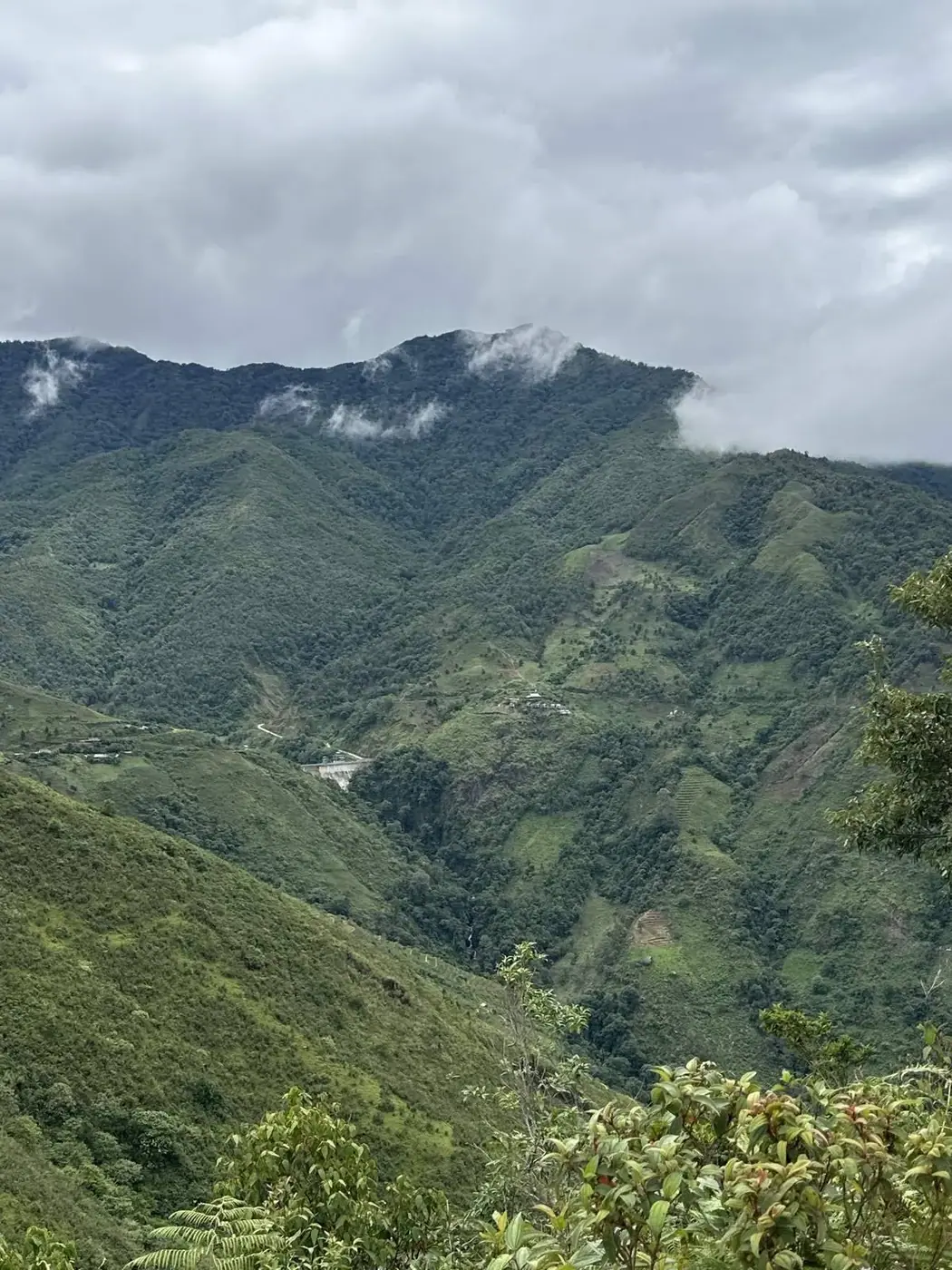
Da Lat’s dry season runs November/December through March, with daytime highs around 25-28°C and cool nights near 15-17°C - genuinely pleasant, not cold in the way people picture “mountain Vietnam.” Sapa’s temperature swings harder: warm-ish summers (July averages ~20.4°C) against a real winter where locals wear down jackets and hotels run space heaters. If you want a jacket-optional trip, Da Lat wins. If you specifically want to feel Vietnam’s only reliably cold weather, Sapa delivers it.
What Da Lat Is Like in 2026
Da Lat reads like a French hill-station crossed with a Vietnamese market town - colonial villas, a central lake (Xuan Huong), flower farms on every hillside, and a coffee scene that punches well above the city’s size. It’s an easy, walkable base: most of what people come for sits within a 20-30 minute drive of the center.
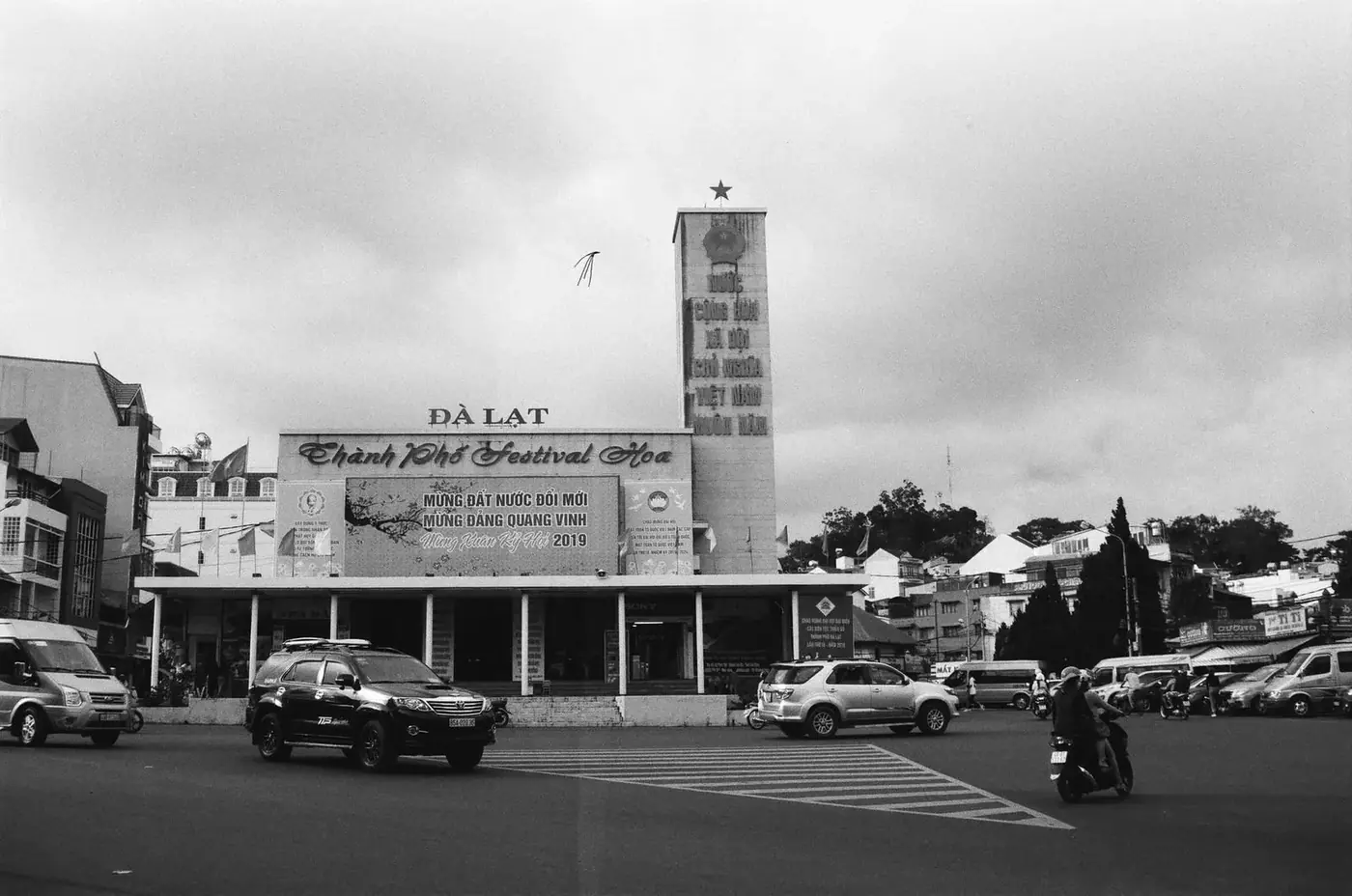
The pace is slower than Sapa’s trekking circuit. You’re more likely to spend a morning at a weasel-coffee farm or the flower gardens than on a multi-hour hike, and evenings center on the night market around Cho Da Lat, the big covered market building downtown. It’s the version of “mountain Vietnam” built for people who want scenery without physical effort.
What Sapa Is Like in 2026
Sapa is built around trekking and hill-tribe culture, not café mornings. The town itself sits on a ridge with rice-terrace views on nearly every side, and the H’mong and Giay communities in the surrounding valleys - not the town center - are the real draw.
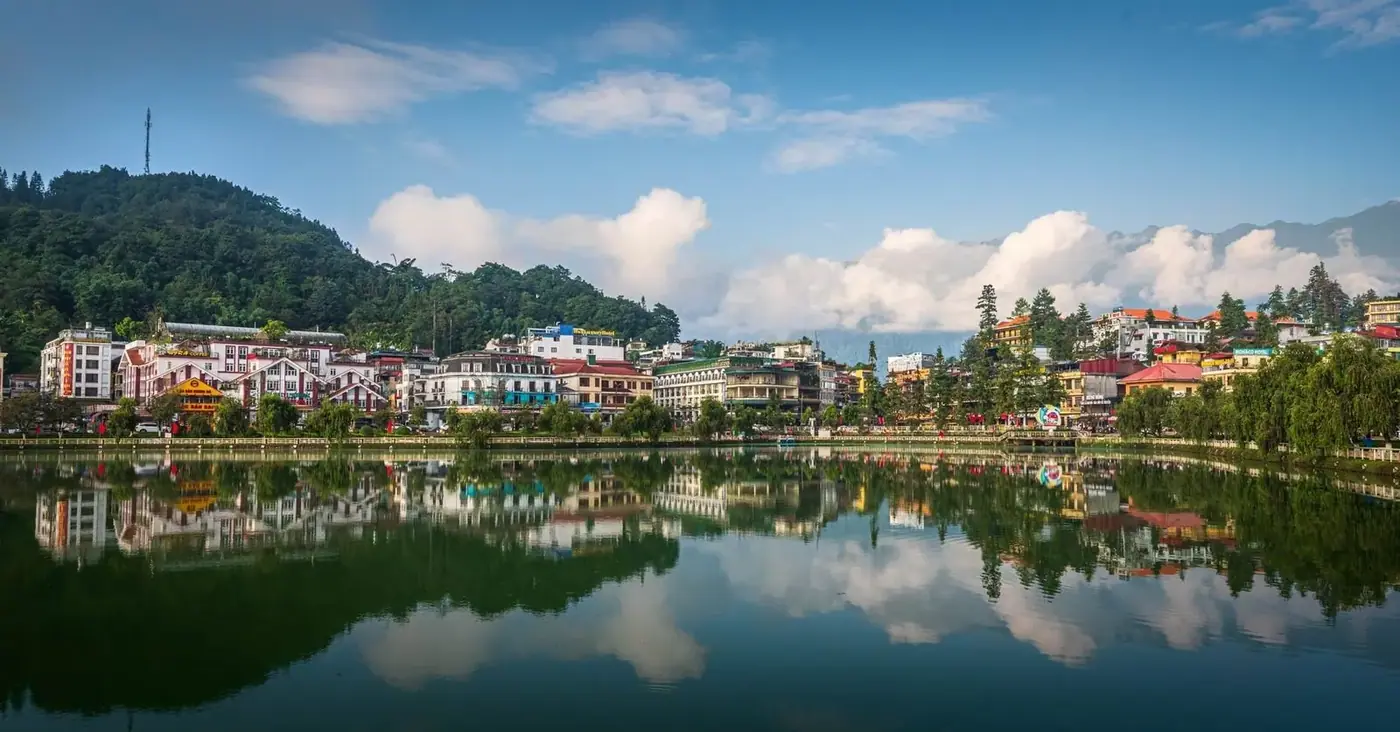
Expect more physical days here: guided treks into the Muong Hoa valley, homestays in villages, and a genuine chance of fog or rain rolling in without warning (pack for it, even in the “good” months). The rice paddies here are farmed, not manicured for photos - that’s part of what makes Sapa feel less staged than Da Lat’s tidy gardens.
Datanla Falls and Langbiang vs Fansipan and Cat Cat
Da Lat’s outdoor activities skew toward short, bookable adventure add-ons. Datanla Falls, just outside town, runs guided canyoning tours (rappelling down roughly 18-25m of waterfall) for about 1,590,000-1,600,000 VND per person, gear and lunch included, with a minimum height requirement of 1.3m. Langbiang, Da Lat’s highest peak at 2,167m, has no summit cable car - you get there by jeep (about 120,000 VND round trip, seats up to 6) or on foot.
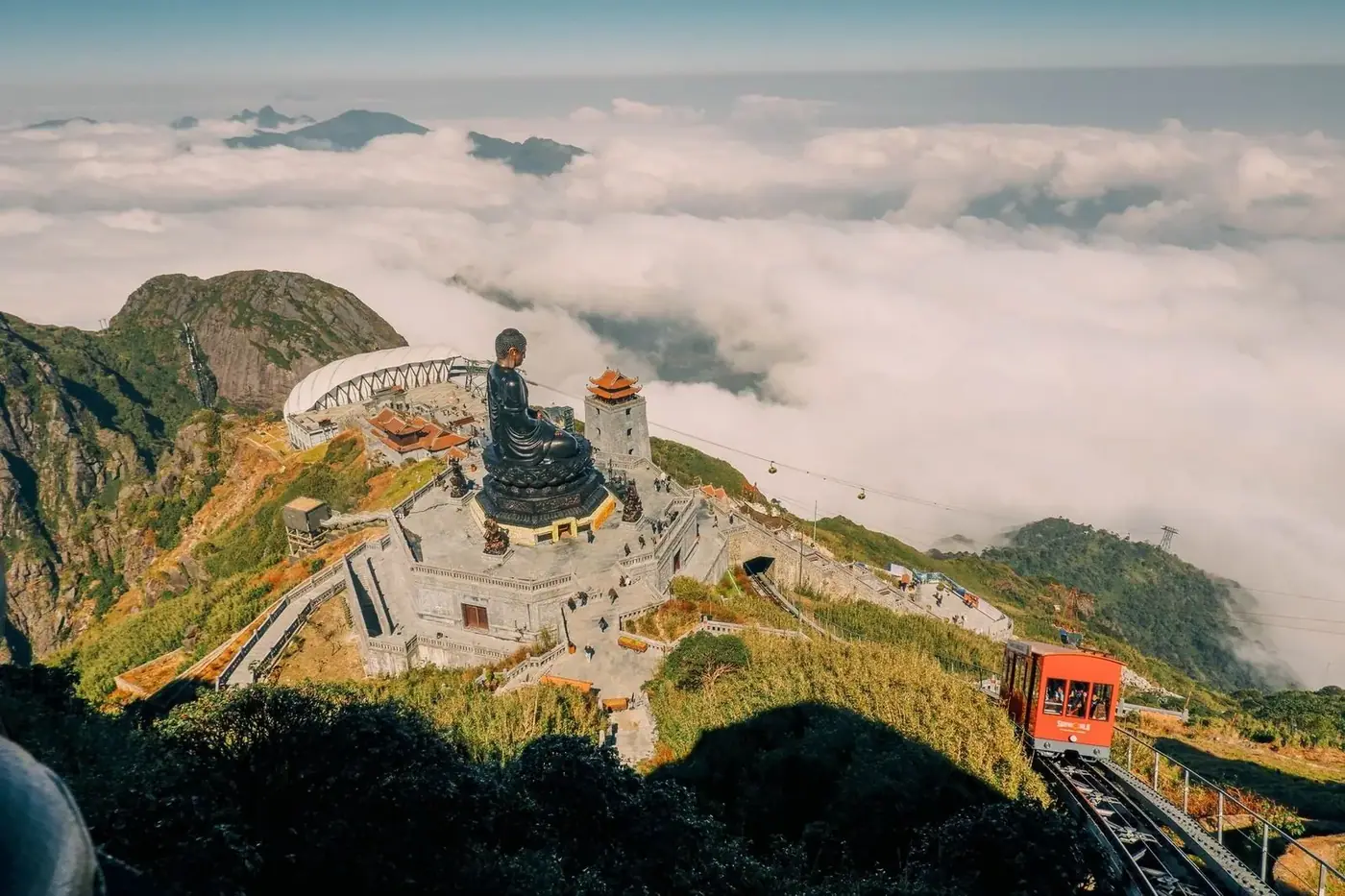
Sapa’s headline activity - and the subject of a full trekking and cable-car breakdown I’ve written separately - is Fansipan, Vietnam’s tallest mountain at 3,143m, reached by the Sun World cable car from a base station near town. A standard round-trip adult ticket runs 850,000 VND; a combo ticket with the funicular and peak rail (skipping roughly 600 summit steps) runs about 1,320,000 VND. Below Fansipan, Cat Cat Village - about 2.5km and a 30-45 minute walk from Sapa town, entrance 150,000 VND - is the easy warm-up trek; travelers who want more distance and an overnight homestay usually push on to Ta Van village instead.
Between the two: Da Lat gives you a bigger adrenaline spike in a shorter window, Sapa gives you more actual trail time and a taller mountain if the cable car counts. This is usually the point where people email me asking which one to actually book - I build custom Vietnam routes for a living, and figuring out whether a trip needs Datanla’s half-day rush or a proper multi-day Sapa trek is exactly the kind of call I make with guests before they buy a single ticket. If you want that conversation instead of guessing, message me on Telegram .
Can You Still Fly Into Da Lat in 2026?
Not between March 4 and roughly late August/early September 2026 - Lien Khuong Airport (DLI), Da Lat’s only airport, is closed for a runway and taxiway reconstruction. The exact reopening date is reported inconsistently across otherwise reliable outlets (late August to September 1), so treat it as a range rather than a fixed day and check flight listings again closer to your trip - see Dalat’s airport closure and how to get there instead for the full breakdown of alternative routes.

During the closure, the standard workaround is flying into Cam Ranh International Airport near Nha Trang - about 160km from Da Lat, roughly a 3-4 hour transfer over the Khanh Le Pass - or into Ho Chi Minh City and taking a 5-8 hour bus or car. A smaller alternative is Buon Ma Thuot Airport, about 200km out, for travelers routing through the Central Highlands by road instead. None of this rules Da Lat out; it just adds a half-day of ground transport that wasn’t there before.
Sapa never had this problem to begin with, because it never had an airport. You fly or bus to Hanoi regardless, then either take the overnight train to Lao Cai (roughly 7-8 hours) followed by a 1-1.5 hour road transfer, or skip the train and drive the whole way in 5-6 hours. If you’re weighing “no direct flight ever” against “no direct flight for six months,” Sapa’s route is at least consistent year-round.
How Do I Choose Between Da Lat and Sapa?
Pick Da Lat if you want mild weather, an easy base, and a short adventure activity rather than a multi-day trek - and if your dates fall outside the March-August 2026 airport closure (or you’re fine with a Cam Ranh transfer). Pick Sapa if trekking and hill-tribe culture matter more to you than convenience, and if you want the one place in Vietnam that reliably feels cold in winter.
Budget shouldn’t decide it for you: hotel costs land close enough (Da Lat roughly $15-55+/night, Sapa roughly $13-55-100+/night) that trip style is the real variable. Book accommodation a few weeks out during Vietnamese holiday periods, especially Tet - both towns fill up fast, and neither is a same-day-booking destination during peak weeks.
Both fit neatly into a longer loop - Sapa slots into my 7-day north route and Da Lat into the 12-day center-south route , if you’d rather not decide alone.
I’ve been running trips through Vietnam’s highlands since 2023, and Da Lat vs Sapa is one of the most common route questions I get from guests planning a longer loop through the country.
Frequently asked questions
Is Da Lat or Sapa better for a first-time visit to Vietnam? Da Lat is the easier first stop - mild weather, walkable center, no logistics puzzle. Sapa rewards travelers who already have a Vietnam trip built around it, usually starting in Hanoi, rather than a standalone weekend.
Does Sapa ever get snow? Occasionally. Sapa’s winter (December-March) brings frost regularly and light snow on higher slopes in unusually cold years - not every season, but it’s the only part of Vietnam where it’s a realistic possibility.
How many days do you need in Da Lat vs Sapa? Da Lat works well as 2 nights given how compact the sights are; Sapa rewards 3 nights minimum once you count the overnight train and the time a real trek into the valley takes.
Is Datanla Falls canyoning safe for beginners? Yes - it’s a guided, gear-supplied activity with a minimum height requirement of 1.3m, and operators run beginner-level routes daily. It’s closer to an adventure-park experience than technical canyoning.
Can I do both Da Lat and Sapa in one Vietnam trip? Yes, but budget travel time - they sit on opposite ends of the country with no direct connection, so most people slot each into a separate leg of a longer route, such as Sapa near a Hanoi start and Da Lat near a Ho Chi Minh City or Nha Trang leg.
Is the Da Lat airport closure affecting hotel and tour prices in 2026? Not meaningfully according to current listings - the closure adds transfer time, not cost, since the Cam Ranh and Ho Chi Minh City routes were already common travel corridors before 2026.