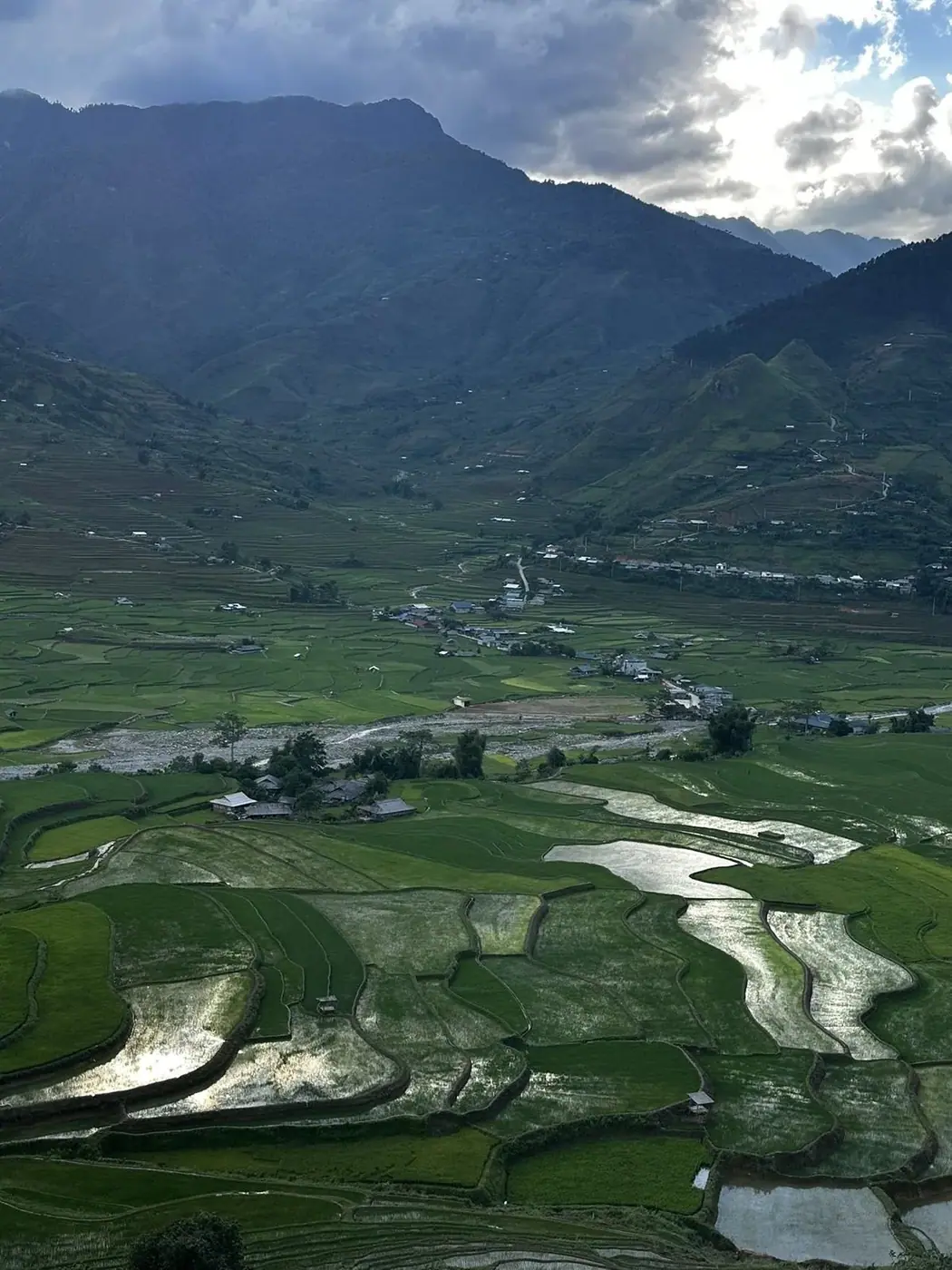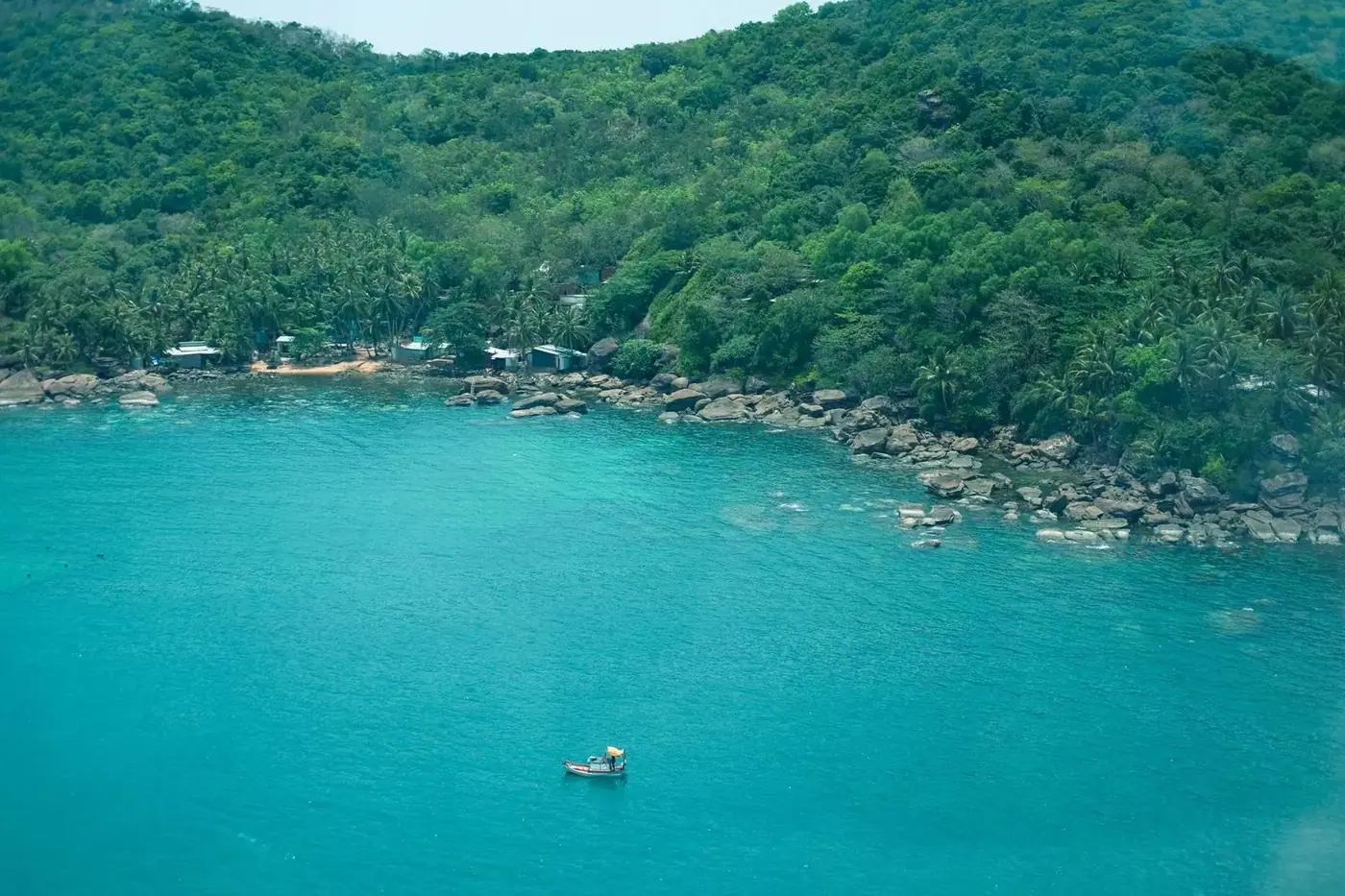
A 3-day independent trip to Da Lat from Nha Trang runs about $135-160 per person, covering a shared private transfer, a mid-range guesthouse, and every waterfall and pagoda entry fee on this itinerary. Transport is the biggest swing factor — split a $70-90 minivan four ways and the whole trip gets noticeably cheaper than the bus-plus-taxi combo.
How Do You Get to Da Lat From Nha Trang or Ho Chi Minh City?
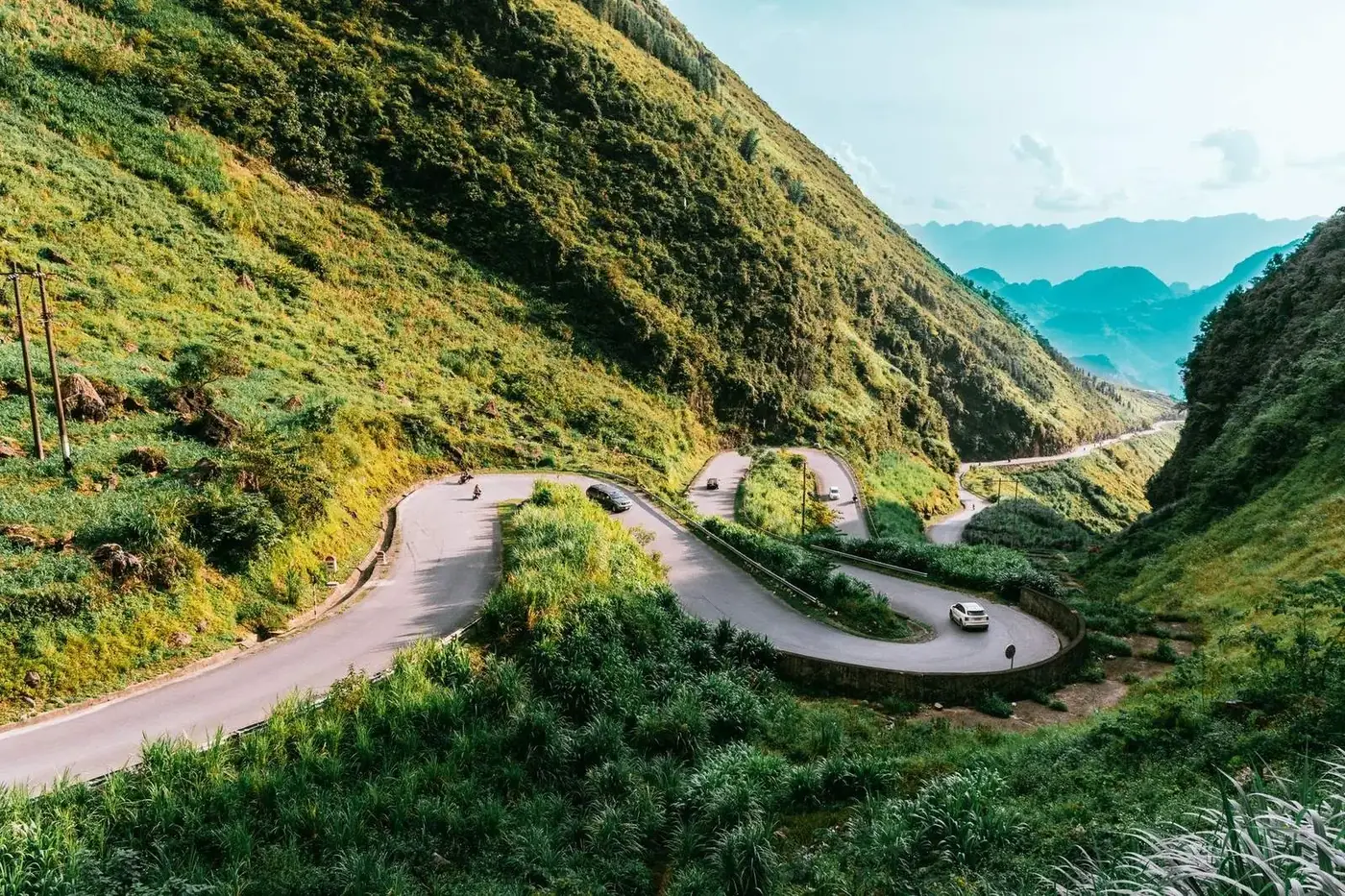
Nha Trang is the closest gateway at around 130 km, and it’s where most independent travelers start - especially in 2026, since Da Lat’s own airport is closed until September and Cam Ranh is the standard workaround . A shared private car runs $70-90 total (2.5-3 hours on a winding mountain road), or you can book a public bus from $8 per person. From Ho Chi Minh City the distance jumps to about 300 km, with buses starting at $13 and taking roughly 8 hours. Check schedules on 12Go Asia before you commit to a route, since departure times from smaller cities like Mui Ne can be limited.
This is the part where the logistics usually go wrong for people planning it alone: bus schedules from smaller towns are inconsistent, and a minivan booked for the wrong headcount either costs more per seat or leaves someone standing at a curb. I match car size to group size and time the pickup to whatever flight or bus is landing first, so nobody’s waiting around a bus station with no plan B.
Day 1: What Should You Do First in Da Lat?
Base yourself near Xuan Huong Lake — it puts the market, cafes, and flower gardens within walking distance, and it’s the easiest area to get oriented on arrival. Skip a packed schedule on day one; the altitude and temperature drop from the coast are enough of a change on their own. Walk the lake loop (about 6 km if you do the whole circuit), grab coffee at one of the local roasters, and save the big sights for tomorrow.

Day 2: Which Waterfall Is Worth the Trip?
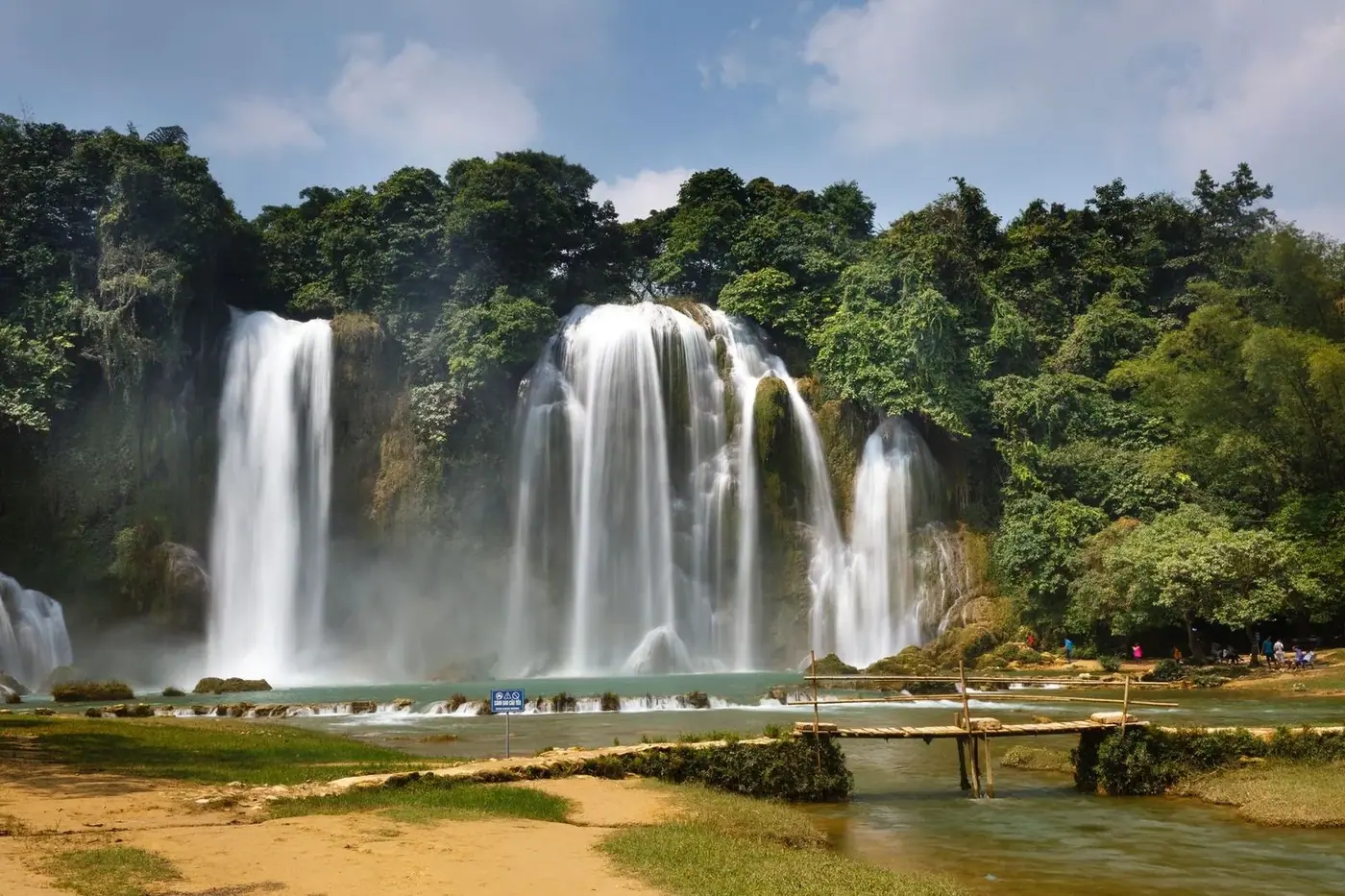
Datanla Waterfall earns the morning slot for its alpine coaster through the jungle — a 15-20 minute descent for around $9 that beats coffee for waking you up. Linh Phuoc Pagoda (free entry) is a short ride away and worth more time than expected: the structure is covered in broken porcelain and glass, with a bell tower and Buddha statues built from flowers. Afternoon is for local specialties — try bò né, a sizzling beef-and-egg dish, before heading back for dinner.
Day 3: What’s Left Before You Head Back?
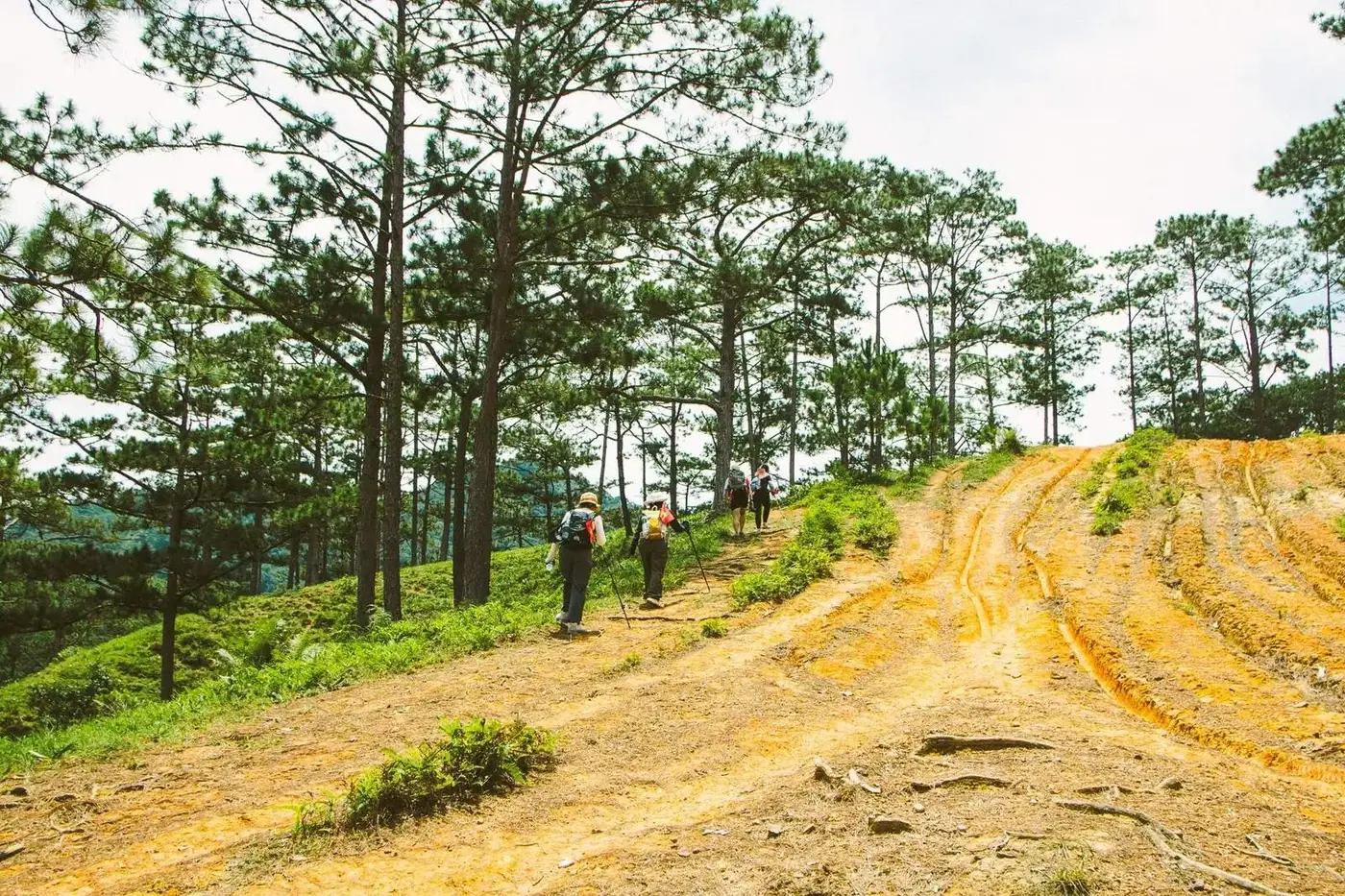
Start early at Crazy House ($3 entry) before the day-tour buses arrive — the narrow staircases and room-to-room layout get crowded fast, and photos are better without a line of tourists behind you. In the afternoon, Valley of Love ($9.50 entry) is where you’ll find Da Lat’s most-photographed monument, set among the same pine-covered hills that surround the whole city; the glass-bottom bridge is an optional add-on ($6) that most travelers say isn’t worth the extra cost. Wrap up with an early dinner and catch your return transfer or bus to Nha Trang.
How Much Does 3 Days in Da Lat Actually Cost?
Budget travelers spend roughly $45-55 a day: $10-15 for transport and local rides, $10-15 on food, $15-20 on attraction entries, and $15-25 for a room. Entry fees stay low across the board — Crazy House is $3, Linh Phuoc Pagoda is free, and the Datanla Waterfall sled ride is $9. The real cost driver is how you get in and out of Da Lat, since it has no direct flights and sits in the mountains, reachable only by road or a connection through Ho Chi Minh City or Hanoi.
Where Should You Stay in Da Lat?
The area around Xuan Huong Lake and the central market has the highest concentration of boutique guesthouses, and rooms there start around $30 a night — a real step up from generic hotel chains, which Da Lat doesn’t really have much of anyway. Book ahead if you’re traveling in peak season; smaller boutique properties fill up faster than you’d expect for a city this size. Da Lat also gets heavy rain through most of summer, and mountain roads on the approach can wash out — locals and recent traveler reports point to February-May as the current best window, worth building your dates around if you have any flexibility.
Planning the transport and lodging logistics for a group is the part that eats the most time — matching car size to headcount, syncing a transfer with a flight landing, keeping drive time between stops reasonable so nobody’s stuck in a van for two extra hours. That’s the piece I usually end up handling once people have picked their dates, and a Da Lat leg slots naturally into a longer route across Vietnam if you have more than three days to spend.
Three days is the number that actually works for Da Lat: two feels rushed once you add the waterfall and Crazy House, and anything longer starts repeating the same cafes and viewpoints. If you’d rather skip planning the transfers and hotel bookings yourself, message me on Telegram and I’ll put together a Da Lat leg around your dates — no fixed package required, just tell me where you’re starting from.