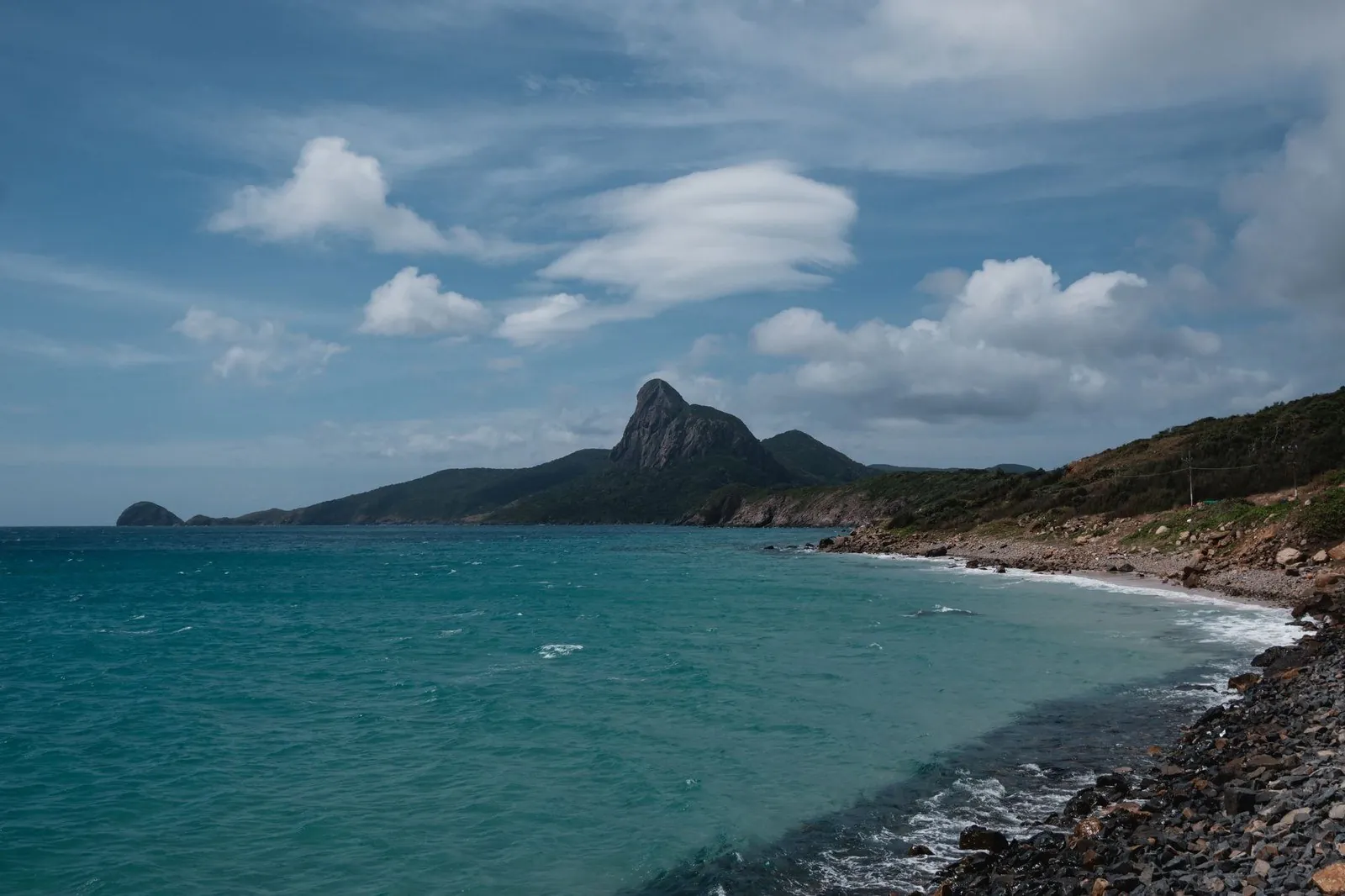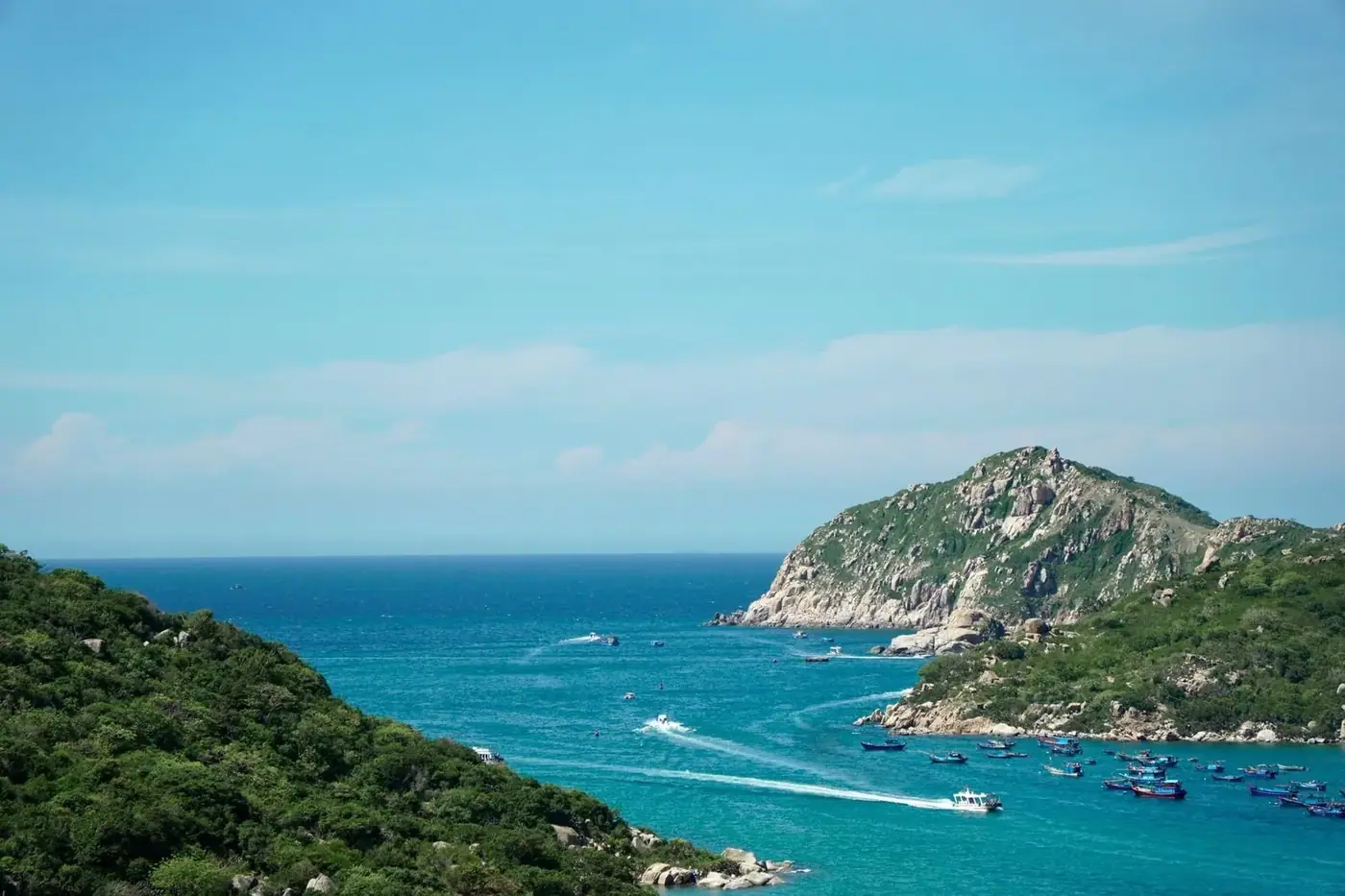
Cu Lao Cham is an 8-island archipelago 20 km east of Hoi An, designated a UNESCO Biosphere Reserve in May 2009 . The reserve contains 947 marine species, including 134 coral species — and the speedboat from Cua Dai Pier takes just 20 to 25 minutes. On arrival you pay 100,000 VND in entrance and conservation fees (70,000 + 30,000 VND), then a guide at Bai Xep beach charges 150,000 VND for a snorkeling session with equipment. There is a formal daily visitor cap of 3,000 people. In Q1 2026, the islands averaged 150 visitors per day.
Is the 3,000-Per-Day Visitor Cap Actually Enforced?
The authorities of Tan Hiep Commune introduced a daily limit of 3,000 tourists after 2019 brought 440,000 annual visitors — an average of over 1,200 per day, with peak days exceeding the cap. The measure was designed to protect the reef ecosystem.
According to Vietnam.vn (Government of Vietnam portal), which quoted Tan Hiep’s People’s Committee Chairwoman, the actual daily average in Q1 2026 was approximately 150 visitors — about 5% of the cap. Post-COVID tourism recovery here has been slow.
In practice: booking ahead matters in July and August, when the cap could theoretically apply. On most days in 2026 you’ll arrive to a nearly empty beach. The limit is enforced through boat quotas, not individual ticketing — no advance reservation system exists for independent visitors.
What Does It Cost to Visit Cham Islands?
| Item | Price | Notes |
|---|---|---|
| Island entrance fee | 70,000 VND (~$2.80) | Per adult; under 1 yr free; under 1.3 m height 50% off |
| Conservation fee | 30,000 VND (~$1.20) | Ecological reserve surcharge, paid at island pier |
| Total reserve fees | 100,000 VND (~$4) | Cash only, on arrival at island |
| Speedboat roundtrip (pre-booked) | 500,000–550,000 VND (~$20–22) | Cua Dai Pier, same-day return |
| Speedboat roundtrip (walk-up pier) | 350,000–400,000 VND | Fewer time slots, weekends sell early |
| Traditional wooden ferry (one-way) | 100,000 VND (~2 hours) | From Bach Dang Pier — scenic but slow |
| Snorkeling guide + equipment (Bai Xep) | 150,000 VND (~$6) | Includes mask, fins, life vest |
| Scuba diving — walk-up | ~800,000 VND (~$32) | PADI Five Star center on-island |
| Full-day dive package (from Hoi An) | $85–95 USD | Transfers, equipment, meals included |
| Sea walking (no certification needed) | ~950,000 VND (~$38) | 3–5 m depth in helmet rig |
| Overnight homestay, Bai Huong | from 120,000 VND (~$5/night) | Community programme, 5 local homes |
| Guesthouses on Hon Lao | 200,000–700,000 VND/double (~$8–28) | Limited availability |
How Do You Get from Hoi An to Cham Islands?
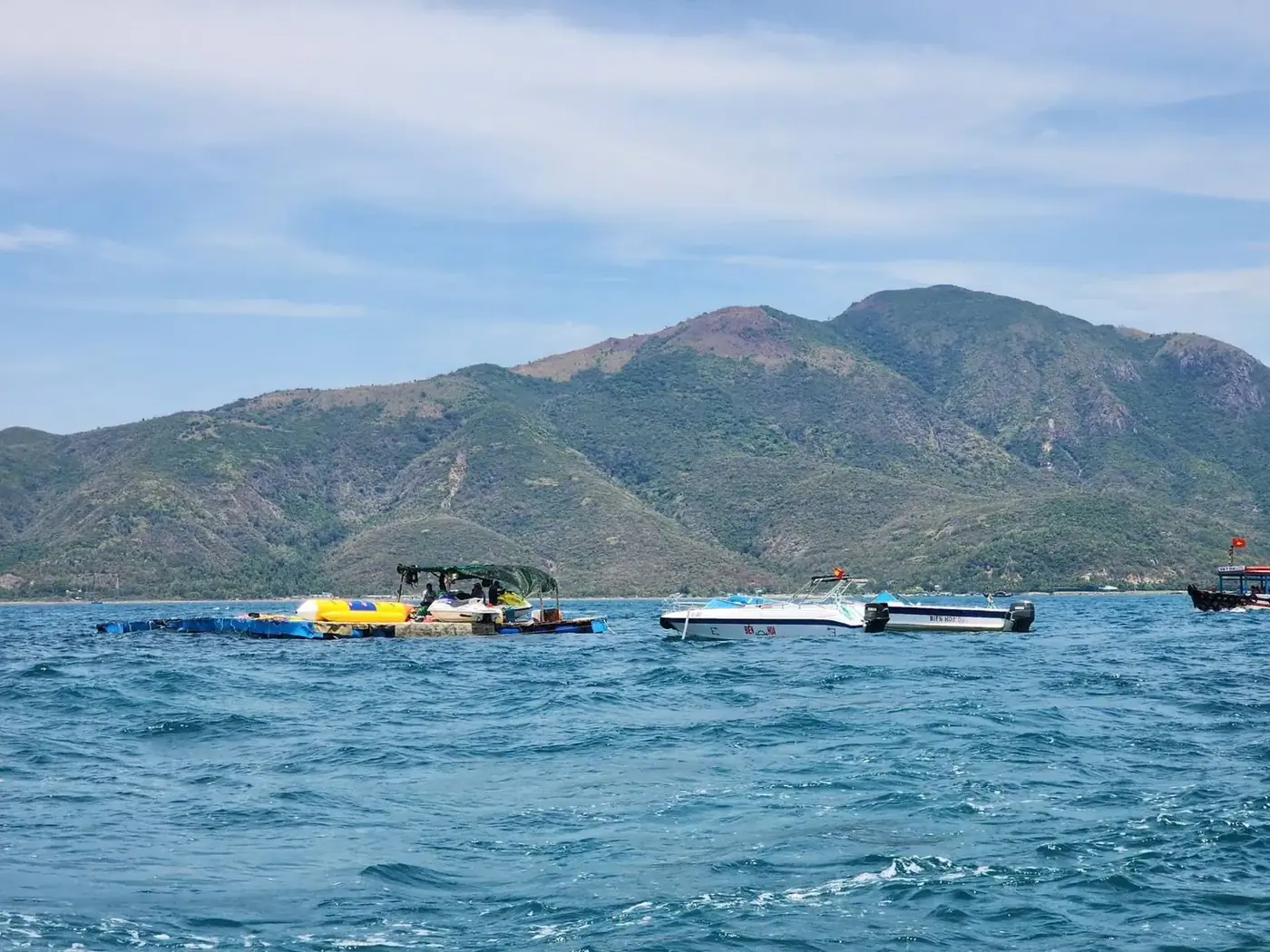
The standard route is a speedboat from Cua Dai Pier — 20 to 25 minutes on the water. Most boats depart at 8:30 AM and return by 2:00 PM, giving roughly five hours on the island. Pre-booked roundtrip tickets run 500,000–550,000 VND; walk-up tickets at the pier are 350,000–400,000 VND but sell out early on weekend mornings.
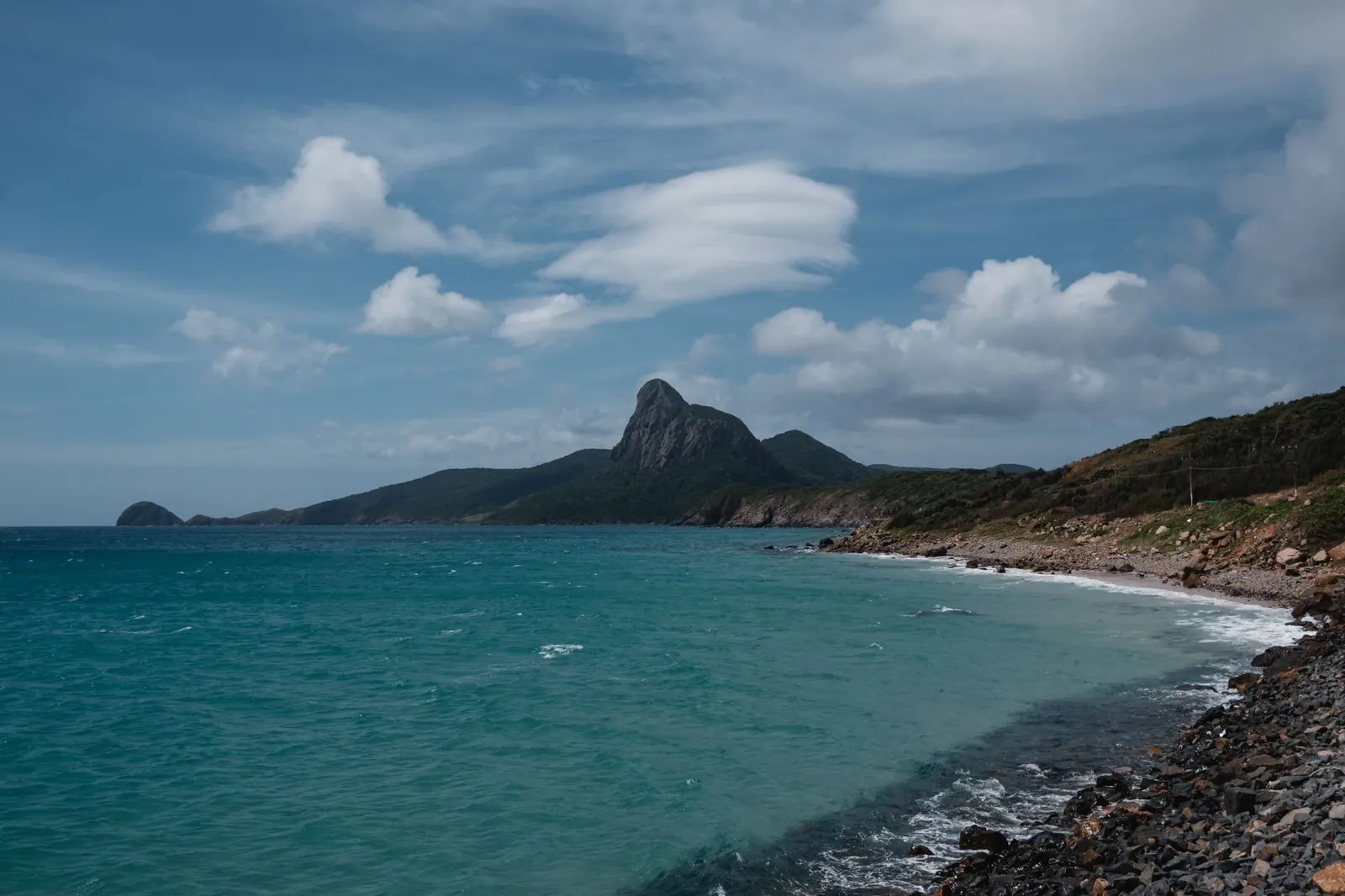
A traditional wooden ferry from Bach Dang Pier costs 100,000 VND one-way but takes two full hours each direction. That’s four hours of transit for five hours on the island — not recommended unless you’re staying overnight.
For full day-trip logistics including timing with other Central Vietnam stops, see our guide to best day trips from Hoi An 2026 .
Where Are the Best Snorkeling Spots?
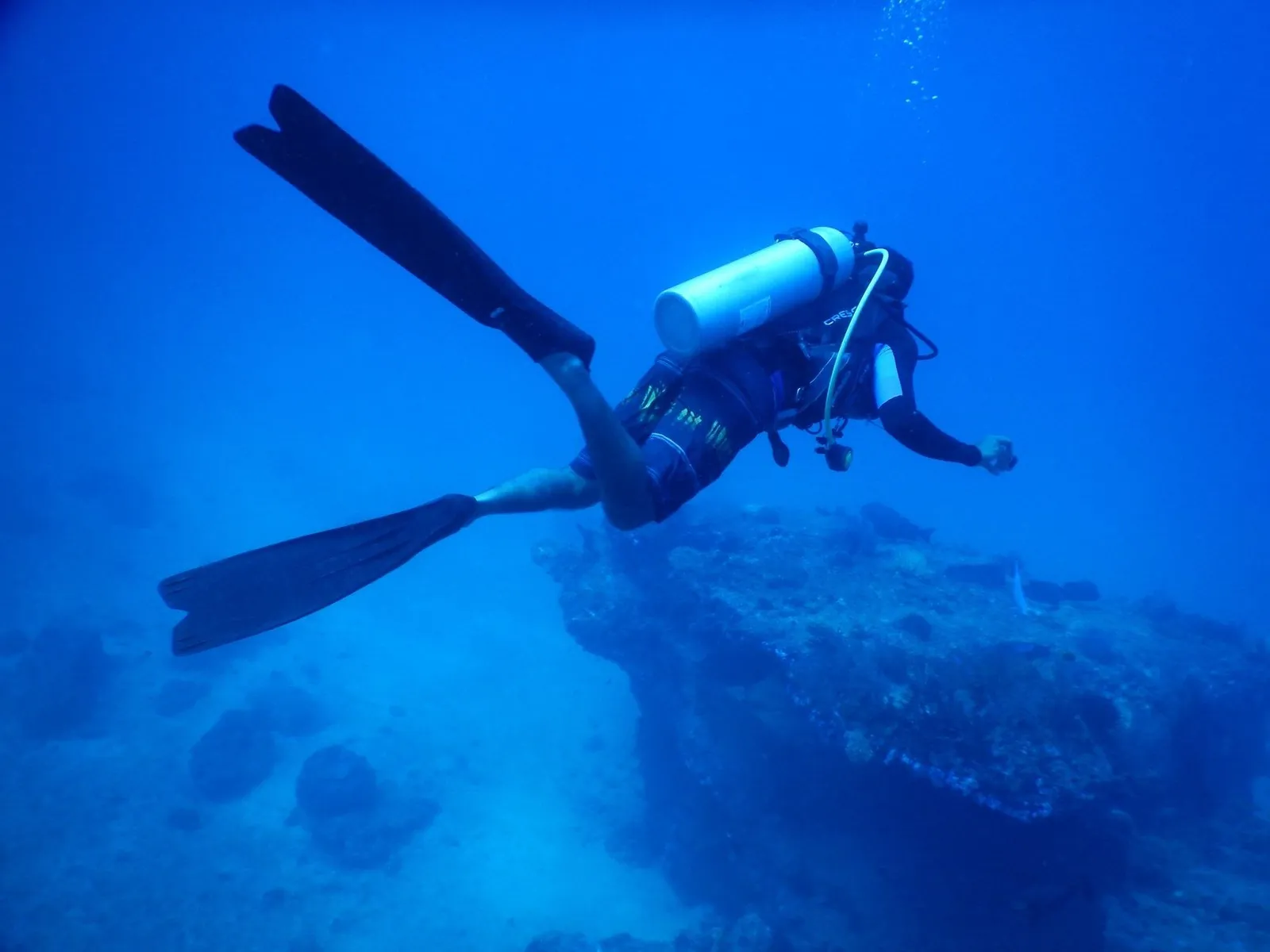
Bai Xep, on the southern side of Hon Lao, is the main beginner-friendly entry point — nicknamed the “coral beach.” Reef begins just 10 to 30 metres from shore at 2 to 4 metres depth, and the 150,000 VND guide fee covers equipment and a guided session. Visibility peaks June through August, reaching up to 25 metres.
Other snorkeling sites across the archipelago:
- Hon Nhon — crystal-clear visibility, minimal depth, good for first-timers
- Hon Tai — deeper with larger fish including moray eels; better for confident swimmers
- Hon Dai — least visited, thriving coral with minimal tourist pressure
If you’re joining a full-day tour from Hoi An, snorkeling stops at two sites are typically included in the package price.
What Marine Life Can You See Underwater?
According to UNESCO’s official Biosphere Reserve data, Cu Lao Cham contains 947 marine species: 178 fish species, 134 coral species, 122 seaweed species, 144 shellfish species, and 25 crustacean species. Endangered humphead wrasse and bumphead parrotfish have been recorded here.
At snorkeling depth (2–4 m at Bai Xep), expect healthy staghorn and brain corals, schools of sergeant-major fish, and parrotfish. Sea turtles are more reliably seen by divers at greater depth, but occasionally pass through snorkeling zones. Marine life density here is noticeably higher than at the more heavily visited Nha Trang reefs.
Travel sites sometimes cite 270+ coral species and 250+ fish species — those figures are inconsistent with the 2024 UNESCO survey of 134 coral and 178 fish species. Use the UNESCO figures when citing.
For a full breakdown of where Central Vietnam diving and snorkeling rates against other regions, see best diving and snorkeling spots in Vietnam 2026 .
Should You Snorkel or Dive at Cham Islands?
Cham Islands is one of Central Vietnam’s few worthwhile scuba diving destinations. The main operator is Cham Island Diving Center (CIDC), a PADI Five Star certified center with 20+ years on the water. Dive sites near Hon Dai reach 23 to 32 metres depth with water temperature 21 to 27°C — a meaningful step up from snorkeling at Bai Xep.
On-island walk-up diving costs ~800,000 VND (~$32) per dive. A full-day certified fun-dive package from Hoi An — including transfers, equipment, and meals — runs $85 to $95 USD through CIDC.
Sea walking (helmet diving, no certification needed) is available at approximately 950,000 VND (~$38) and puts you at 3 to 5 metres in a helmet rig — the accessible middle option between surface snorkeling and full scuba.
Beginners and non-swimmers: snorkeling at Bai Xep with a guide is the right choice. You’ll see healthy coral and plenty of fish without certification or experience.
Can You Stay Overnight on Cham Islands?
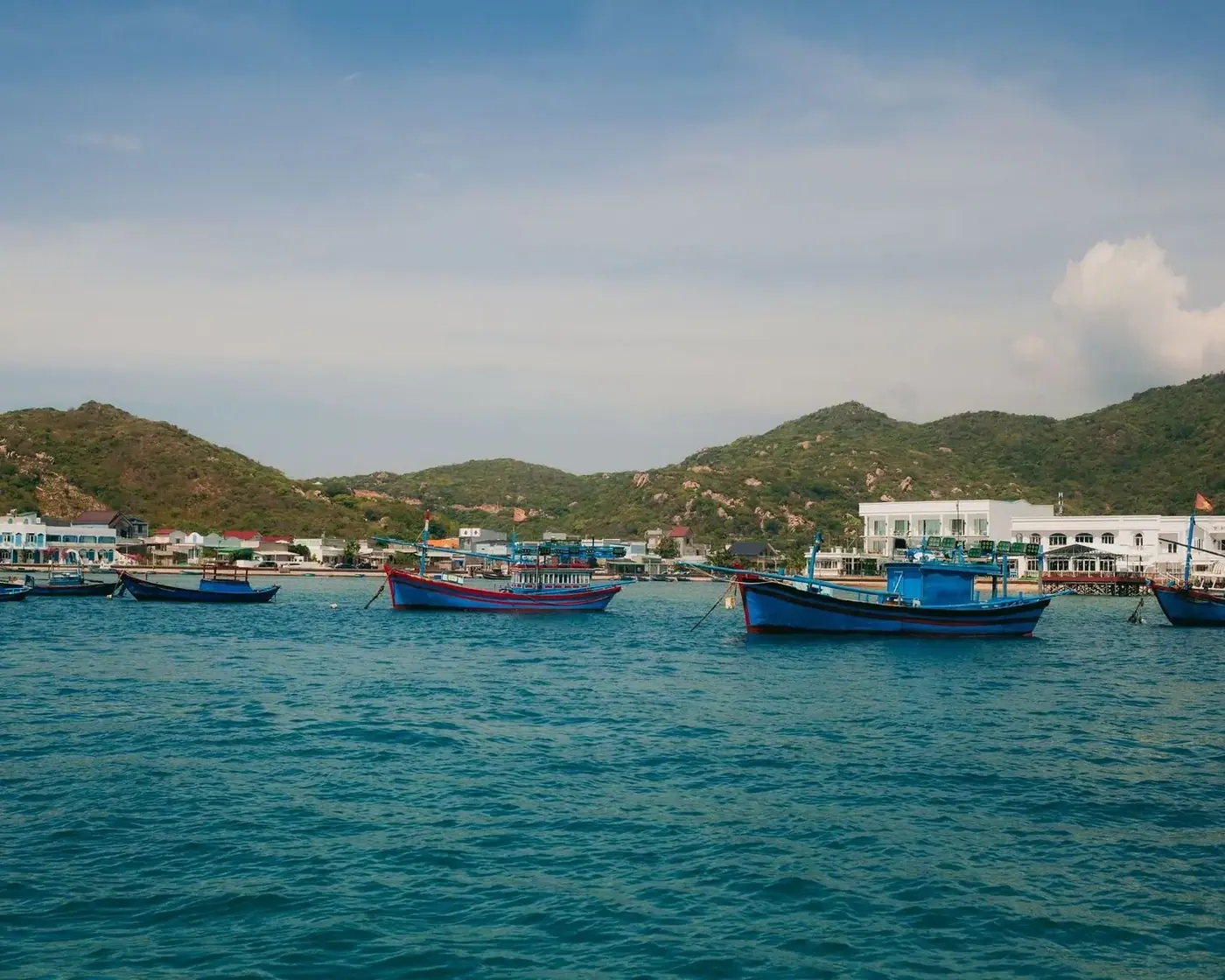
Yes — and it’s the best-kept practical secret about Cu Lao Cham. Standard boats collect everyone by 2:00 PM, which means the island empties completely. Staying overnight gives you the reef to yourself at sunrise.
Bai Huong fishing hamlet has a community homestay programme (established by a Swiss development organisation) with 5 participating local homes. Rates start at around 120,000 VND (~$5) per person per night. Other guesthouses and small bungalows on Hon Lao charge 200,000 to 700,000 VND for a double room (~$8–28 USD).
Restaurants in Bai Lang and Bai Huong serve fresh seafood caught that morning. Book accommodation in advance May through September — call through your tour operator or ask at Bai Huong pier.
When Is the Island Open — and When Should You Avoid It?
The tourist season runs March through September. October through February, speedboats are suspended due to typhoons and rough seas. Even within the open season, departures cancel on short notice when conditions deteriorate.
Best time for snorkeling: June to August, when visibility reaches 25 metres and the sea is consistently calm. May and early June offer a good balance of clear water and lower crowds.
Avoid late September: the tourist season is technically still open but typhoon activity peaks across central Vietnam during September–October. Service may be suspended for several days at a stretch without advance warning.
If you’re deciding which city to use as a base for Central Vietnam day trips, our comparison of Hoi An vs Hue vs Da Nang covers logistics, cost, and what you can reach radially from each.
Frequently asked questions
Is it worth visiting Cham Islands from Hoi An for a day trip? Yes, if you go March through September. The speedboat takes 20–25 minutes from Cua Dai Pier, reserve fees total 100,000 VND (~$4), and a guided snorkeling session at Bai Xep costs 150,000 VND including equipment. The reef is healthier and less crowded than Nha Trang equivalents.
What is the best time to snorkel at Cham Islands? June through August for visibility up to 25 metres and calm seas. May and early June are also good with fewer visitors. Avoid October through February — boats are suspended due to typhoons.
How much does it cost to visit Cham Islands from Hoi An? Budget around 750,000 VND for a self-planned day: 500,000 VND speedboat roundtrip + 100,000 VND reserve fees + 150,000 VND for snorkeling with guide and equipment. Tour packages from Hoi An including boat, snorkeling, and lunch run $25–40 USD per person.
Can you stay overnight on Cham Islands? Yes. The Bai Huong community homestay programme starts at 120,000 VND (~$5 USD) per person per night. Other guesthouses on Hon Lao charge 200,000–700,000 VND for a double room. Overnight guests get the reef to themselves at sunrise.
Is snorkeling at Cham Islands suitable for beginners? Bai Xep beach is beginner-friendly: coral starts 10–30 metres from shore at just 2–4 metres depth, and 150,000 VND buys a guided session with mask, fins, and life vest. Non-swimmers can join with a vest.
Are the Cham Islands open year round? No. Boats operate March through September. October through February, service is suspended due to typhoon season and rough seas. Departures can be cancelled on short notice even within the open season.
Sorting out timing for a Central Vietnam trip that includes Cham Islands? Our team at Samurai Tour runs tours through Hoi An and can advise on the right boat operator and snorkeling conditions for your dates. Message us on Telegram — we respond within the day.