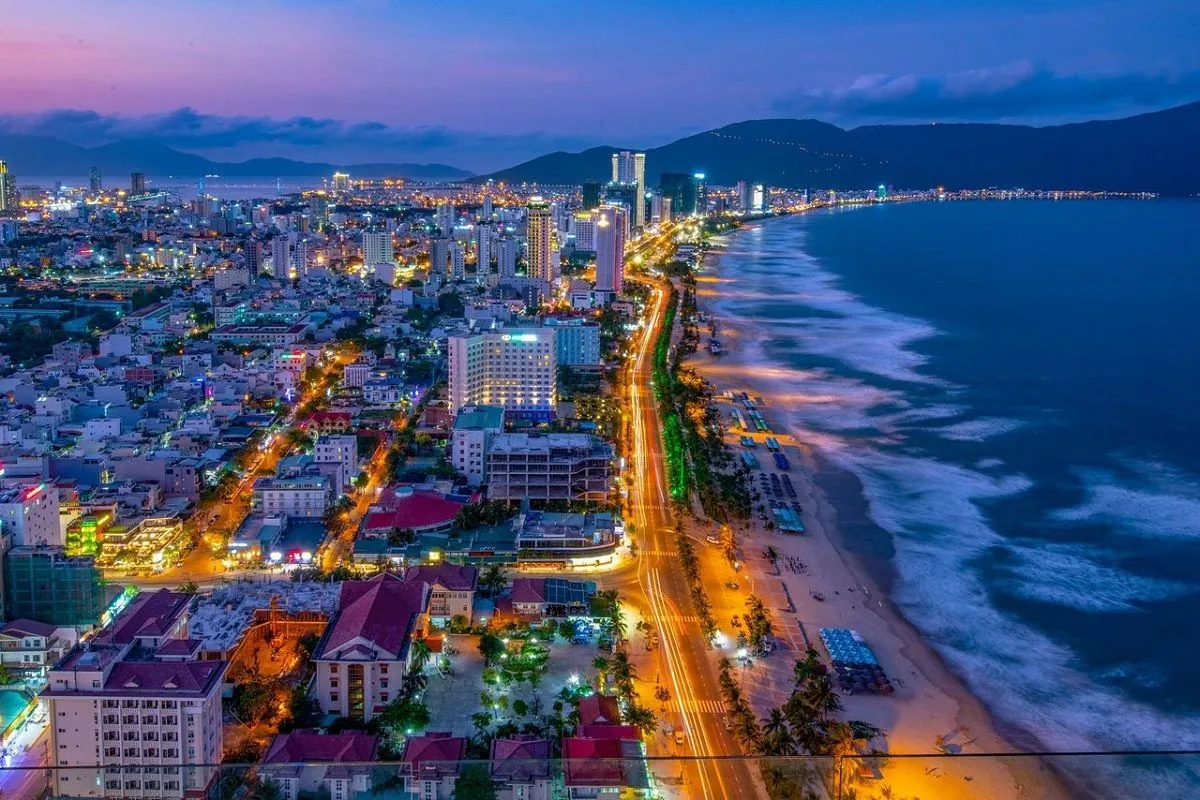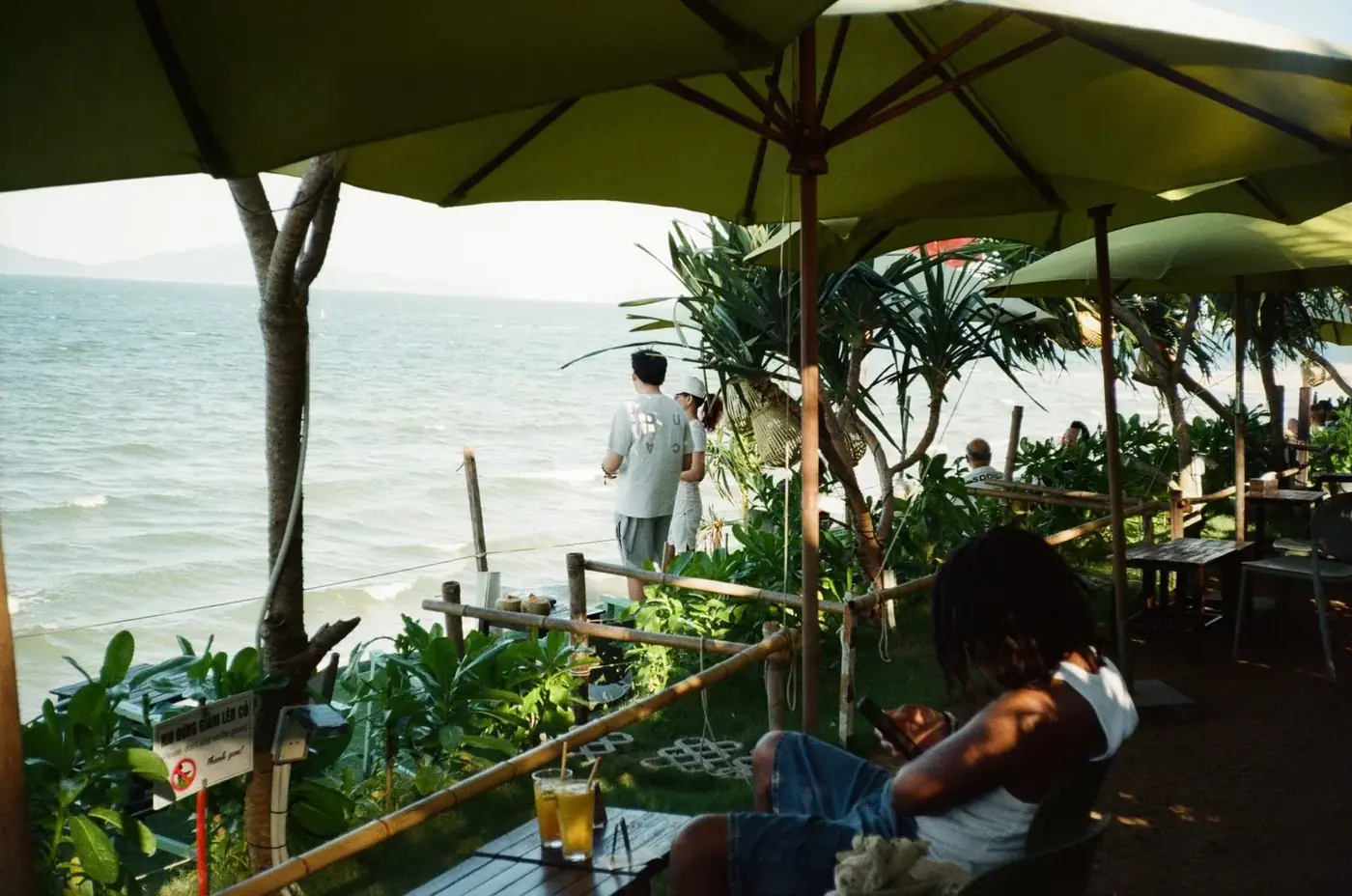
A long-stay traveler can live comfortably in Vietnam on $700–1,000 a month in 2026, and slip under $250 a week once you stop paying nightly rates and rent by the month instead. I’ve based myself here on and off for years, and the budget that actually works looks nothing like the “Vietnam is $500 a month” headlines.
The trick isn’t being frugal. It’s that almost every cost falls the longer you stay — rent, transport, even how often you end up eating out.
Why your weekly burn drops the longer you stay
Your first week is always the priciest one: hotels, an airport taxi, every meal at a tourist cafe. By week three you’ve got a monthly room, a rented scooter, and two or three local lunch spots you trust — and your daily spend roughly halves. To put numbers on it, my first week here might run $350, while the same week a month in costs me closer to $180, and nothing about my life got worse. Plan that first week at tourist prices, and treat everything after as a pleasant surprise.
Renting a room by the month, not the night
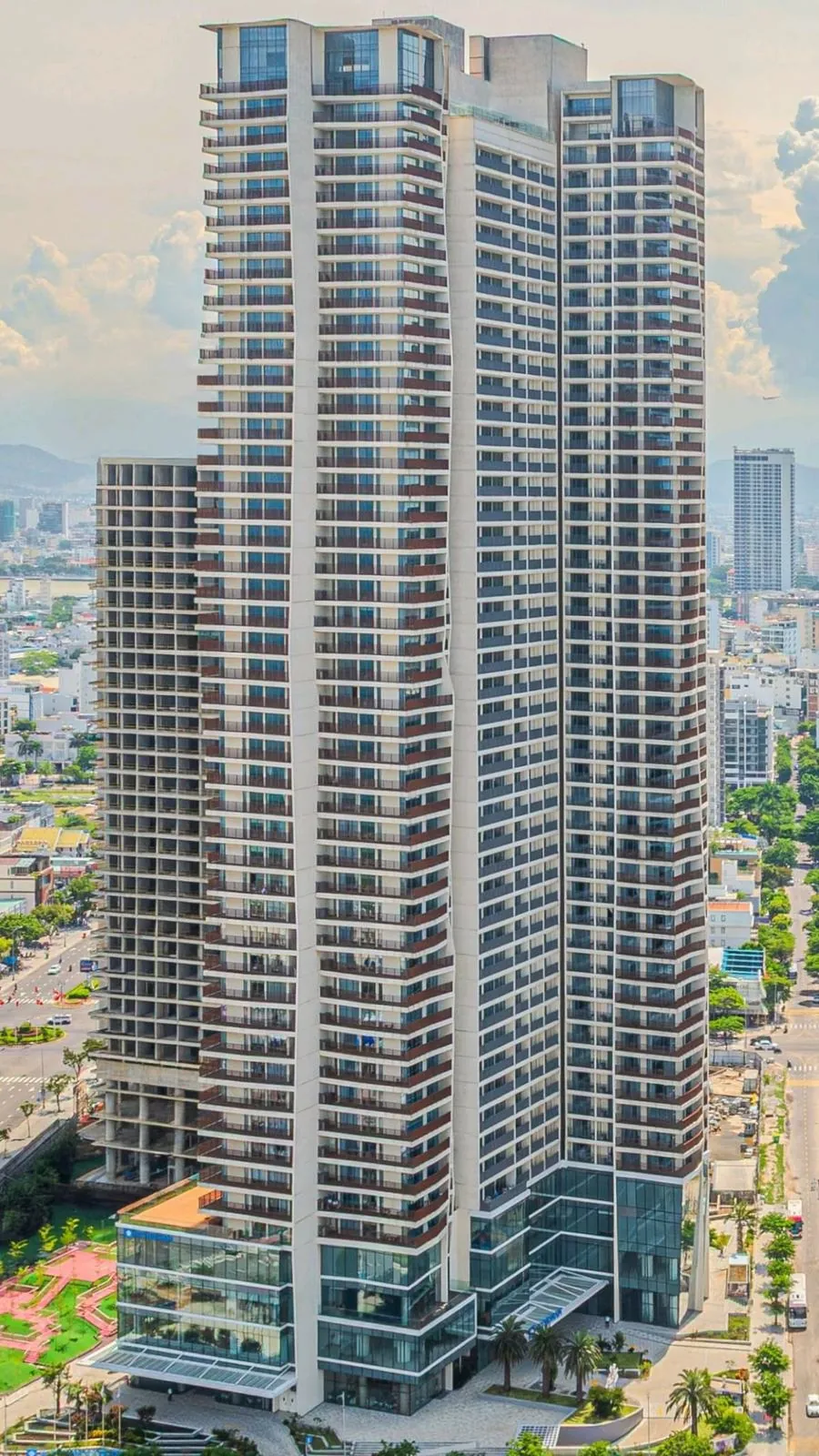
This is where the budget is won or lost. A nightly guesthouse runs $20–35, while the same kind of studio on a monthly contract starts around $250 in Da Nang or Nha Trang and $300 in Ho Chi Minh City. Serviced apartments with a pool and a real kitchen sit at $400–700 depending on the city. Run the air-con through summer and electricity adds another $30–50. Landlords still want the deposit and monthly rent in cash, so once you’re staying long enough to sign a contract it pays to sort a local account early — which bank actually works for foreigners comes down to your visa length.
Costing a long stay on paper is one thing; the runaround of visas, extensions and a first lease is where the month actually gets expensive. This is the part I handle for new arrivals — lining up the visa, pointing you at neighborhoods that fit the budget you just read, and sitting in on the first apartment viewings. Message me on Telegram with your timeline and I’ll sketch what the first six months really cost.
Eating local vs. eating like a tourist
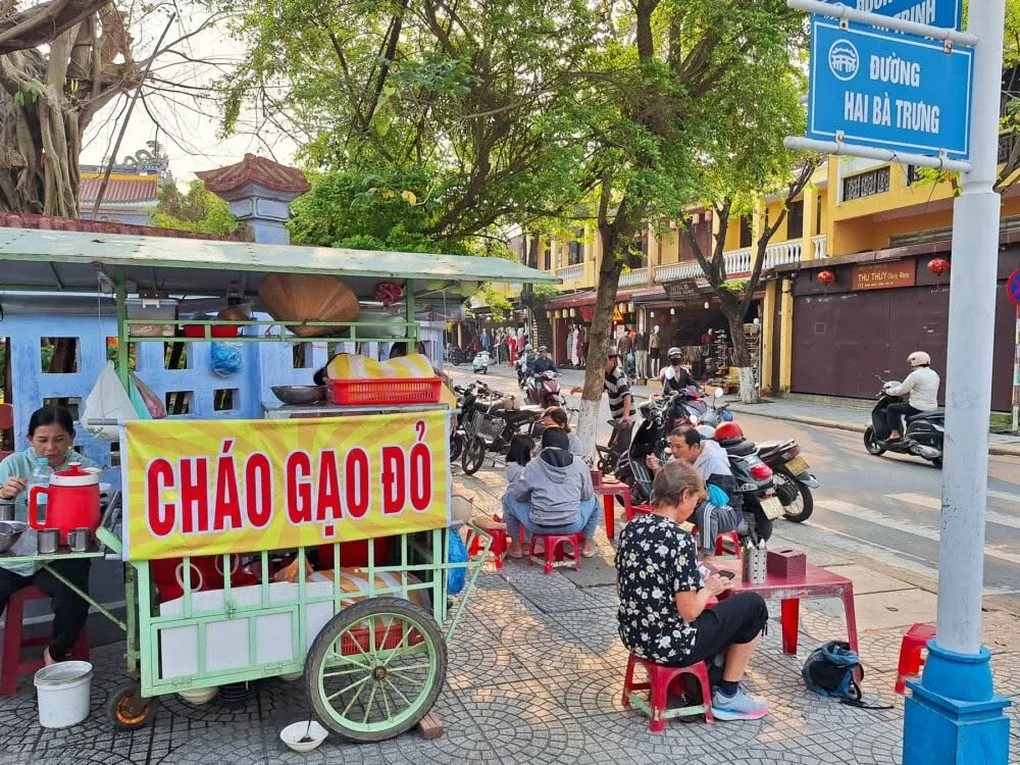
Food is the one bill your lifestyle sets, not the country. A bowl at a street spot is a little over a dollar, an expat-cafe meal is $4–8, and a Western restaurant night resets you to European prices. Stay mostly local and groceries plus eating out land around $150–400 a month. Meat and cheese in the supermarket cost more than you’d guess, while produce and street food are almost free.
Getting around on two wheels
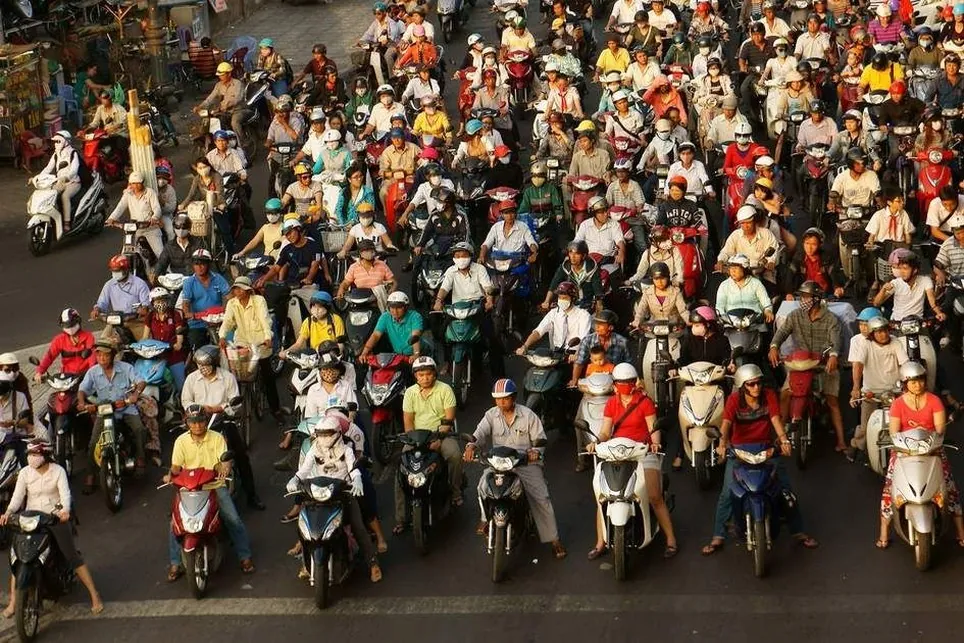
A rented scooter is $70 or so a month and turns a sprawling city into a ten-minute hop. Don’t want to ride? Grab and inDrive cover most trips for $1–2, and petrol sits just under a dollar a litre. Skip car rental entirely — you won’t need it, and parking a car here is its own headache.
The small monthly bills nobody mentions
The quiet line items are what blow the plan. A local SIM with data from $5 (and if you head past the cities, coverage matters far more than the price ), a gym at $10–30, the $5 massage that becomes a weekly habit, a clinic visit from $5 if something goes sideways. None of it is expensive alone, but together it’s the gap between the budget you wrote down and the statement you actually get.
What I’d cut first to save money
If I had to shave $200 off a month without feeling it, I’d do three things: move one neighborhood back from the beach or the center, swap two restaurant dinners a week for street food, and rent the scooter monthly instead of by the week. None of it changes the trip — it just stops the slow leak. The single biggest lever is always the room, so that’s where I’d negotiate hardest on a longer contract.
A realistic monthly budget
Put it together and a comfortable long-stay month looks like this: room $300–500, food $250, transport $80, bills and extras $120 — call it $750–950 in Da Nang or Nha Trang, and $900–1,100 in Saigon. Tighten the room and eat local, and you’re closer to $600. Go out often, and it climbs quickly. The number is yours to set, not the country’s.
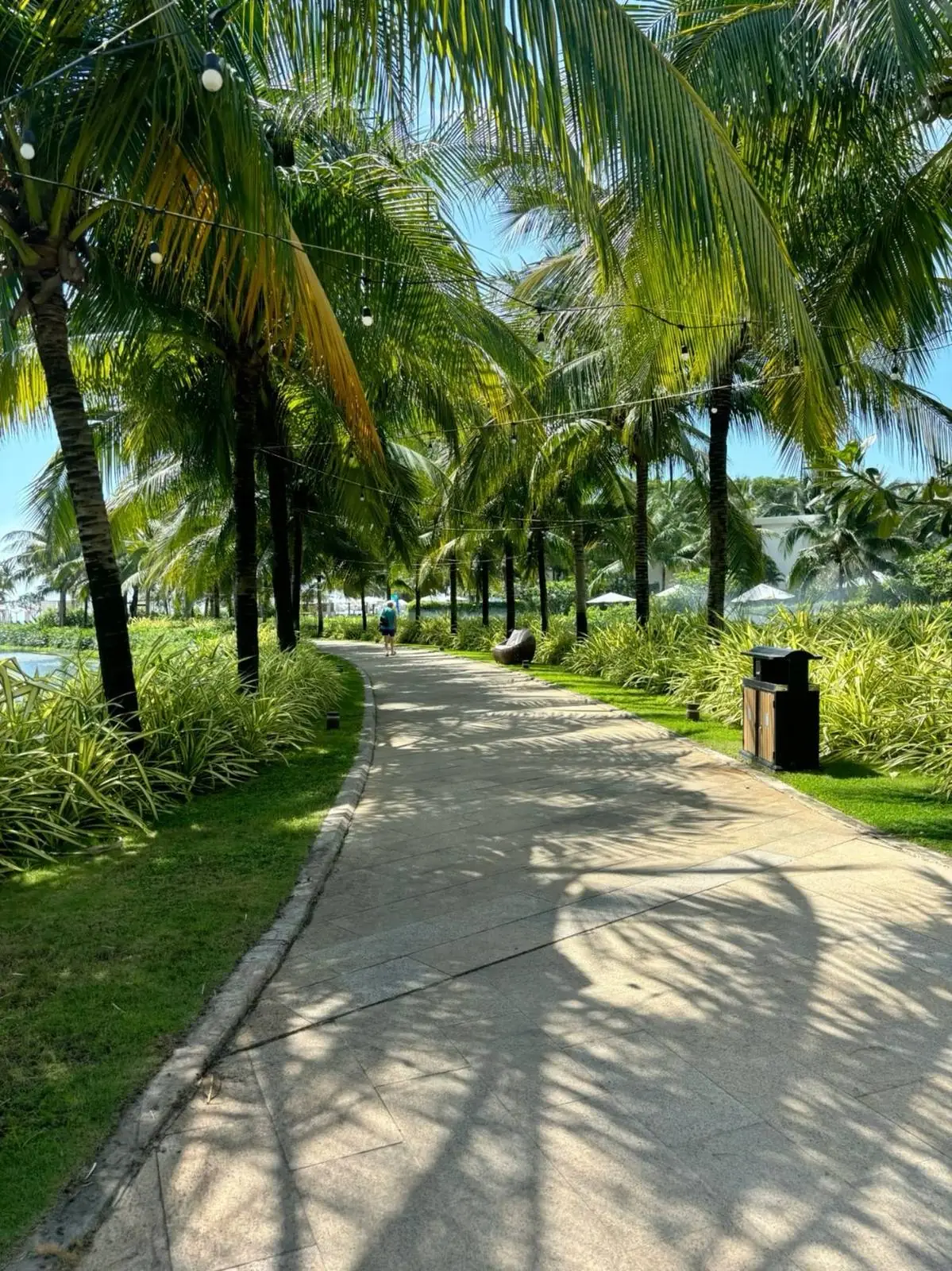
If you’re only passing through before deciding whether to stay, my Vietnam trip itineraries are built around the same three cities and give you a faster read on daily costs before you commit to a lease.
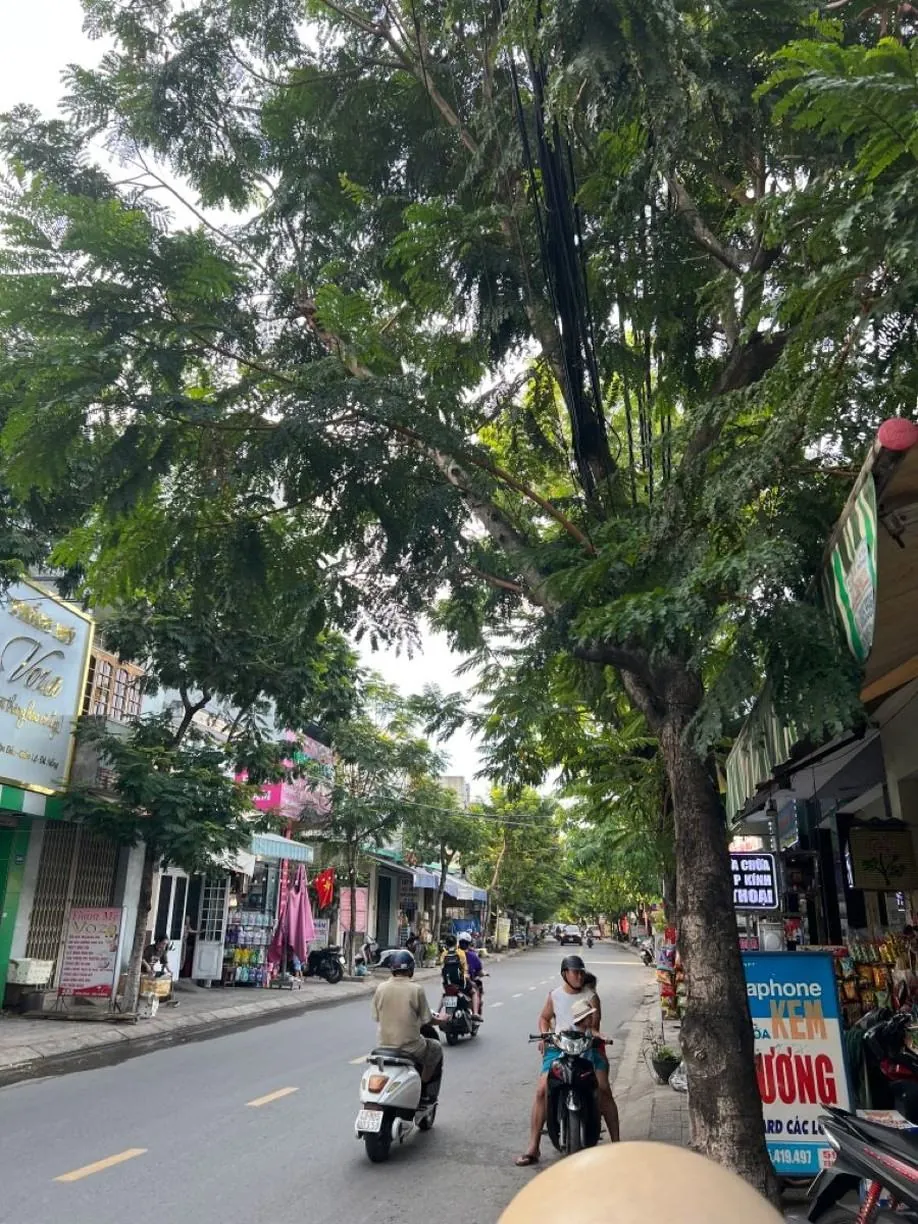
Staying a while and want a hand getting set up?
- Telegram @vietnam_samurai — message us directly about visas, long stays, and Vietnam in general.