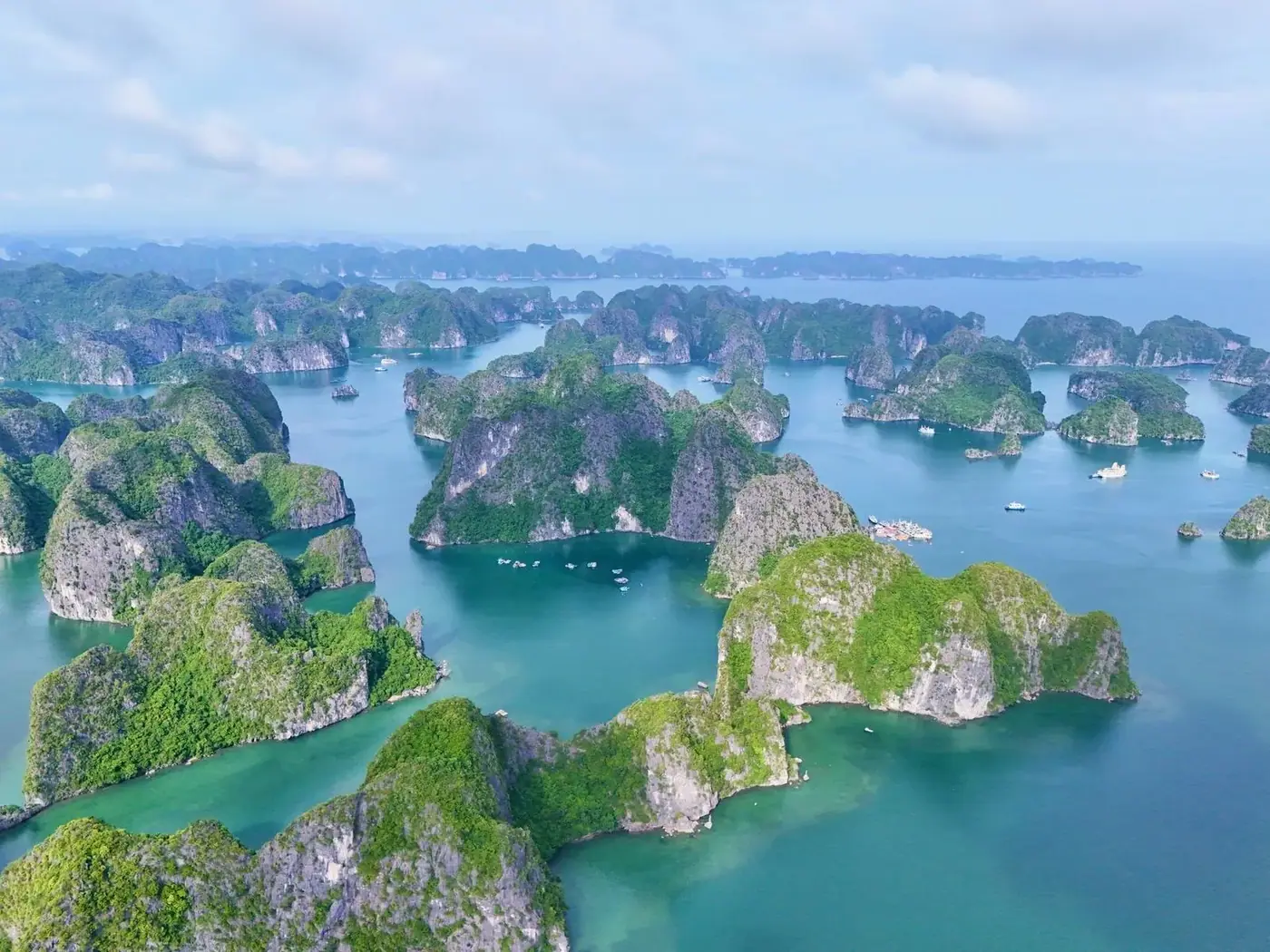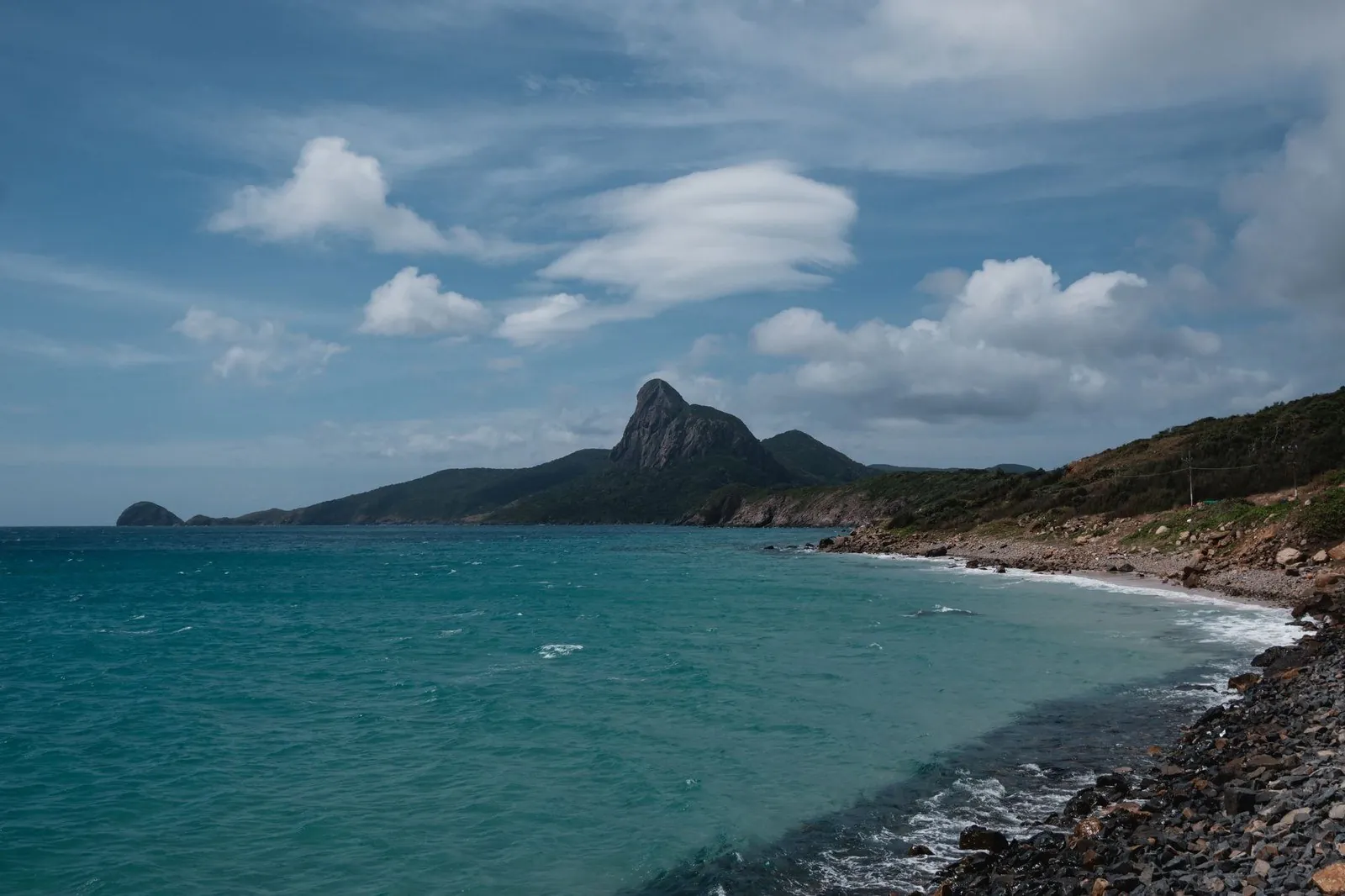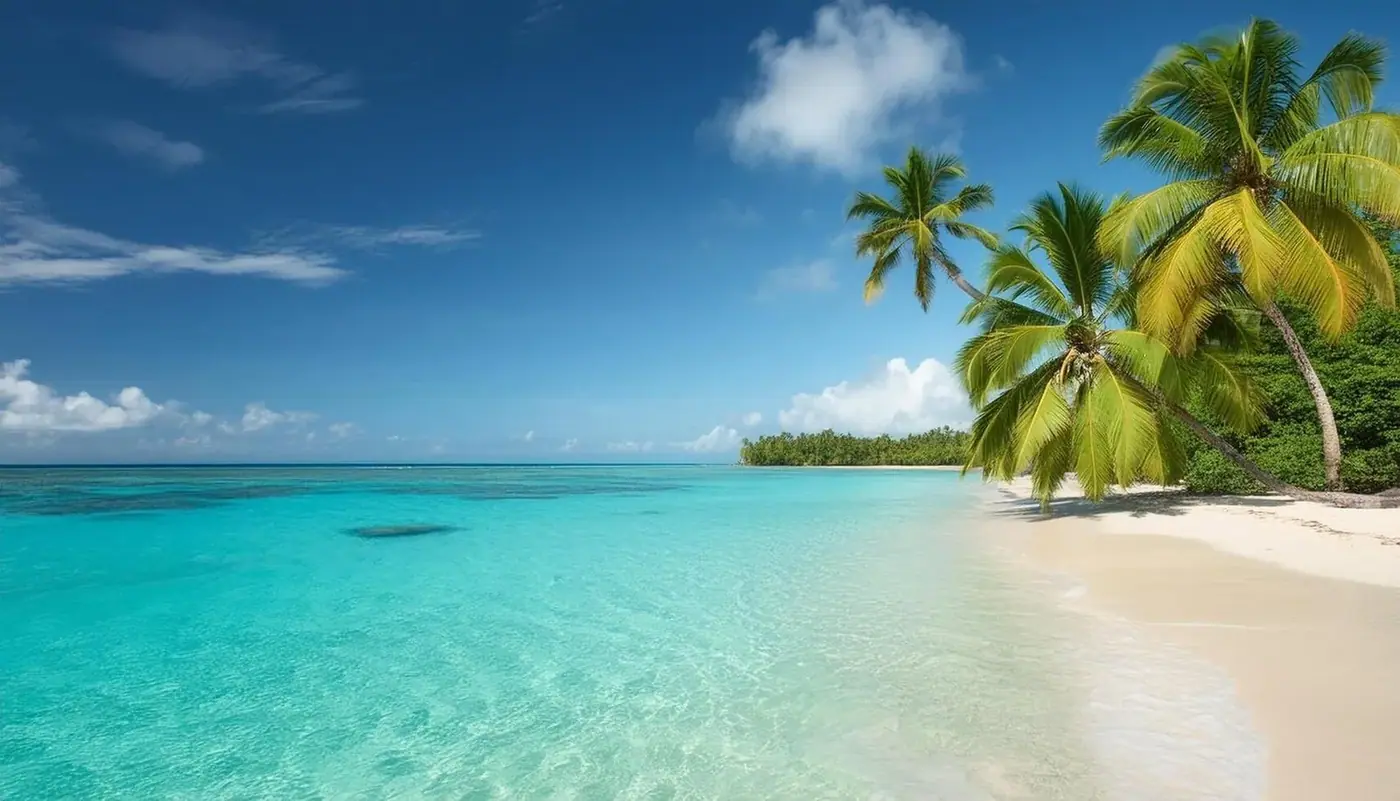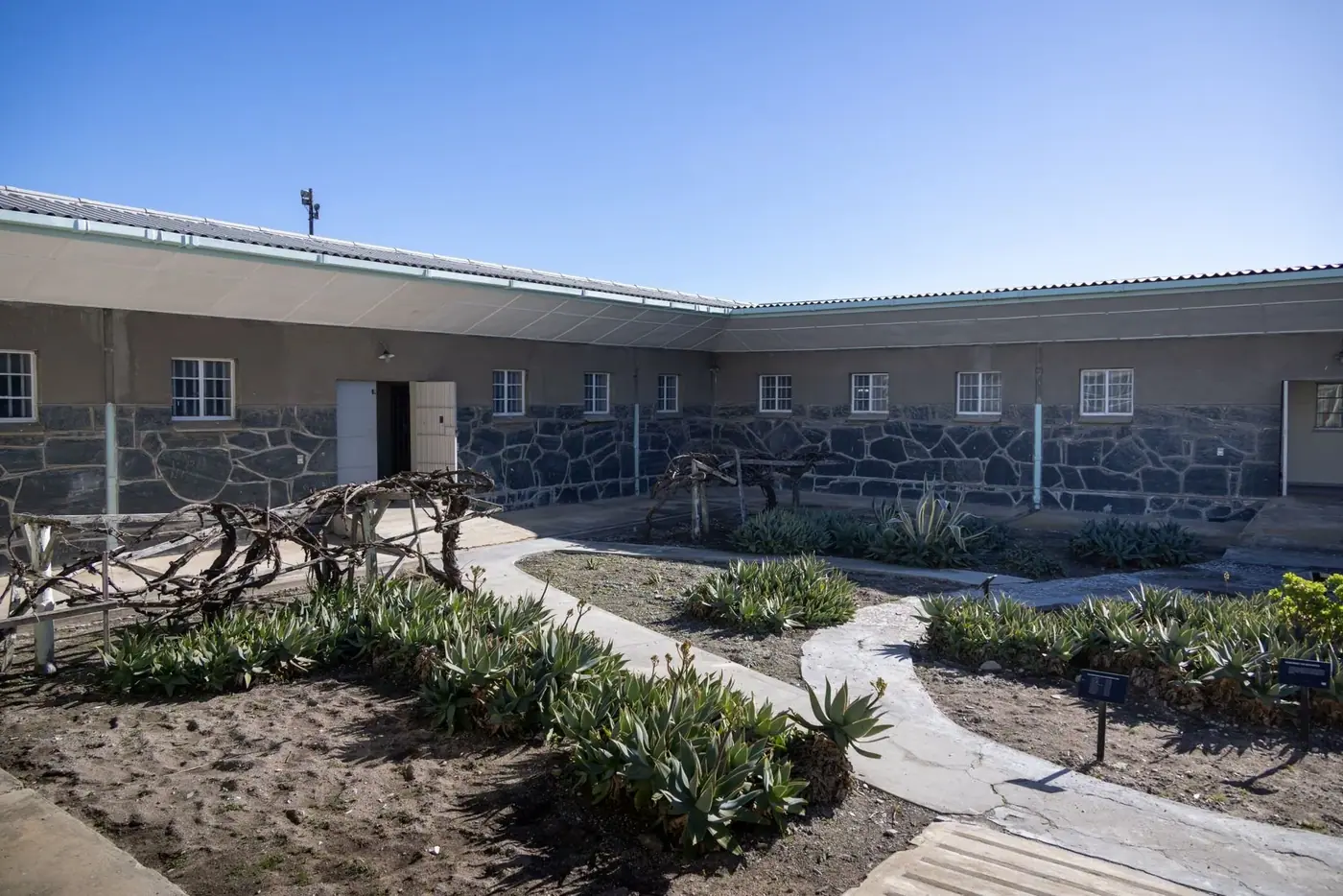
Con Dao is an archipelago of 16 islands covering 76 km² in the South China Sea, 230 km south of Ho Chi Minh City — remote enough that most Vietnamese have never been there. I’ve been running tours from Da Nang since 2023, and I can tell you this: Con Dao is the one place I keep sending travellers who want something genuinely different — a working national park, the most important sea turtle nesting beach in Vietnam, and a prison museum that forces you to think. Plan on 3–5 days, book flights early, and go between March and September.
If you want help building the southern Vietnam leg of your trip, there’s a route that already includes this.
How Do You Get to Con Dao Island?
Only one airline flies to Con Dao: VASCO , a Vietnam Airlines subsidiary operating ATR 72 turboprops into Con Dao Airport (VCS). The flight from Ho Chi Minh City takes ~45 min. That monopoly matters for your wallet.

Fares from Ho Chi Minh City (SGN) start around $87 one-way if you book 3–4 weeks out; the published full-fare rate can hit $260 one-way. You won’t find Vietjet or Bamboo here — check vietnamairlines.com directly and compare with aggregators. VASCO also flies from Can Tho and Hanoi, but the HCMC route is the most frequent and cheapest entry point.
If you want to skip the plane, the Phu Quoc Express ferry runs from Vung Tau (the port 2 hours by bus southeast of Saigon). The crossing takes 4–6 hours depending on sea conditions; adult tickets run 790,000–1,200,000 VND (~$31–$47) one-way, with weekend surcharges of 10–20%. The ferry departs at 8:30 AM and returns from Con Dao at 4 PM — so you lose two travel days with this option. A shorter alternative leaves from Tran De port in Soc Trang (2–3 hours, 390,000–590,000 VND), but the bus connection from HCMC eats the time you save. For most itineraries, the plane wins.
When Is the Best Time to Visit Con Dao?
March–May sits at the sweet spot: seas are calm enough for snorkeling and diving, turtle season is just beginning, and you arrive before the June–September peak crowds that follow turtle-watching season. Book March if you’re diving-first; book June–September if turtles are the reason you’re going.
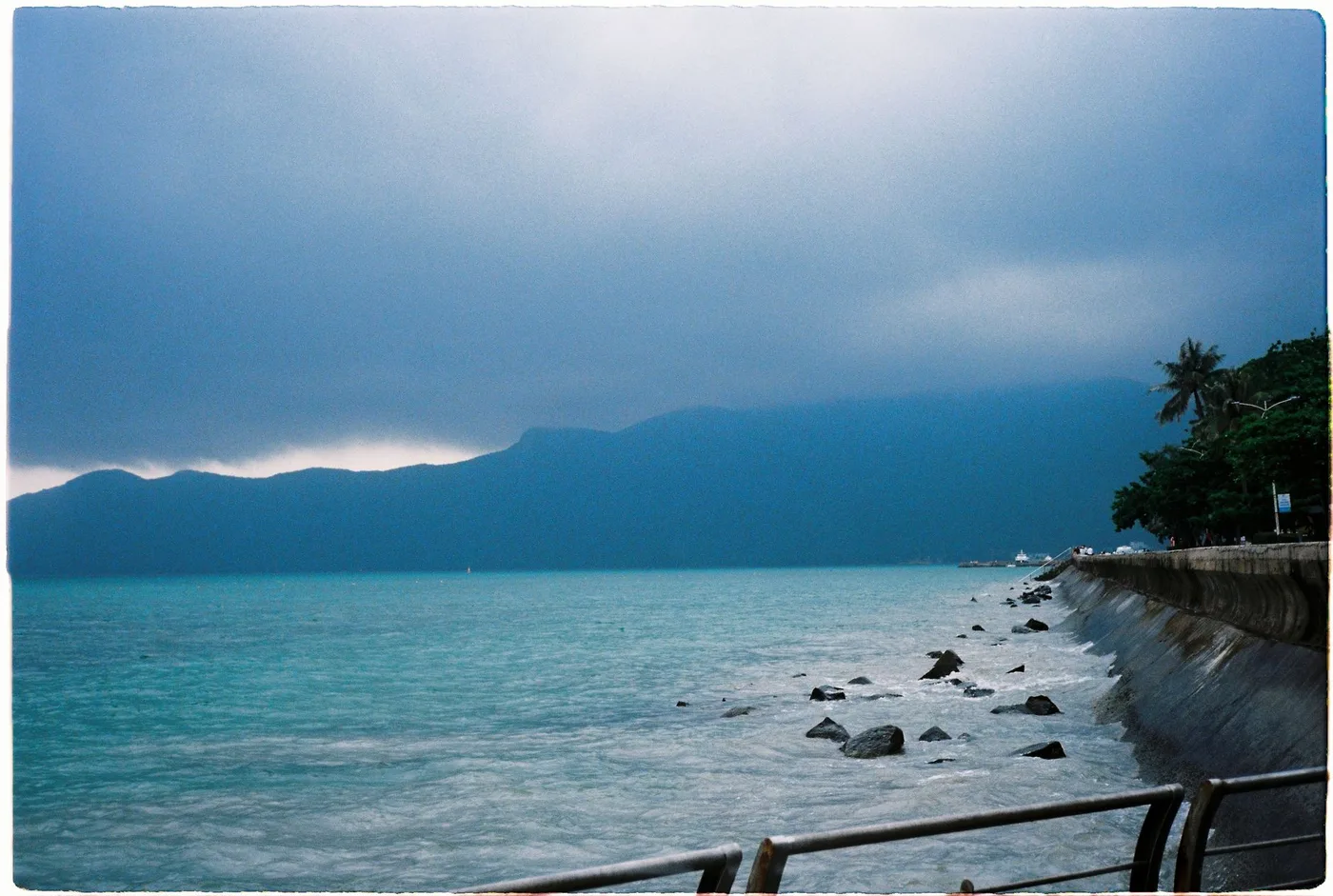
Con Dao’s dry season runs December–April, rainy season May–November, with a year-round average of ~26°C. That’s the textbook answer, but the trade-off is real: the best turtle sightings (June–September) overlap with higher humidity and occasional afternoon squalls. None of that stops tours — rain at night doesn’t affect a 2 AM beach walk watching a green turtle lay eggs. The months to genuinely avoid are October–February, when the South China Sea’s northeast monsoon and the broader regional typhoon season push rough swells that cancel dive boats and make the ferry crossing genuinely rough. If your only window is November–February, fly rather than ferry and lower your expectations on underwater visibility.
Sea Turtle Watching at Bay Canh: What Actually Happens
Bay Canh Island (Hon Bay Canh) is the most important sea turtle nesting site in Vietnam. Each year more than 2,000 green turtle mothers haul themselves onto its beaches; rangers and volunteers release roughly 150,000 hatchlings back into the sea annually. By Q1 of 2026, 48 nesting mothers had already returned — a strong start to the season.
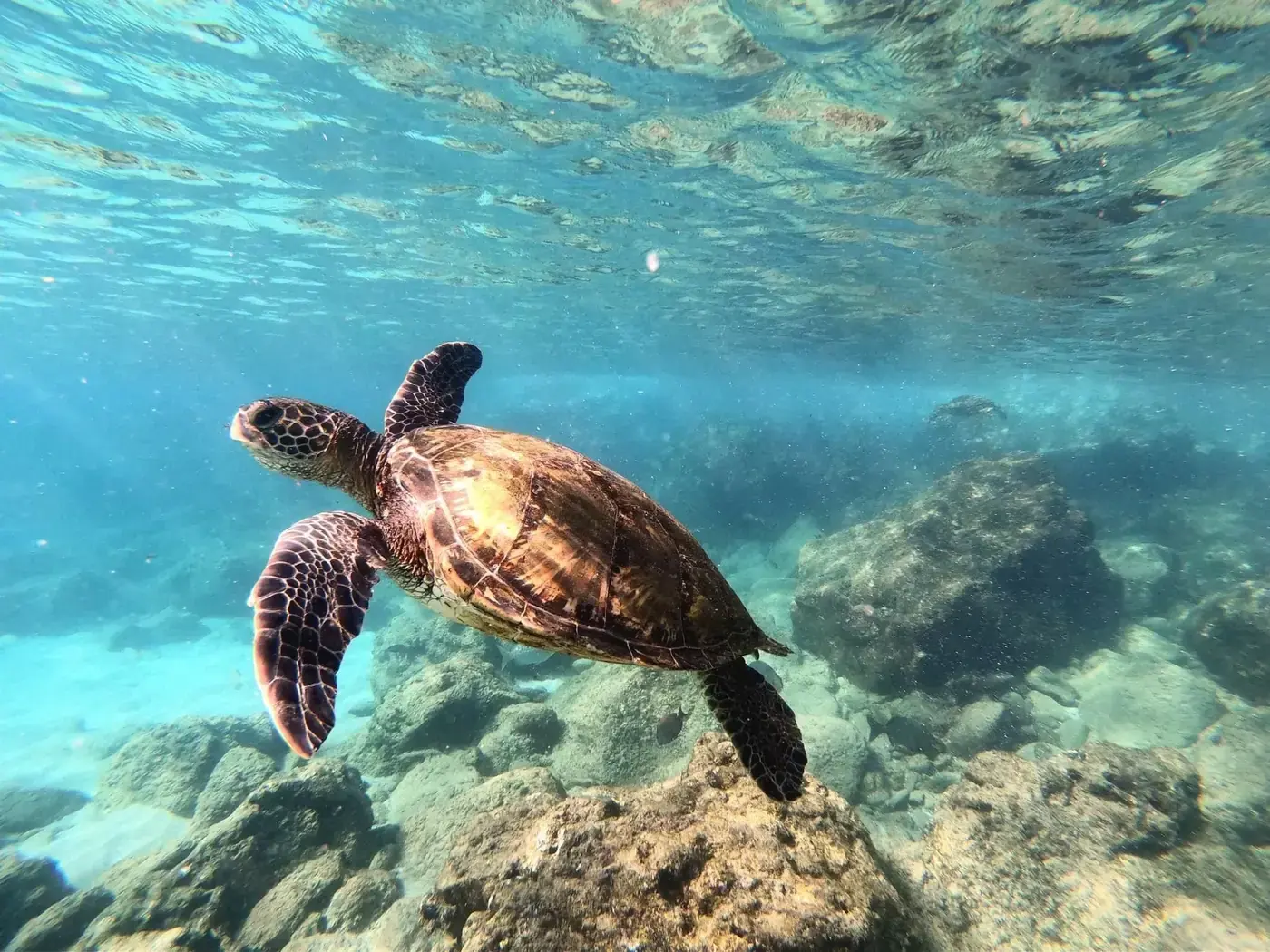
Tours depart from the Con Son pier by boat in the late afternoon. Groups are small — 5–7 guests maximum — and a ranger leads you along the beach after dark, scanning for females in the process of nesting. You may wait 2–4 hours. When a turtle appears (and during peak season, most tours see one), you watch her dig, lay, and cover the nest in near-silence with red flashlights only. Booking through condaopark.com.vn costs 350,000–600,000 VND per person (~$14–$24); if no turtle shows, you get a 50% refund. A separate hatchling release experience runs 50,000 VND. During June–September, spots fill fast — book before you fly, not on arrival.
The experience is unlike anything else in Vietnam. I’ve sent dozens of travellers there, and I haven’t had a single person tell me it wasn’t worth the midnight boat ride.
Con Dao Prison: The Tiger Cages
Con Dao Prison — historically called Poulo Condore — was established on 1 February 1862 by French Governor Bonard. It became a machine for breaking political prisoners across three colonial eras: French, Japanese, and American-backed. The oldest and largest camp, Phu Hai, was built between 1862 and 1896 and could hold thousands of prisoners in conditions that shocked outside observers who finally gained access in the 1970s.
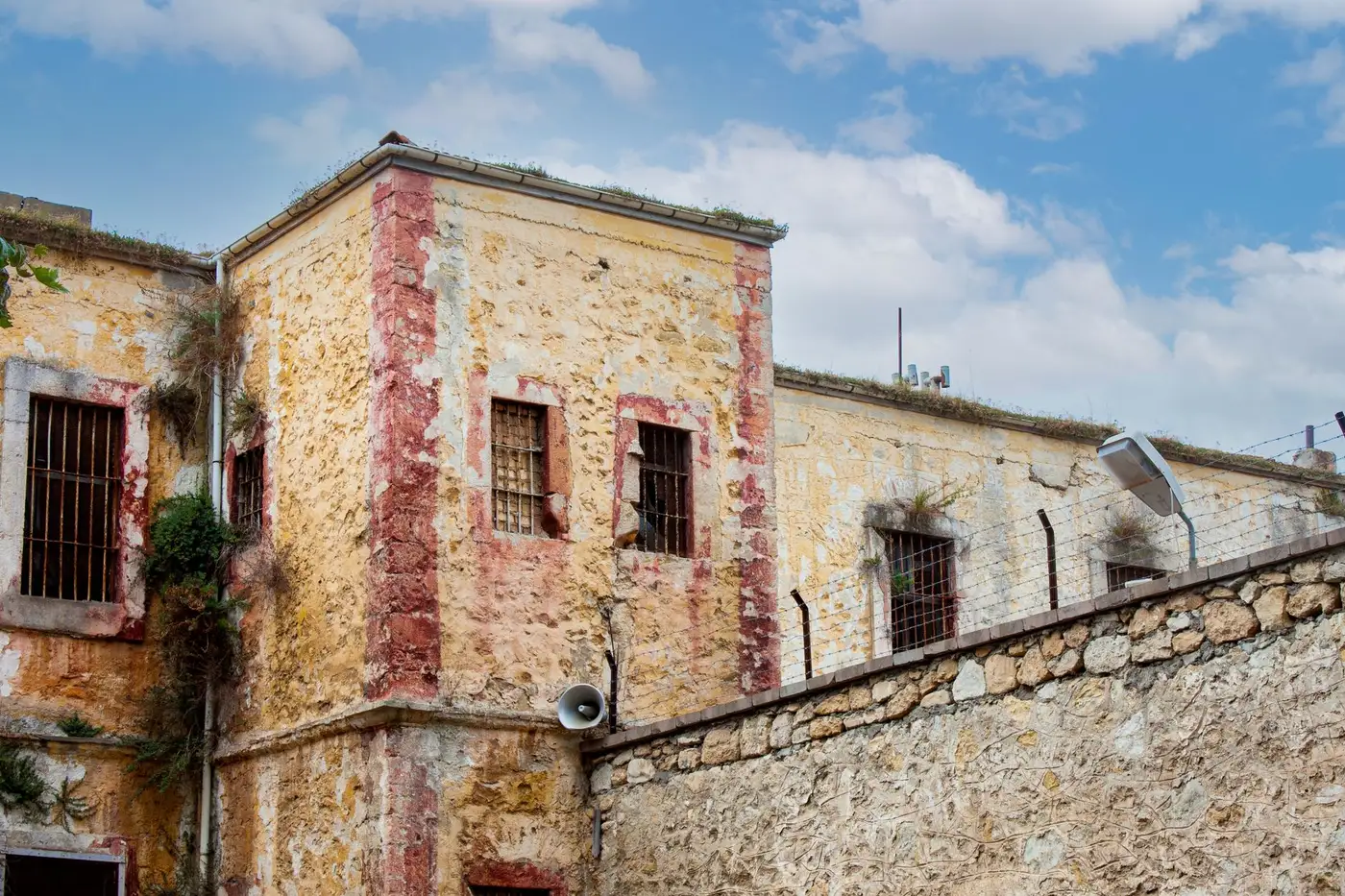
The Tiger Cages are the image most people carry away. A total of 504 isolation cells were built across both French and American construction phases; the American-era Tiger Cages were added in 1971. The design is deliberate: open-topped cells with iron bars for a ceiling, allowing guards to walk above and look directly down at prisoners — the same way you’d look at animals in a zoo. Sixty cells are displayed in the main open-air section. Concrete models of prisoners are positioned inside some cells. It is quiet, slow, and genuinely difficult.
Admission is 40,000 VND. One ticket covers the Governor’s Palace, Phu Hai Prison camp, the French Tiger Cages, and the American Tiger Cages. Set aside a full morning — moving quickly through all four sites takes 2 hours; taking it seriously takes 3.
Diving and Snorkeling in Con Dao National Park
Con Dao National Park was established in 1993 and covers 20,000 hectares — 6,000 ha of land across the 16 islands and 14,000 ha of protected marine area. The park holds 35+ named dive sites with water temperatures of 27–30°C and visibility regularly exceeding 20 m. More than 400 coral species have been recorded here, which explains why marine biologists rank it among the least-degraded reef systems in the South China Sea.

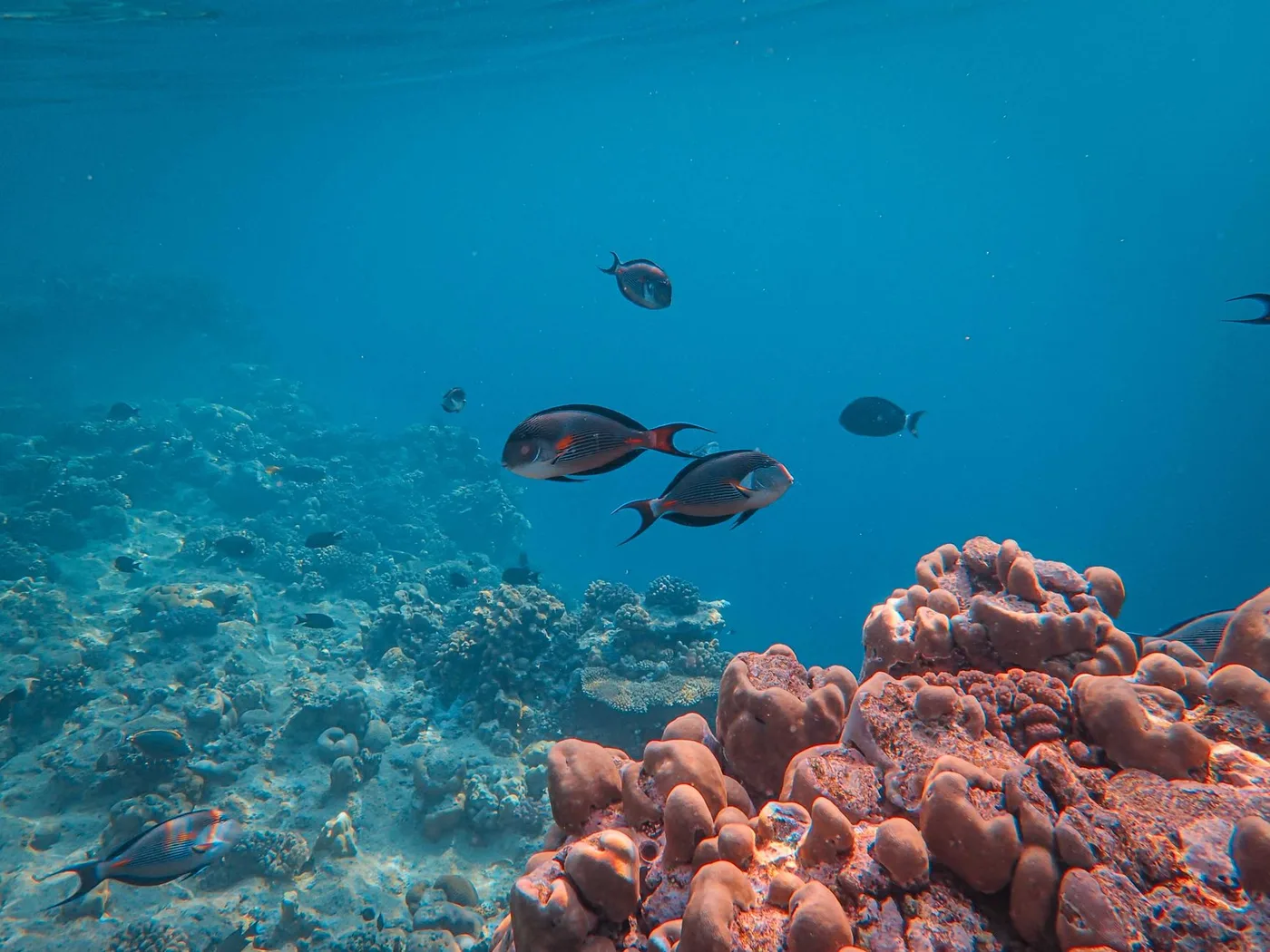
The top sites for divers are the Shark Fin area off Bay Canh Island and Hon Cau’s soft coral gardens, where bamboo sharks and blue-spotted rays are common sightings. Green turtles cruise through both sites during nesting season — a natural overlap with the turtle-watching tours. Dive season runs March–September; outside those months, northeast swell reduces visibility and most operators scale back or suspend trips. Water temperature stays above 27°C year-round, so a 3mm wetsuit is sufficient.
For snorkelers, Lo Voi Bay on the south side of Con Son Island is the easiest access — clear water over hard coral within swimming distance of the beach. Comparing Con Dao to other Vietnamese islands on reef quality, it consistently ranks above Phu Quoc and Nha Trang for coral health, largely because access is harder and visitor numbers are lower.
Where to Stay (Budget to Six Senses)
Con Son town — the only real settlement on the main island — has a clean range of accommodation for every budget. Budget guesthouses in the backstreets of Con Son run $6–$20/night. Mid-range hotels (air conditioning, private bathroom, sometimes a pool) land at $30–$80/night. The seafront resorts ask more, though some offer reasonable value in the $60–$100 range if you book direct.
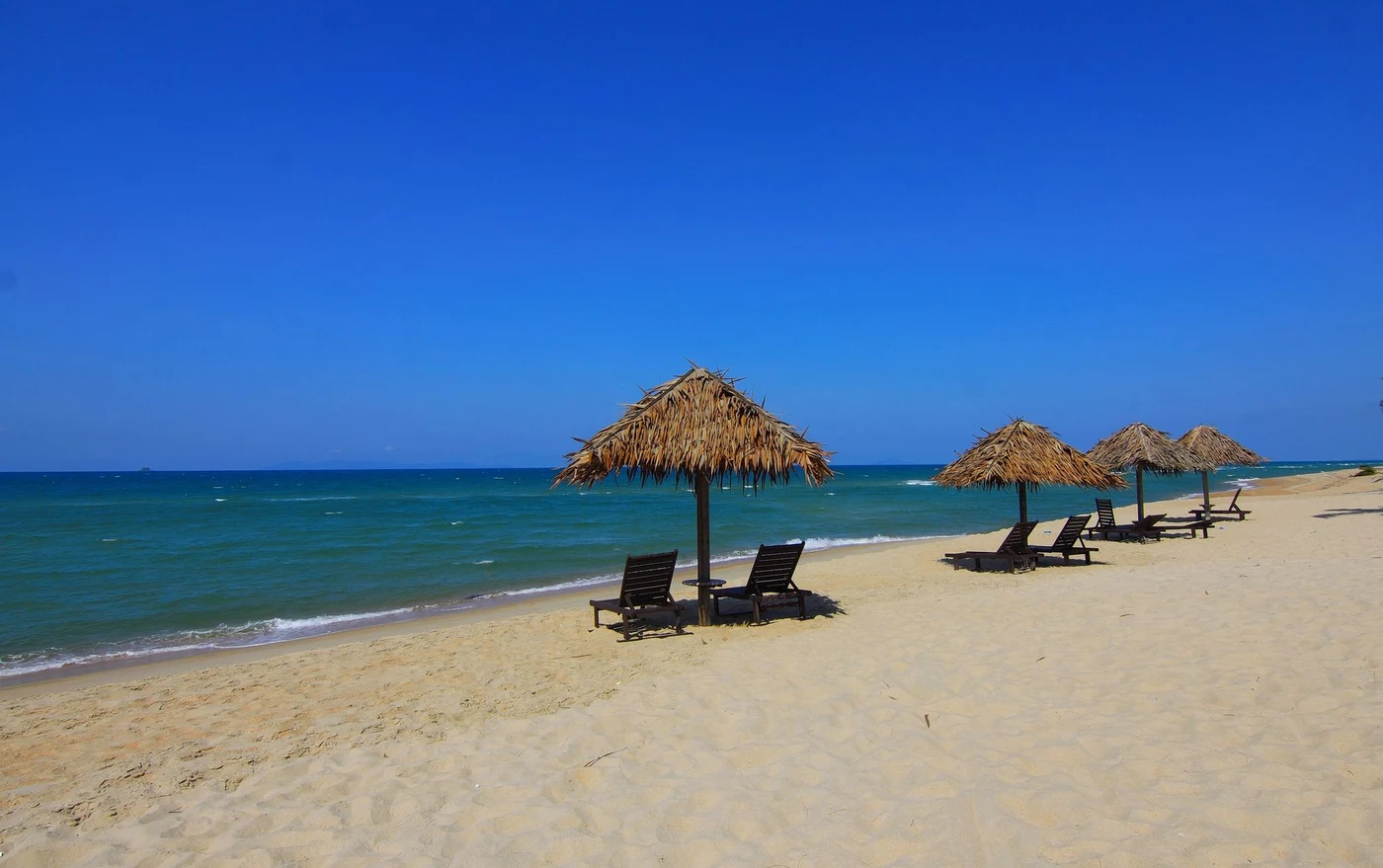
Six Senses Con Dao sits at the extreme upper end: from $586/night in the best-deal configuration, climbing above $800 on peak dates. It sits on a 1.6-km private beach, has won National Geographic’s Best Eco Lodge designation, and offers complimentary airport transfers. If you’re celebrating something significant and this is your one extravagant Vietnam stop, it earns its rate. For everyone else, staying in town is a perfectly good choice — the island is small enough that a $5/day motorbike gets you everywhere within 20 minutes.
Speaking of which: I run multi-destination southern Vietnam tours and 15-day routes that pair Con Dao with the Mekong Delta and the central coast — for travellers who want the logistics handled rather than piecing together three sets of ferry bookings and flight segments separately. Something to consider if this is your first time in the south.
How to Spend 3 Days on Con Dao
- Arrive and orient. Land at VCS, collect your motorbike rental from one of the guesthouses in Con Son ($4–$6/day) — this is non-negotiable on Con Dao. Drive the perimeter road to get your bearings. In the late afternoon, walk to the Vo Thi Sau Mausoleum, the most visited grave on an island full of graves. Dinner on the seafront strip.

Prison complex in the morning, Bay Canh overnight. Start at Phu Hai Prison when the complex opens (7 AM, cooler and quieter before tour groups arrive). Work through the Tiger Cages. Take the afternoon to decompress at Dam Trau Beach, the long white-sand stretch in the north — largely deserted on weekdays. In the evening, join the overnight turtle-watching tour to Bay Canh. Sleep on the island (rangers have basic facilities) or return by boat before dawn.
Dive or snorkel, then fly. Book a morning boat dive at Lo Voi or Bay Canh before your afternoon flight back to Saigon. Most dive operators offer single-tank morning dives specifically timed for the outbound VASCO schedule. If you’re not diving, Dam Trau Beach is worth a second visit.
5 days follows the same structure with an extra boat day — a half-day to Hon Cau for coral-garden snorkeling, and an afternoon hike to the Con Dao National Park summit trail through old-growth forest.
Is Con Dao Worth the Cost?
Compared to Phu Quoc or Nha Trang, Con Dao is more expensive at every level — flights, accommodation, boat tours. A realistic 3-day budget including flights from Saigon ($87–$180 round-trip if you book early), mid-range accommodation ($40–$60/night), food, motorbike, and a turtle-watching tour runs $350–$500 per person. That’s real money for Vietnam. Is it worth it?
For beach-only travellers who want cheap sun and cheap beer: probably not. Phu Quoc or Nha Trang offer that for less . For travellers who want something they can’t replicate — sitting on a dark beach watching a 150-kg turtle emerge from the South China Sea and bury 100 eggs in the sand, or standing inside a Tiger Cage and understanding, physically, what confinement at that scale means — Con Dao is worth every extra dollar. The island rewards slow, attentive travel. It has no nightlife, no go-karts, no fake pirate ships. What it has is real.
Planning a southern Vietnam trip that includes Con Dao takes some coordination — VASCO schedules, national park permits, ferry timings, and accommodation that books up quickly in turtle season. Message me on Telegram and I can put together the routing for you. I’ve done this for dozens of travellers coming through Da Nang and the south — Con Dao is one of those destinations that’s easier with someone who knows the timing.
Frequently asked questions
Does Con Dao have a visa-free zone like Phu Quoc?
No. Phu Quoc holds a special economic zone status that historically allowed visa-free entry for certain nationalities for stays up to 30 days, but Con Dao has no equivalent designation. Standard Vietnam visa rules apply: most nationalities can obtain a Vietnam e-visa online for $25, valid for 90 days, which covers Con Dao without any additional permit.
Can I book the turtle-watching tour on arrival?
Outside of April and May, advance booking is strongly recommended. During peak turtle season (June–September), tour slots at Bay Canh fill up days or weeks ahead — some operators cap groups at 5–7 people and run only one departure per night. Contact condaopark.com.vn or a Con Dao dive operator before you board your flight. Arriving without a booking in July and hoping for a spot that evening is a gamble that often doesn’t pay.
Is there mobile internet and an ATM on Con Dao?
Mobile data works in Con Son town with Viettel or Vinaphone SIM cards, though speeds drop to 3G in parts of the island and disappear entirely on the outer islands. Wi-Fi at guesthouses and mid-range hotels is generally functional. For cash: there is a Vietcombank ATM in Con Son town, but withdrawal limits and occasional downtime are real. Bring more cash than you think you need before leaving the mainland — card acceptance outside the larger hotels is limited.
What is the best beach for swimming?
Dam Trau Beach on the northern tip of Con Son Island is the standout: a long arc of pale sand backed by jungle, with calm, clear water and almost no development. It’s 15 minutes by motorbike from Con Son town and sees very few visitors on weekdays. For snorkeling rather than swimming, Lo Voi Bay on the south coast has better reef access directly from the beach. Both are inside the national park boundary, so the water quality is consistently good.