Five days, roughly 430 kilometres, one of the best coastal roads in Southeast Asia. The route from Hue to Quy Nhon doesn’t appear on most Vietnam motorbike bucket lists — it gets overshadowed by the Ha Giang Loop in the north and the Ho Chi Minh Road in the west. That’s exactly the appeal. Between Hue and Quy Nhon you get Hai Van Pass without the Hoi An day-tour market crowd, a Cham ruins site that still feels genuinely remote, and a beach at the end — Ky Co — that gets called the Maldives of Vietnam without the usual irony.
I rode this route in full. The distances and prices below are ones I actually used, updated with verified 2026 data from rental shops, official fee boards, and government fuel pricing.
The route at a glance:
| Day | Segment | Distance | Riding Time | Sleep |
|---|---|---|---|---|
| 1 | Hue (city explore) | — | — | Hue |
| 2 | Hue → Lang Co → Hai Van Pass → Da Nang | ~100 km | 4–5 h | Da Nang |
| 3 | Da Nang → Marble Mountains → Hoi An | ~30 km | 1–2 h | Hoi An |
| 4 | Hoi An → My Son → Hoi An (day trip) | ~90 km r/t | 3–4 h | Hoi An |
| 5 | Hoi An → Sa Huynh → Eo Gio → Quy Nhon | ~300 km | 6+ h | Quy Nhon |
Total riding: roughly 520 km over five days (430 km one-way Hue → Quy Nhon, plus the 90 km My Son day trip on Day 4). Day 5 is the long haul — factor that into your energy budget before you book same-night accommodation in Quy Nhon.
Day 1 — Hue: pick up the bike, orient yourself
Fly or train into Hue and collect your rental on arrival day. Don’t start Day 2’s ride the same afternoon you arrived — Hai Van Pass deserves a clear head and an early morning start. Spend Day 1 on the Imperial Citadel and Thien Mu Pagoda — two hours of walking covers both. Hue has the most affordable street food on the entire route; the bún bò Huế here is nothing like what gets served under that name further south.
Rental options in Hue: semi-automatic 110–125cc bikes cost 100,000–300,000 VND per day ($4–12). Ask specifically about one-way rental to Da Nang or Hoi An — Hue Scooter Rental, Tuan Motorbike, and Hidden Land Travel all offer it. Drop-off at Quy Nhon is possible through some providers; confirm upfront because it carries a surcharge and not every shop has a network that far south.
Deposit: 1,000,000–3,000,000 VND or your passport. The passport option creates complications if you plan to cross provincial checkpoints or if the bike has mechanical trouble en route — cash deposit is cleaner.
Day 2 — Hue to Da Nang: Hai Van Pass and Lang Co Beach
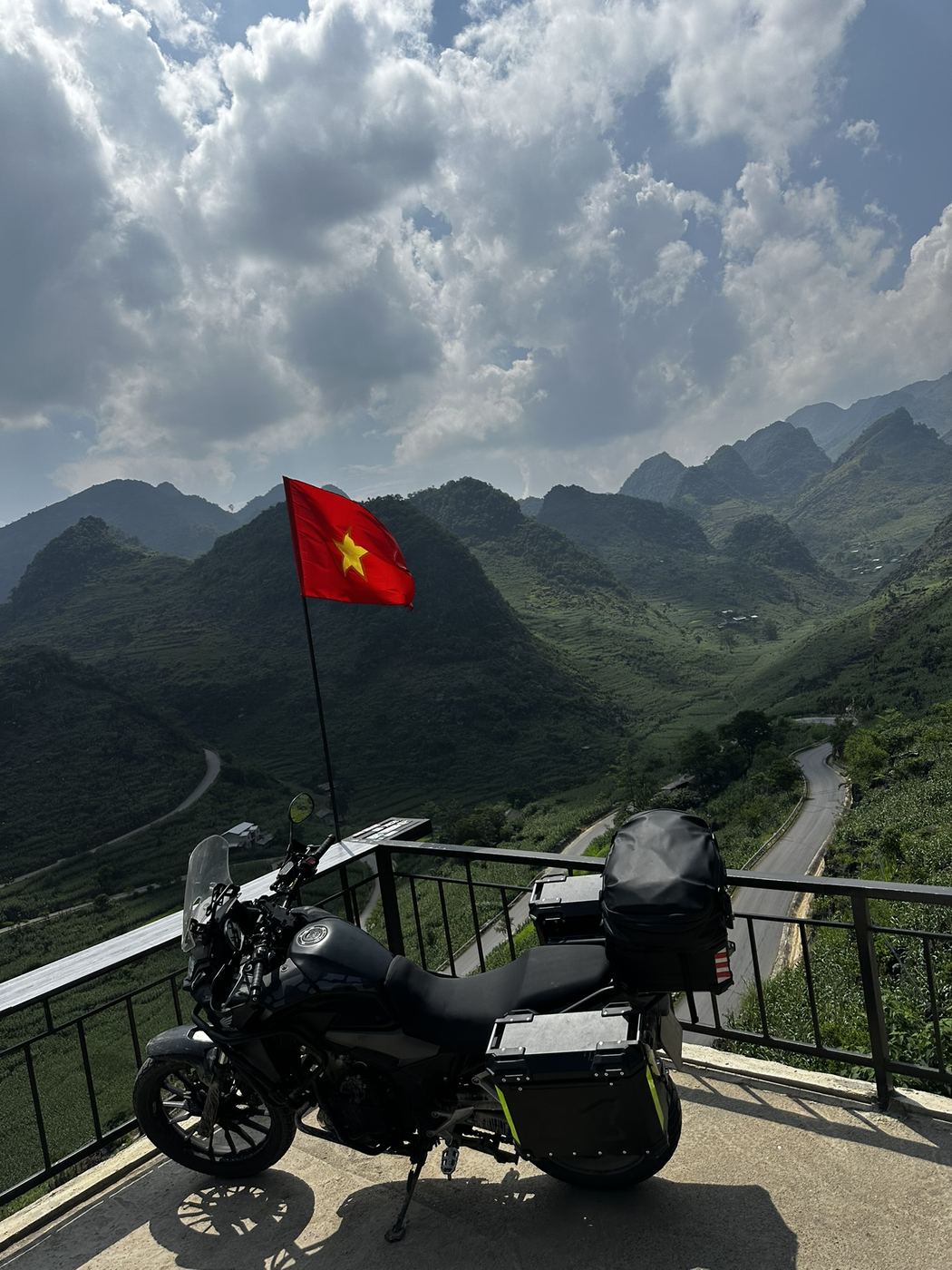
Leave Hue by 7 AM. National Route 1A south brings you to Lang Co Beach — a 10-km strip of sand sitting between the sea and a lagoon — roughly 60–70 km from Hue. It’s the last flat road before the climb. Stop here, get coffee, and look north: you can see the mountain ridge you’re about to cross.
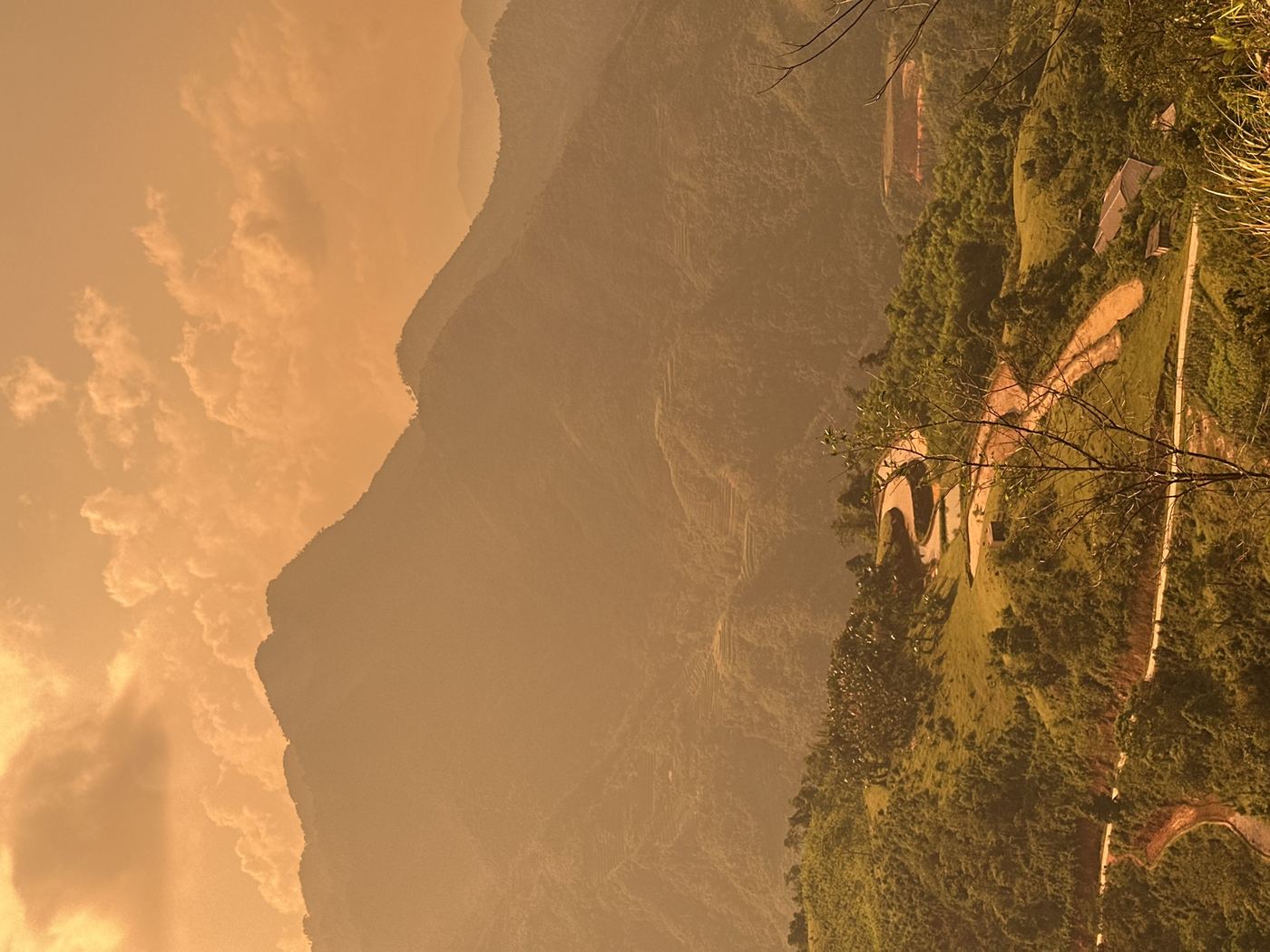
The Hai Van Pass rises to ~500 m over 21 km. The road is well-surfaced but has tight corners and sudden steep sections that demand controlled braking. Near the summit, fog rolls in fast — the name translates to “Ocean Cloud Pass.” The historic Hai Van Quan gate at the top was built by Emperor Minh Mang of the Nguyen Dynasty in the 19th century; the inscription reads “The most majestic gateway under heaven.” Allow 45–60 minutes for the pass segment alone, more if you want photos at the gate and summit viewpoints.
Practical rules for the pass: never overtake on blind corners (the most common cause of accidents here); apply both brakes evenly in turns to prevent rear-wheel skid; expect crosswinds on the exposed summit section. Never ride Hai Van after dark.
The descent puts you on the northern edge of Da Nang. Marble Mountains are 30 km south — if you arrive with daylight left, ride straight there rather than doubling back tomorrow morning.
Overnight: Da Nang. Budget beds from ~$8–12.
Day 3 — Da Nang to Hoi An via Marble Mountains
The Marble Mountains (Ngu Hanh Son) sit directly on the Da Nang–Hoi An coastal road, 30 km from Da Nang. Five quartzite and marble peaks with cave temples inside the rock and views of both the sea and rice fields. Entrance: 40,000 VND. Elevator to the top: 15,000 VND one-way. Am Phu Cave (“Hades Cave”): 20,000 VND extra — the one section most visitors skip, and shouldn’t. Opening hours: 7:00–17:30. Budget 90 minutes here.
From Marble Mountains to Hoi An Old Town is another 15 km south. Park at the edge of the old quarter and walk in — scooters are restricted in the UNESCO core zone. The ancient houses open at 8:00 AM; organized day tours from Da Nang typically arrive between 9 and 10, so earlier is better.
For a full rundown of side trips while you’re based in Hoi An, check out day trips from Hoi An 2026 .
Overnight: Hoi An. Dorm beds average $10; private rooms from $13.
Day 4 — Hoi An: My Son Sanctuary day trip
My Son Sanctuary is ~45 km from Hoi An, back toward the mountains. A complex of Cham Hindu temples built between the 4th and 14th centuries, declared a UNESCO World Heritage Site in 1999. Entrance: 150,000 VND for foreigners — includes electric shuttle from the main gate to the ruins. Open 7:30–17:30.
Arrive at opening time to beat the day-tour buses from Hoi An and Da Nang, which typically arrive between 9 and 10 AM. Allow two hours at the ruins. Return to Hoi An for lunch; use the afternoon to sort any gear issues before Day 5’s long push.
Day 5 — Hoi An to Quy Nhon: the long haul
This is the day most self-guided riders underestimate. From Hoi An to Quy Nhon is approximately 300 km on National Road 1A, with 6+ hours of actual riding. Leave by 7 AM if you want to arrive in daylight with time for Eo Gio.
Key stops southward: Tam Thanh Mural Village outside Tam Ky (large-scale outdoor murals — genuinely impressive, 20-minute stop); Sa Huynh Beach in Quang Ngai province (road drops to sea level, good lunch and fuel stop). After the Binh Dinh provincial border, the road improves.
Arriving in Quy Nhon with two hours of daylight: ride 20 km northeast to Eo Gio (Wind Gap). Entry is 25,000 VND. The cliffs form an arc-shaped strait on the Nhon Ly peninsula — nothing like Hoi An’s beach scene. Zero international travel lists cover it. Every Vietnamese travel feed from the last three years does.
Ky Co Beach — the other Quy Nhon highlight — is only accessible by boat or park shuttle (no direct road along the coastline). Plan it for the morning after Day 5, not same-day arrival. Best April–September. Turquoise shallow water, caves, brackish lagoon. The “Maldives of Vietnam” nickname overpromises slightly on infrastructure and underpromises on the water.
Costs: what the ride actually runs
| Item | VND | Approx USD |
|---|---|---|
| Motorbike rental — semi-auto 110cc, 5 days | 500,000–1,500,000 | $20–60 |
| Fuel (~520 km, 3–4 L/100km, 20,000–24,000 VND/L) | 300,000–500,000 | $12–20 |
| Marble Mountains entry | 40,000 | $1.60 |
| My Son Sanctuary entry | 150,000 | $6 |
| Eo Gio entry | 25,000 | $1 |
| Accommodation budget, 5 nights | 750,000–2,000,000 | $30–80 |
Fuel prices are based on the official June 22, 2026 government price: E5 RON 92 at 20,120 VND/L. Government-set fuel prices change monthly.
Before you go: IDP, season, getting back
Driving permit: Vietnam requires an IDP under the 1968 Vienna Convention for riding any motorbike over 50cc. The 1949 Geneva Convention — used in the USA, Australia, Canada, Japan, and New Zealand — is not officially recognized in Vietnam. Decree 168/2024 (in force since January 1, 2025) significantly raised traffic fines, and police checkpoints run regularly on tourist routes in Da Nang and central Vietnam. Get the correct IDP before you fly.
Best season: February to August. February–April is the sweet spot: warm, clear, less crowded. For the full picture by region, see best time to visit Vietnam 2026 . Avoid September to January — October is the peak of typhoon season , and Hue and Hoi An can flood.
Getting back from Quy Nhon: Bus to Hoi An costs ~308,000 VND and takes 6h 45min–9h — book the night before, morning services fill fast. Bus to Hue: twice daily, ~9h 24min. Train from Dieu Tri station (~6 km from Quy Nhon center) is slower but more comfortable for longer onward trips.
FAQ
How long does it take to ride from Hue to Quy Nhon by motorbike? The full route covers approximately 430 km and takes 5 days at a relaxed pace, with 3–6 hours of riding per day. Riding straight through without stops would take around 10–12 hours, but you’d miss everything worth seeing.
Is the Hai Van Pass dangerous for motorbike riders? The 21-km pass has tight corners, sudden elevation changes, fog, and crosswinds near the ~500 m summit. Start before noon, take curves slow, never overtake on blind corners. In dry season (February–August) conditions are reliable.
Do I need an international driving permit (IDP) to ride a motorbike in Vietnam? Yes — Vietnam requires an IDP under the 1968 Vienna Convention for bikes over 50cc. IDPs under the 1949 Geneva Convention (USA, Australia, Canada, Japan) are not officially recognized. Decree 168/2024 (effective January 1, 2025) significantly raised fines, and police checkpoints are active on tourist routes in Da Nang.
Which IDP convention is valid in Vietnam — 1949 or 1968? Only the 1968 Vienna Convention IDP is officially recognized in Vietnam. The 1949 Geneva Convention — USA, Australia, Canada, Japan, New Zealand — is not accepted.
What is the best time of year to do the central Vietnam coastal motorbike route? February to August (dry season). February–April is the ideal window: warm, dry, uncrowded. Avoid September to January — October is the storm peak, and Hue and Hoi An can flood.
Can I do a one-way motorbike rental from Hue to Quy Nhon? Yes. Motorvina, Style Motorbikes, Tuan Motorbike, and Hue Scooter Rental all offer one-way drop-off to Da Nang or Hoi An. Drop-off at Quy Nhon is available through some providers — confirm upfront, it’s less common and carries a surcharge.
How much does it cost to rent a motorbike in Hue or Da Nang per day? In Hue: semi-automatic 110–125cc bikes run 100,000–300,000 VND per day ($4–12). In Da Nang: 80,000–120,000 VND for semi-automatic, up to 350,000 VND for larger automatics. Deposit: 1,000,000–3,000,000 VND or a passport hold.
How do I get back from Quy Nhon to Hue or Hoi An? Bus to Hoi An: ~308,000 VND, 6h 45min–9h — book the night before. Bus to Hue: twice daily, ~9h 24min. Train from Dieu Tri station (~6 km from Quy Nhon) is better for long onward journeys.
What are the best stops between Hoi An and Quy Nhon by motorbike? Tam Thanh Mural Village (outside Tam Ky), Sa Huynh Beach (Quang Ngai), and Eo Gio on arrival in Quy Nhon. Ky Co Beach the following morning — accessible by boat only.
What is Ky Co Beach and how do I get there from Quy Nhon? Ky Co Beach is ~20 km southeast of Quy Nhon, accessible only by boat or park shuttle — no direct road along the coast. Turquoise water, caves, brackish lagoon. Best April–September. Budget a half-day from Quy Nhon.
Planning a central Vietnam motorbike trip and want to talk through dates, route options, or gear? My team has been running tours along this coast since 2023. Message us on Telegram and we’ll build something around your specific schedule.