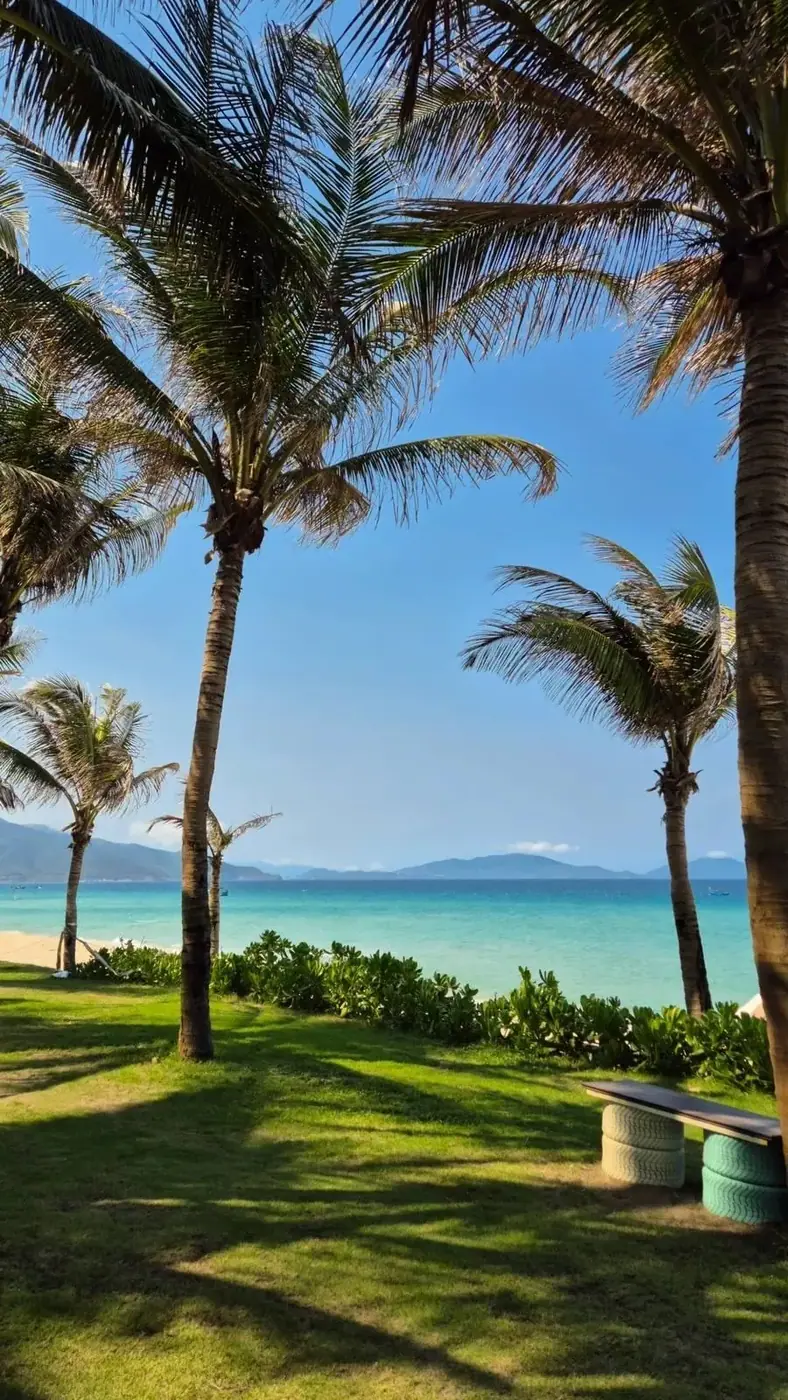
Cam Ranh’s main beach is Bai Dai, “Long Beach”: a long strip of sand on the peninsula south of Nha Trang. Most of it belongs to big luxury resorts, and only a small public section at the north end is open to everyone.
So the choice is simple. Stay in a resort if you want a closed, quiet holiday, and go for a day from Nha Trang if you only want a calmer beach and fresh seafood. I have run tours in Vietnam since 2023, and the numbers below are rounded from a recent Local Vietnam guide , so check them before you go.
What is Bai Dai Beach, and why is it called three things?
Bai Dai, Long Beach and Cam Ranh Beach are the same place. The most accurate name is Cam Ranh, because the beach lies on the Cam Ranh peninsula in Khanh Hoa province, outside Nha Trang proper. Nha Trang is simply the nearest big town, so that name stuck.
The coast was a military zone for a long time, which is why it stayed undeveloped while other beaches filled with hotels. Over the last decade it turned into a corridor of large resorts. Cam Ranh airport sits just south of the sand, and planes pass low on approach.
How are the resort section and the public end different?
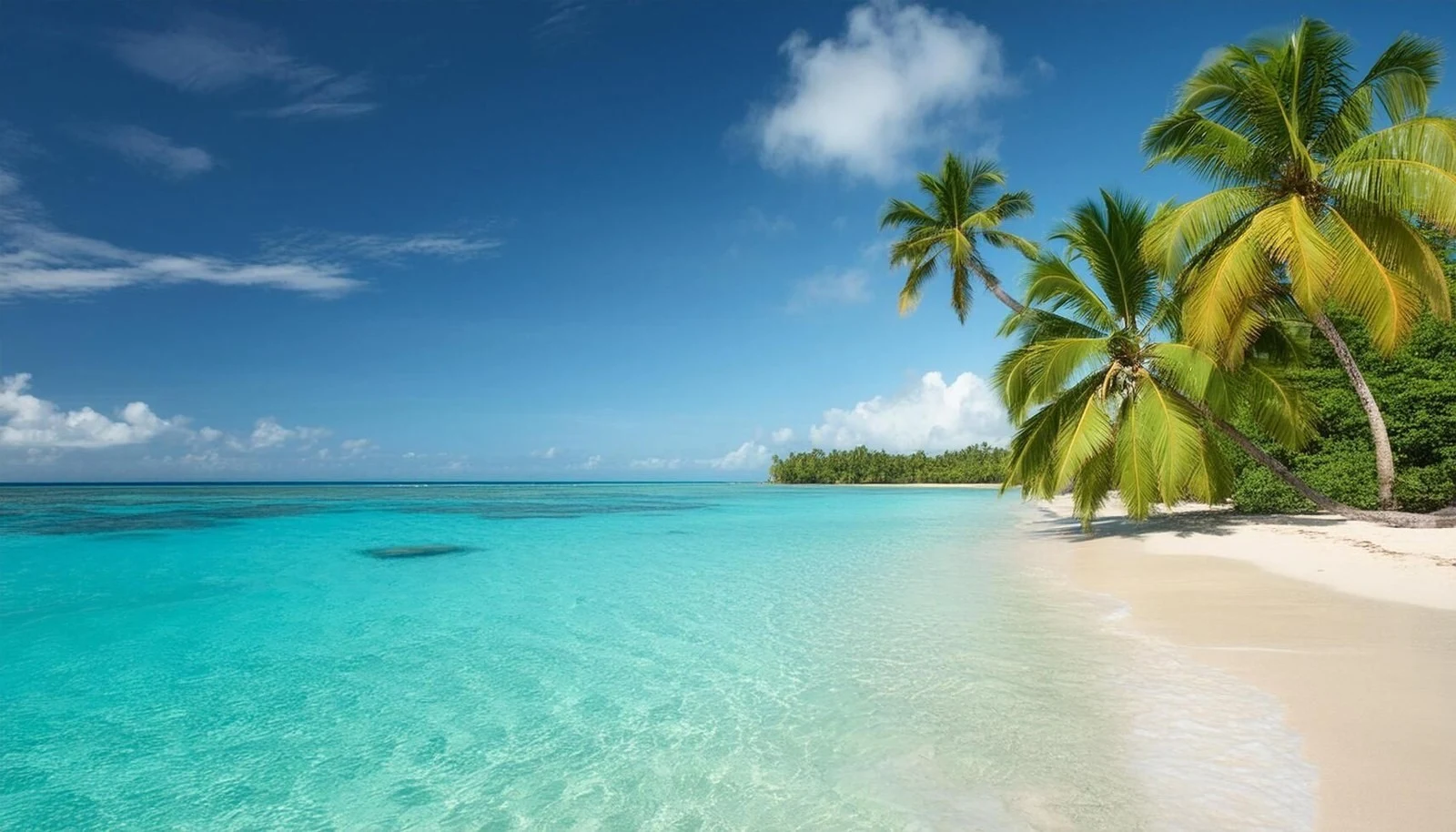
The resort section is clean, wide and uncrowded, with white sand and shallow clear water. The catch is access: sun beds, umbrellas and facilities there are for hotel guests only, and photos online hide that.

The public northern end is the opposite. It is a loose cluster of seafood shacks, beach chair rentals and a few bars where Nha Trang day-trippers gather. The food is cheap and fresh, and for many visitors this is the memorable half of the trip. The price is cleanliness: the section gets more foot traffic and less management, and litter is a real, recurring problem.
Should you stay at Bai Dai or visit for a day?
Stay if you want a self-contained holiday: pool, restaurants, spa, kids’ club and the beach all inside one gate. It works well for families who want to arrive and switch off.
Be ready for the isolation. Outside the resort gates there is no street life, no local bar and no independent restaurant within walking distance, so every trip out means a taxi or a shuttle. If you like to step out in the evening and find somewhere to eat, stay in Nha Trang and make Bai Dai a day trip.
I would go once for a quieter beach day. Some guides sell it as a hidden gem, which overstates it.
What does it cost to eat and get around?
At the northern end, seafood is sold by the kilo from tanks out front. Point at what you want and choose how it is cooked; the step I never skip is confirming the weight before it goes to the kitchen, since the whole bill is built on that number. A family meal with seafood and drinks usually comes to well under 200,000 VND per person.
To get there from Nha Trang:
- A Grab or taxi takes about 30 minutes and costs roughly 150,000 to 250,000 VND.
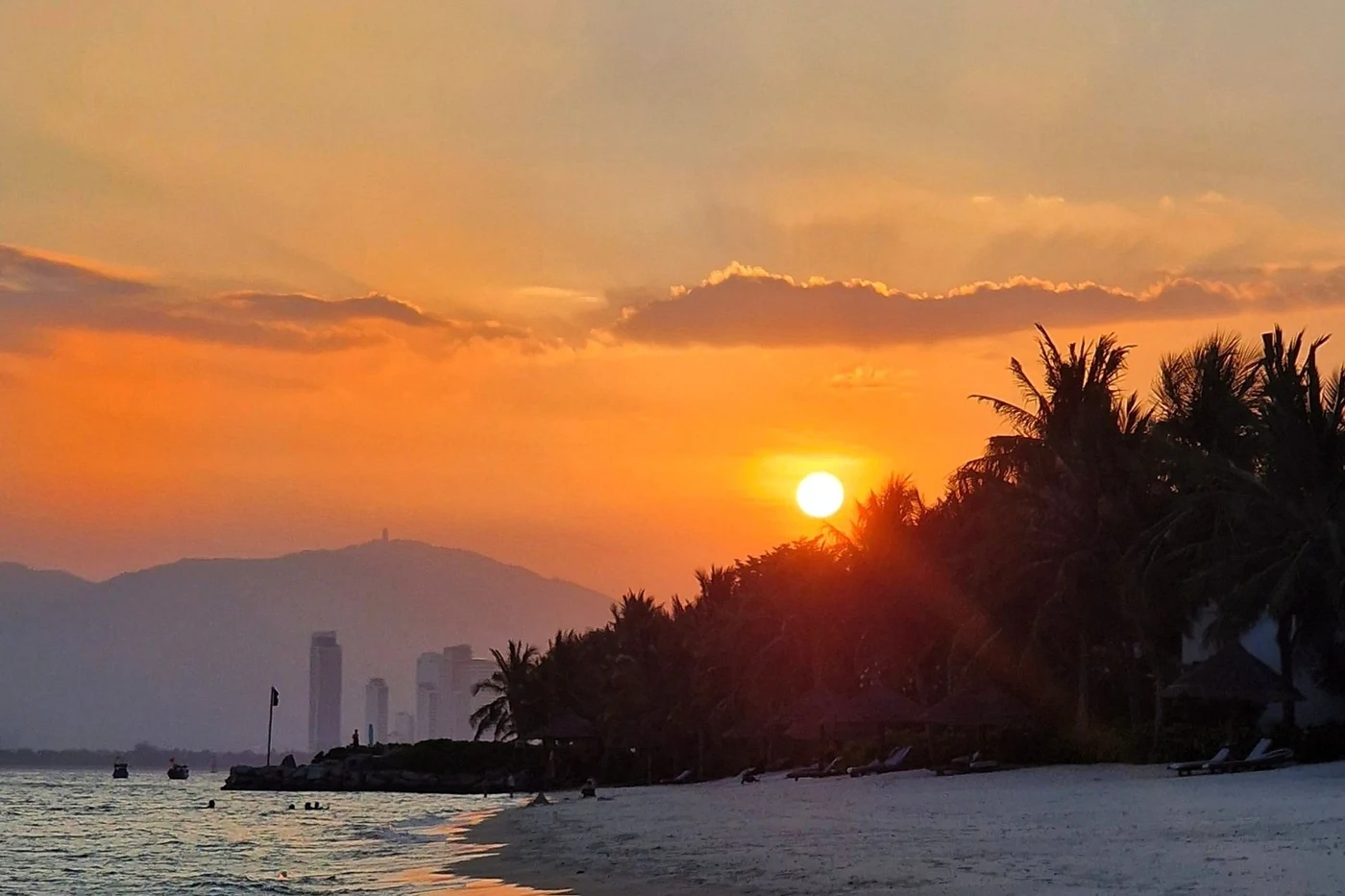
- A motorbike takes 30 to 40 minutes, and the coastal road over Cu Hin Pass is one of the nicest stretches of scenery between the two places, which is why I prefer the bike to the Grab when the sky is clear and you travel light.
- Bus route 18 to Cam Ranh airport stops near the northern end for about 20,000 to 30,000 VND, but it is slow with beach gear.
From Cam Ranh airport the beach is a 10 to 15 minute ride, typically 100,000 to 150,000 VND, and most resorts arrange transfers if you book ahead. If you would rather have the transfer and the day arranged before you land, message me on Telegram with your dates and I will set it up.
What should you check before you go?
Three things catch visitors out. First, shade: the beach is very wide and has no natural shade, so bring an umbrella, sunscreen and water, and do what locals do, arriving before 8 am or after 4 pm. Second, tides: at high tide the water reaches the restaurants at the northern end and leaves almost no beach, so check the tide times before leaving Nha Trang. Looking only at the weather forecast is the usual slip, because a sunny day at high tide still leaves a strip of sand too narrow for a towel in front of those restaurants. Third, money: bring cash, because the small places do not take cards, showers and changing rooms cost around 5,000 VND per use, and there are no permanent lifeguards at the public section outside peak season.
Which months are best for Cam Ranh beaches?
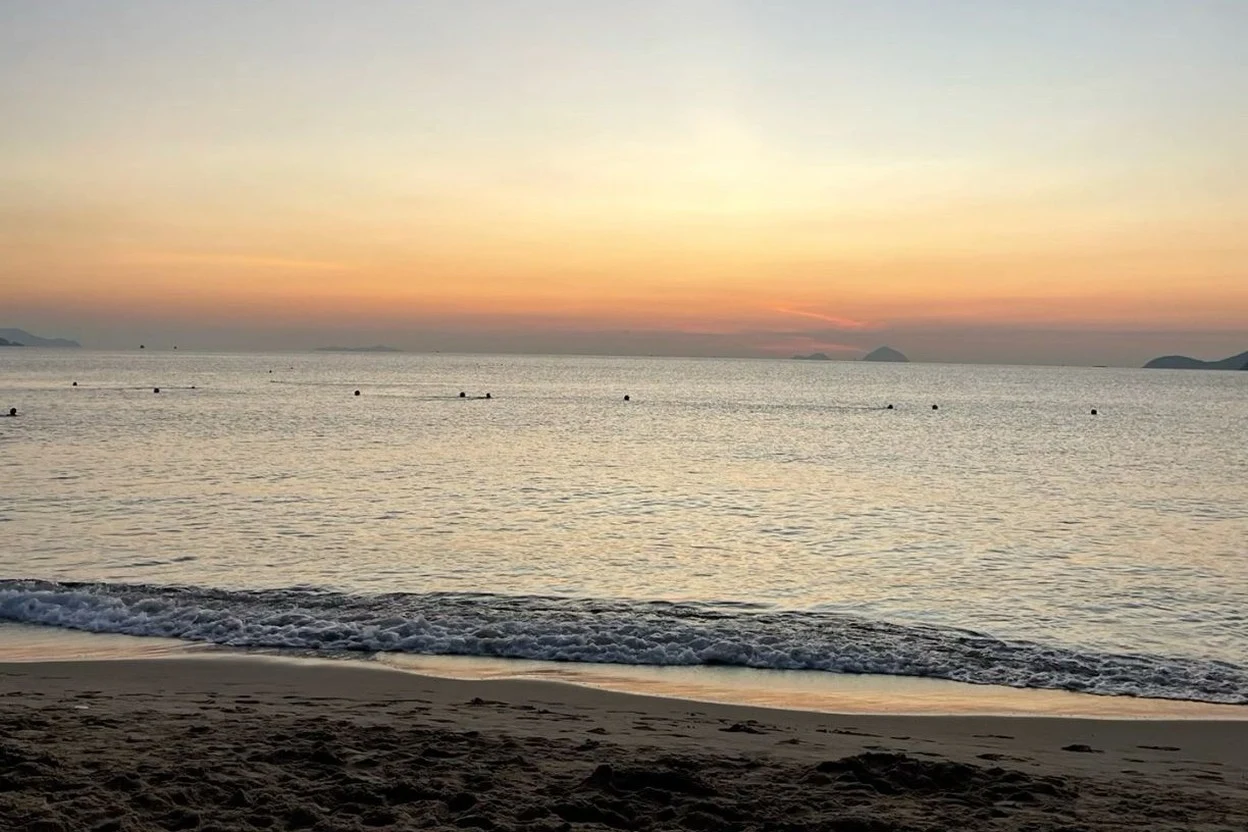
April to August is the most reliable window for swimming: calm sea, clear water and steady sun. From September to December the weather turns, and October and November are the wettest months, with heavy rain and rough sea.

Surf season runs from October to April, when the northeast monsoon brings swell. January to March can be dry and sunny, but the water is still lively, so do not plan on swimming then. In swell months it is too rough for casual swimming and rip currents are reported. For a month-by-month plan for the whole country, see our guide to the best time to visit Vietnam .
How do you plan one beach day from Nha Trang?
A beach day here works best as a short, early trip:
- Check the weather and the tide the evening before, and pick a calm month if you want to swim.
- Leave Nha Trang by 8 am with cash, an umbrella, sunscreen and water.
- Swim and walk in the morning, then have a seafood lunch at the northern end.
- Be back on the road by 4 pm, when the sun is lower and the beach is easier to enjoy.
You can do all of this alone with Grab and a printed tide table. If you would rather not juggle the transport, the tides and a beach that is only half public, message me on Telegram with your dates and who is travelling and I will build the beach days into a route for you.
Frequently asked questions
Can I use a Bai Dai resort beach if I am not staying there?
Usually not. Sun beds, umbrellas and the sand in front of the big resorts are kept for their guests, so a day visitor should head to the public northern end instead.
Can beginners learn to surf at Bai Dai?
Yes, from October to April. The break is a flat, forgiving sandy beach break, and two schools at the northern end, Nha Trang Local Surf School and Single Fin Surf School, give lessons and rent boards in English.
Is Bai Dai safe for swimming?
On calm days from roughly April to August, yes: the water is shallow with a gentle sandy slope. During the northeast swell from October to April, rip currents are reported, so follow the warning flags and swim near other people.
Is there anything to see around Bai Dai besides the beach?
Not much. The one stop worth making is Cu Hin Pass on the road from Nha Trang, which has a good view over the bay, so treat Nha Trang as your base for everything else.