
The best Vietnam itinerary for 2026 depends on your time and travel style: 7 days covers the northern and central highlights, 10 days adds Ho Chi Minh City, and 14 days gives you the full north-to-south sweep with room to breathe. Budget ranges from $350 for a week to $1,400 for two weeks, excluding international flights.
I’ve been living in Da Nang since 2023, organizing multi-day tours across Vietnam with Vietnam Samurai Tour. Every route I recommend below is one I’ve walked, driven, or slept on a bus through. The transport times are real. The costs are honest.
Quick Comparison: All Three Itineraries
| Itinerary | Duration | Route | Budget Cost | Midrange Cost | Best For |
|---|---|---|---|---|---|
| Classic North–Central | 7 days | Hanoi → Ha Long Bay → Hoi An → Hue | ~$350 | ~$700 | First-timers, short holidays |
| North–South Essential | 10 days | 7-day + HCMC + Mekong Delta | ~$500 | ~$1,000 | Curious travelers who want HCMC |
| Full Vietnam | 14 days | Hanoi → Sapa/Ninh Binh → Ha Long Bay → Hoi An → Hue → HCMC → Mekong | ~$700 | ~$1,400 | Slow travelers, second visits |
1. The 7-Day Vietnam Itinerary: Hanoi, Ha Long Bay, Hoi An, Hue
Seven days is enough to see Vietnam’s most iconic highlights if you keep transitions tight: 2 nights in Hanoi, a 2-night overnight cruise on Ha Long Bay, then a short flight to Da Nang, 2 nights based in Hoi An, and 1 night in Hue. You’ll cover around 1,200 km, spend $350–700 per person, and come home with a genuine picture of what Vietnam looks and feels like - it’s close to the 7-day route we run ourselves .

Day 1–2: Hanoi
Land, sleep, explore. Hanoi rewards slow walking — the Old Quarter’s 36 streets, Hoan Kiem Lake, and the Temple of Literature are all within 3 km of each other. Skip the guided bus tours; rent a motorbike or walk. Two full days here feels right.
Day 3–4: Ha Long Bay overnight cruise
The shuttle from Hanoi to Ha Long Bay takes 2.5–3 hours on the expressway. A 2-night cruise gives you two sunsets on the water, a morning kayak through limestone karsts, and a slower return than the rushed day-trips most tourists book. Ha Long Bay has around 1,600 islands and islets — you won’t see them all, but an overnight cruise gets you past the tour-boat crowds near the harbor entrance.
Day 5–6: Hoi An Ancient Town
Fly south from Hanoi to Da Nang (1h 20min), then transfer 30 minutes to Hoi An. The Ancient Town is a UNESCO World Heritage Site — lantern-lit streets, tailor shops, and the best banh mi in the country. Two nights here is the minimum; most people wish they had three.
Day 7: Hue
The drive from Hoi An to Hue Imperial Citadel takes 2.5–3 hours by private car — Hoi An has no train station, so there’s no direct rail option. Hue is Vietnam’s former imperial capital: the Citadel, the royal tombs, and bun bo Hue (a beef noodle soup that outranks pho, in my biased opinion). One full day is tight but doable.
Who this is for: First-time visitors with a week off, families, anyone who wants a clear sense of Vietnam without over-scheduling.
2. The 10-Day Vietnam Itinerary: Add Ho Chi Minh City and the Mekong Delta
Ten days runs the same 7-day north-central route, then adds 2 nights in Ho Chi Minh City and a day trip to the Mekong Delta — giving you Vietnam’s contrasts in full: the historic north, the laid-back center, and the chaotic, brilliant south. Total cost runs $500–1,000 per person.

Days 1–7: Same as the 7-day route
Hanoi (2d) → Ha Long Bay cruise (2d) → Hoi An (2d) → Hue (1d). Nothing changes here.
Getting from Hue (or Da Nang) to Ho Chi Minh City
This is where people lose time. The flight from Da Nang to HCMC takes 1 hour 25 minutes and costs $30–80 if booked ahead. The Reunification Express train takes 16–19 hours — romantic, but it eats a full day. For a 10-day trip, fly.
Stitching these legs together — the flights, the Ha Long cruise, the Hue day, transfers that don’t eat half your afternoon — is where I usually get involved. I build private itineraries with every stop, drive time, and cost written out, then handle the hotels and guides on the ground so nothing’s left to guess. Send me your dates on Telegram and I’ll draft the route.
Days 8–9: Ho Chi Minh City
HCMC hits differently than Hanoi. It’s faster, louder, and more international. Two days covers the essentials: the Cu Chi Tunnels (a 75 km wartime tunnel network northwest of the city), the War Remnants Museum, Bui Vien street at night, and the French Quarter around Notre-Dame Cathedral. Don’t try to do everything — pick a neighborhood and walk it.
Day 10: Mekong Delta day trip
The Mekong Delta starts 1.5–2 hours south of HCMC by bus (My Tho) or 3–4 hours to Can Tho, the delta’s main city. A day trip to My Tho covers floating markets, coconut candy workshops, and rice paddies that look nothing like the rest of Vietnam. If you have the budget, overnight in Can Tho instead — the floating market at 5am is one of the best things I’ve seen in this country.
Who this is for: Travelers who want to understand both ends of Vietnam — the imperial north and the trading south. Strong choice for people who’ve been to Southeast Asia before and want more than just beach time.
3. The 14-Day Vietnam Itinerary: The Full North-to-South
Fourteen days is the itinerary where Vietnam stops being a highlights reel and starts feeling like a real place. You have time for a side trip north of Hanoi, two nights in Hue instead of one, and the option to end on Phu Quoc island. Budget from $700 per person, midrange from $1,400.

Days 1–2: Hanoi
Same as the 7-day route. Two nights in the capital.
Days 3–4: Sapa OR Ninh Binh
This is the fork that defines your 14-day trip. Sapa (5.5–6 hours by sleeper bus from Hanoi, or 8-hour overnight train to Lao Cai plus a 1-hour shuttle) gives you terraced rice fields, trekking through Muong Hoa Valley, and an altitude that drops Vietnam’s humidity to something livable. Ninh Binh is 2 hours from Hanoi and far easier logistically — boat rides through limestone karsts on Tam Coc, the ancient capital of Hoa Lu, and Trang An (another UNESCO site). Sapa is more dramatic; Ninh Binh is more accessible. Choose based on how you feel about 6-hour overnight buses.
Days 5–6: Ha Long Bay overnight cruise
Same as the 7-day. Non-negotiable.
Days 7–8: Hoi An
Two nights minimum. The extra night here makes a real difference — you can do the day trip to My Son Sanctuary (Cham temples, 40 km from Hoi An), hire a bike, and actually sit by the river without feeling rushed.
Days 9–10: Hue
With two nights in Hue Imperial Citadel instead of one, you can split the royal tombs across two mornings — Minh Mang Tomb and Tu Duc Tomb deserve separate visits, not a rushed afternoon combo. The covered Dong Ba Market is the best food market in central Vietnam.
Days 11–12: Ho Chi Minh City
Fly from Da Nang (1h 25min). Two nights in HCMC, same as the 10-day plan.
Day 13: Mekong Delta
Day trip or overnight to Can Tho — same logic as above.
Day 14: Phu Quoc (optional)
If your international flight departs from HCMC, skip Phu Quoc. If you’re flexible, a night on Vietnam’s largest island gives you one beach day before you leave — clear water, a night market on Dinh Cau beach, and no agenda. Fly Phu Quoc → HCMC for the return leg (1 hour).
Who this is for: Slow travelers, people on a second or third visit, anyone who wants the full story rather than a summary.
How to Choose Your Vietnam Itinerary
Match your time, not your ambition. The single most common mistake I see is people trying to fit a 14-day itinerary into 10 days. Vietnam is long (1,650 km north to south) and transport takes real time. A relaxed 7-day trip beats an exhausted 10-day sprint.
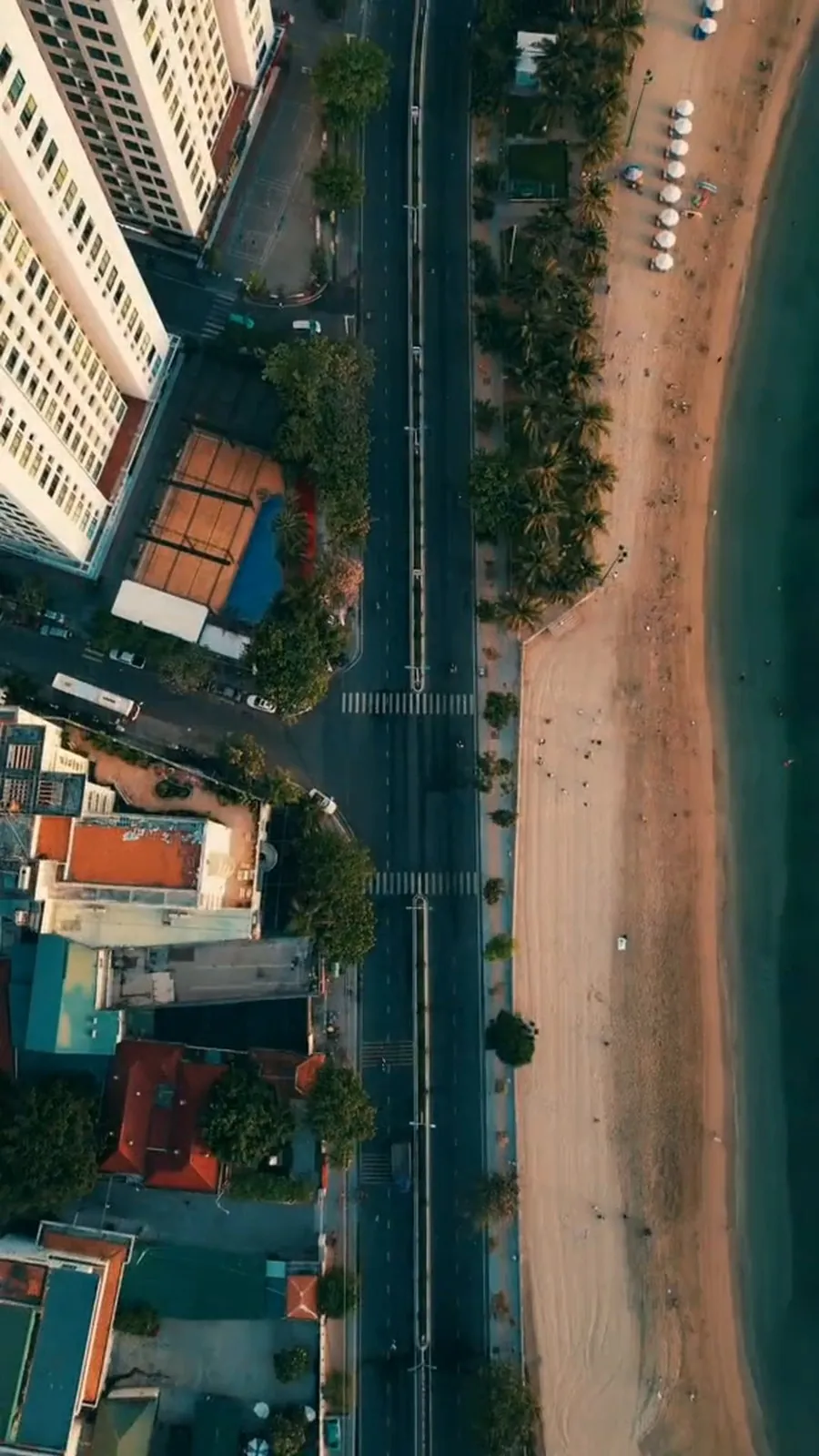
Think about timing. The weather in Vietnam does not cooperate with a single “best season.” March and April are the closest thing — the north and center are both accessible, and the south hasn’t reached its peak heat (38–40°C in April–May). Avoid Hoi An between September and November: typhoon season by region plus annual flooding turns the Ancient Town’s streets into canals. Ha Long Bay is at its best in spring (March–April) and autumn (September–October); avoid August when summer storms are frequent.
Get your e-visa sorted before you arrive. Vietnam’s e-visa costs $25 for a single entry, $50 for multiple entry, lasts 90 days, covers all nationalities, and is processed in 3–5 working days at evisa.gov.vn . Apply at least a week before your flight.
Budget honestly. Daily costs on a budget run $40–60 per person (dorm beds, local food, public transport). Midrange — private rooms, some restaurant meals, private transfers — runs $80–150/day. Neither of those numbers includes international flights or big splurges like Ha Long Bay cruises, which cost $80–250 per person for a 2-night boat.
For more on what different cities cost day-to-day, see our Vietnam cost of living guide for 2026 . If you’d rather not build any of this yourself, our Vietnam routes already cover the 7-, 10- and 14-day versions above with the flights, hotels and drivers worked out.
Frequently Asked Questions
How many days do you need in Vietnam to see the highlights? Seven days covers the core highlights: Hanoi, Ha Long Bay, Hoi An, and Hue. For a fuller picture that includes Ho Chi Minh City and the Mekong Delta, 10 days is the minimum. Fourteen days lets you slow down and add a northern side trip to Sapa or Ninh Binh.
Is 7 days enough for Vietnam? Yes — if you fly between the north and central regions rather than taking the train. A direct flight from Hanoi to Da Nang takes about 1 hour 20 minutes and saves a full travel day. Seven days works well for Hanoi, Ha Long Bay, Hoi An, and Hue, with budget costs around $350 per person excluding flights.
What is the best itinerary for 2 weeks in Vietnam? The 14-day north-to-south route is the most complete: Hanoi (2d) → Sapa or Ninh Binh (2d) → Ha Long Bay cruise (2d) → Hoi An (2d) → Hue (2d) → HCMC (2d) → Mekong Delta (1d) → optional Phu Quoc (1d). Budget cost is around $700 per person, midrange around $1,400.
Should I fly or take the train between Hanoi and Ho Chi Minh City? Fly. The Reunification Express train takes 30–35 hours between Hanoi and HCMC — a genuine overnight adventure if you have unlimited time, but not practical for a 7- or 10-day itinerary. Flights run $30–80 if booked a few weeks ahead and take under 2 hours.
What is the best time of year to visit Ha Long Bay? March to April and September to October are the best windows. Spring brings calm seas and clear skies; autumn is slightly cooler after the summer rains. Avoid Ha Long Bay in July and August — summer storms reduce visibility and can cancel cruises mid-trip.
How much money do I need per day in Vietnam? Budget travelers can manage on $40–60 per person per day, covering a private guesthouse, three meals at local restaurants, and intercity buses. Midrange ($80–150/day) gets you a 3-star hotel, some private transfers, and guided day trips. Ha Long Bay cruises and domestic flights are extra.
If you’re still figuring out which route fits your time and travel style, I’m happy to talk it through. At Vietnam Samurai Tour, we plan end-to-end trips across Vietnam — from the overnight train to Sapa to the last boat on the Mekong.
Telegram @vietnam_samurai — drop a message with your travel dates and we’ll suggest a route that actually works.