
Vietnam has no single perfect month, because the country is really three climates stacked into one long coastline. If you want one answer: March is the most reliable month to visit Vietnam in 2026 - it is dry and warm (~22-30°C) in the North, Central, and South at the same time, which almost no other month manages. The trade-off is that March sits inside international high season, so flights and hotels cost more.
I have lived in Da Nang for four years and run tours the length of Vietnam , so I have watched this play out season after season: the couple who booked Hoi An in October and spent three days watching the Thu Bon river flood the old town, and the family who came in March and got sun everywhere. Below is the month-by-month, region-by-region picture with the real numbers, not a generic “November to April is nice.”
| Region | Best months | Worst months | Typical temps |
|---|---|---|---|
| North (Hanoi, Sapa, Ha Long) | Mar-Apr, Sep-Nov | Jun-Aug (hot, wet), Dec-Feb (cold, grey) | 10-19°C winter, up to 40°C summer |
| Central (Da Nang, Hoi An, Hue) | Feb-May | Sep-Dec (rain), Oct-Nov (typhoons) | 24-31°C dry, 35°C+ Jun-Aug |
| South (HCMC, Phu Quoc, Mekong) | Nov/Dec-Apr | May-Oct (wet season) | 25-35°C year-round |
| Whole-country sweet spot | Feb-Apr (best: March) | Oct-Nov (Central floods) | 22-30°C nationwide in March |
Why does Vietnam have three different best seasons?
Vietnam stretches over 1,600 km north to south and crosses three climate zones that do not share a calendar. The North has four seasons with a cold winter; the South is tropical and hot all year; and the Central coast runs its own late rainy season that peaks exactly when the rest of the country dries out. That is why “the rainy season in Vietnam” is a misleading phrase - in the North and South it is roughly May to October, but in the Center the heaviest rain and typhoons arrive September to November, and the exact weeks to avoid shift by city, so it’s worth checking typhoon season by region before you lock in dates.

The practical result: any month you pick is great for two regions and a compromise for the third, unless you land in the Feb-April window.
When should you visit North Vietnam (Hanoi, Sapa, Ha Long Bay)?
The North is best in March-April (warm, sunny spring) and September-November (dry autumn, ~20-28°C). Autumn has the clearest skies and over 70% sunny days, which is why Ha Long Bay cruises are most reliable in October-November - in July and August typhoons can cancel departures outright.
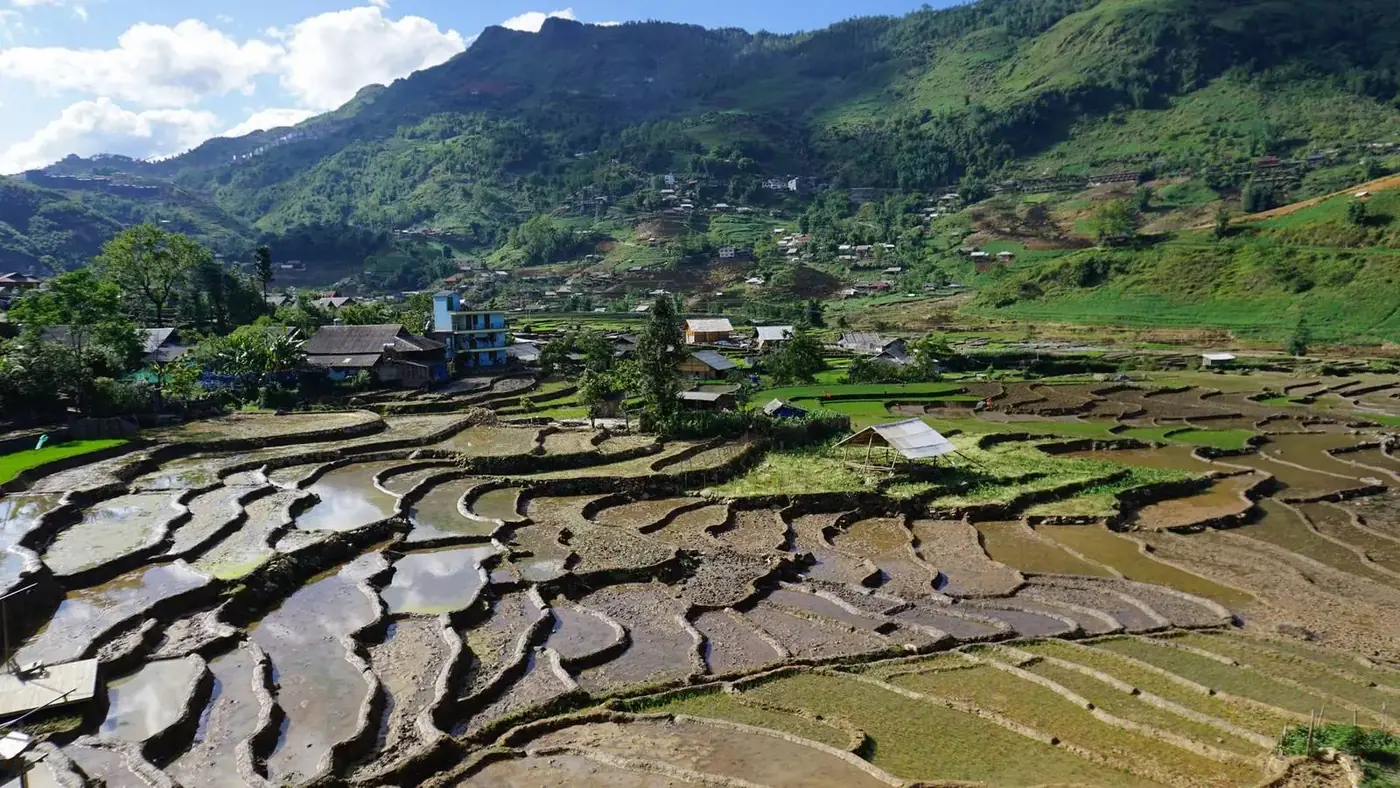
Winter (December-February) is cool and dry, with Hanoi around 10-19°C, often grey and foggy. It is fine for city sightseeing and cheaper, but Sapa and the mountains drop to 10°C or below, with rare frost on high peaks like Fansipan. Summer (May-October) is the hot, humid, wet extreme, occasionally hitting 40°C with the heaviest rain June-August. One niche tip: Sapa’s rice terraces turn gold from late September to early October, right before the harvest.
When should you visit Central Vietnam (Da Nang, Hoi An, Hue)?
Central Vietnam is best February to May, warm and dry at 24-31°C, with March-April the sweet spot before the June heat. This is the one region whose calendar is inverted, so remember it: the rain comes late.
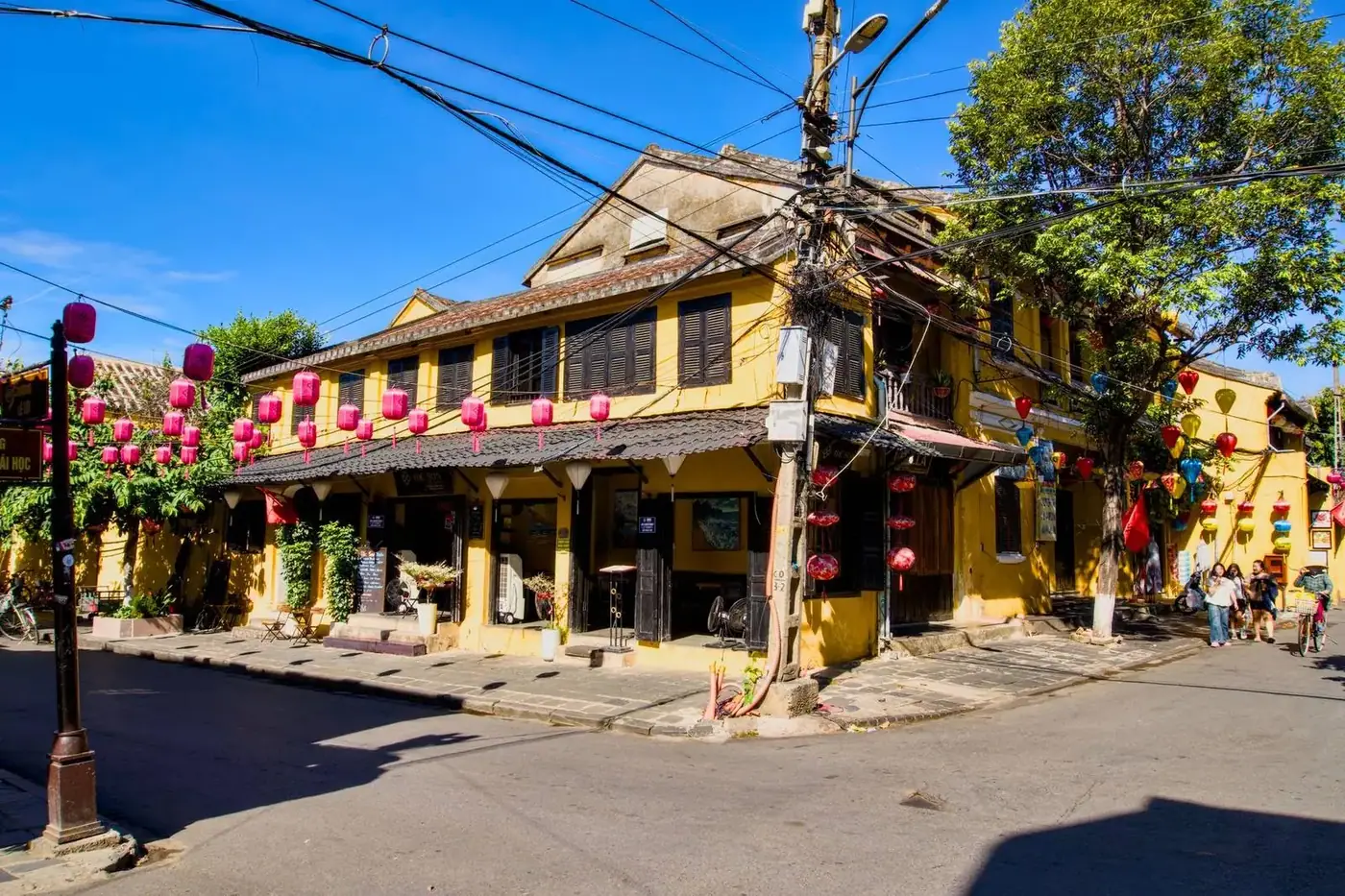
The Central rainy season runs September to December, and October is the wettest month on the Da Nang coast. Hoi An sits low on the Thu Bon river and floods regularly from October to December - I have seen boats replace scooters on the old-town streets. Typhoons hit the central coast hardest September to November. If you only want beach and sun, June-August is dry but very hot (mid-to-upper 30s°C), and it overlaps the domestic summer crowd.
When should you visit South Vietnam (Ho Chi Minh City, Phu Quoc)?
The South is best in its dry season, roughly November/December to April, hot and sunny at 25-35°C. Unlike the North, the temperature barely moves all year - the only real variable is dry versus wet.

Wet season (May-October) brings short, heavy afternoon downpours of about an hour, then it clears, so daytime travel and city visits still work fine. Phu Quoc , the South’s main beach island, is best November-April with calm seas and low humidity, while July-September is its wettest stretch with persistent heavy rain. The Mekong Delta is liveliest in the dry season, when floating markets and village paths are at their busiest.
What is the best month to see all of Vietnam in one trip?
If you are doing the classic North-to-South route, aim for February to April, and March above all - it is the only stretch that is dry and pleasant in all three regions at once, around 22-30°C nationwide. April is a close second but starts to heat up. The downside is pure supply and demand: this window overlaps peak season, so you pay more.
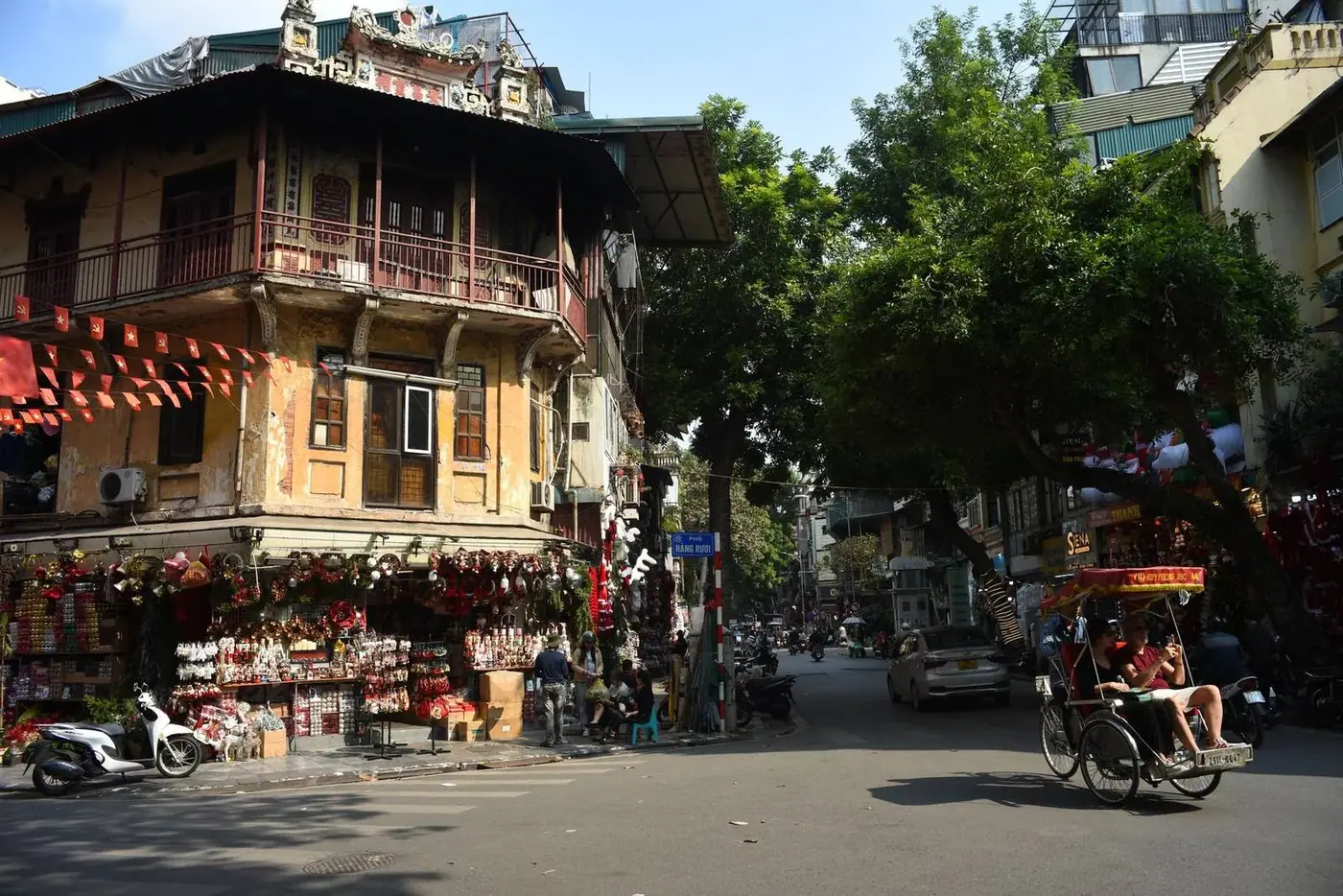
This is exactly where a multi-region Vietnam trip gets fiddly, and where I usually get involved. Timing Hanoi, Hoi An, and Phu Quoc so you are not standing in an October flood or an August downpour is a logistics puzzle more than a weather one - I build the route around the month you can actually travel, book the internal flights and cruises in the right order, and keep the whole thing moving. For the classic north-to-south sweep, our 15-day Vietnam route is already timed to avoid the worst of each region’s weather. If you tell me your dates, message me on Telegram and I will map the regions to your window.
When is Vietnam most crowded and most expensive?
Vietnam has two demand peaks. The big one is international high season, November to April, the dry winter months when hotels and attractions are busiest and priciest. The second is July-August, when Western and domestic summer holidays surge beach travel - resort prices in Da Nang and Nha Trang can rise sharply, up to about 50%.
The cheapest, quietest months are April, May, October, and November, with October often cited as the cheapest of all (the catch being Central Vietnam’s floods). One date to plan around: Tet, the Lunar New Year, falls on Tuesday 17 February 2026. For about a week around it, many businesses close, domestic transport books out, and prices spike - tourist hotels stay open, but it is a chaotic, expensive, and fascinating time to be here.
Methodology: where these numbers come from
The temperature bands and seasonal windows above are cross-source consensus ranges, not a single forecast. I cross-checked climate and travel data from Rough Guides, Lonely Planet, Vietnam’s national tourism board , regional weather services, and cruise and resort operators, and I only published a figure where at least two sources agreed. Where sources differed by a few degrees I gave a range and marked it with “~”. The Tet 2026 date is confirmed across multiple visa and travel sources; the exact public-holiday span varies year to year because Vietnam announces bridging days annually, so I have described it as “about a week around 17 February” rather than fixed dates. Snow in Sapa is possible but not annual, so I framed it as occasional frost rather than a reliable feature.
Frequently asked questions
When is the best time to visit Vietnam overall?
February to April, with March the most reliable, because it is the only window that is dry and warm across the North, Central, and South at the same time. If you are visiting just one region, the “best” month shifts - autumn for the North, spring for the Center, winter for the South.
What is the rainy season in Vietnam, and why is it different in the center?
In the North and South the wet season is roughly May to October. Central Vietnam runs its own later season, September to December, with typhoons and the worst flooding October-November - so autumn is dry in Hanoi and Saigon but stormy in Hoi An.
When is Tet 2026 and should I travel during it?
Tet, the Lunar New Year, is Tuesday 17 February 2026. Expect about a week of closures, sold-out transport, and higher prices around it. It is a vivid cultural experience, but a difficult time for a first, fast-moving trip.
Is Vietnam good to visit in October?
October is great in the North and South - dry, quieter, and often the cheapest month - but it is the worst month on the Central coast, with peak rain in Da Nang and flooding in Hoi An. Skip the center or keep it brief.
When is the best time to visit Ha Long Bay?
October-November and spring, when skies are clearest and seas calmest. Avoid July-August, when typhoons can cancel cruise departures with little notice.
When is the cheapest time to visit Vietnam?
April, May, October, and November, when crowds thin and flight prices drop. October is often the cheapest, as long as you accept the Central rain and route around it.