Nha Trang’s cable car and the beach at Bai Dai are worth the trip; the water park crowds packing the main strip are not. I’ve been organizing multi-day routes across Vietnam for three years now, and the single biggest mistake first-time visitors make is copying a “top 10” list off a travel site and ticking boxes without asking why each stop is on it.
The test I use with every guest: could you see this specific thing anywhere else in Vietnam, or is it genuinely local to this spot? Everything below passed that test.
What Are the Best Places to Visit in Vietnam on a First Trip?
For a first trip, pick one region and go deep rather than skimming three. The south centers on Nha Trang and Phu Quoc for beaches and diving. The center covers Da Nang, Hoi An, and Hue for history and food. The north is Hanoi and Halong Bay for the classic postcard scenery. Combining two adjacent regions by road, like Da Nang, Hoi An, and Hue, works better than flying between opposite ends of the country on a short trip.

Is Nha Trang Worth Visiting, or Should You Skip It?
The central beach in Nha Trang gets packed by mid-morning, and finding an empty lounge chair turns into a search. Bai Dai beach, about 20 kilometers south, stays clean and mostly empty on weekdays, and it’s where I send guests who only have one beach day. The cable car across the bay is one of the longest in the world at roughly 8 kilometers, and it’s genuinely worth the ride, but go early. By noon the line stretches past an hour.

The Long Son Pagoda, with its hilltop white Buddha statue, is free to enter and rarely crowded. Take your shoes off before the main hall. It’s one of the few temples in Vietnam you can visit without a tour group blocking the view.
Why Hoi An Deserves More Than a Day Trip
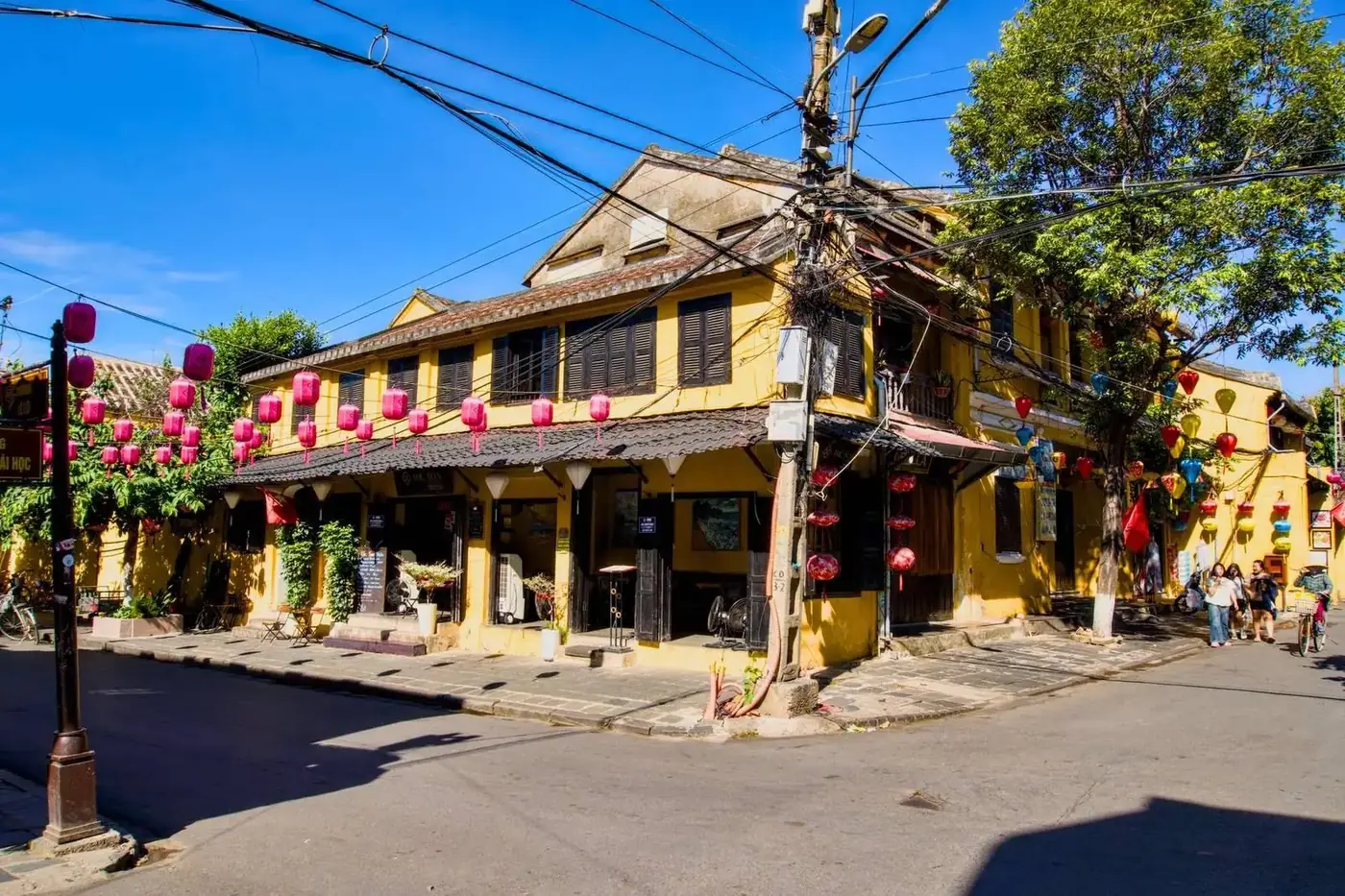
Most travelers see Hoi An as a one-hour taxi ride from Da Nang, a couple of hours under the paper lanterns, then back. That skips the version of the town that actually earns its reputation. The Old Quarter changes character after sunset, when the heat drops and the lanterns light up along the Thu Bon River. During the day it’s mostly a shopping district with a crowd. If your schedule allows one overnight stop on the trip, put it here.

How Much Does a Week in Central Vietnam Actually Cost?
A week covering Da Nang, Hoi An, and Hue runs about $500 to $800 per person for mid-range hotels, local food, and motorbike or Grab transport, not counting flights in. Street meals cost $1.50 to $3 a bowl; a sit-down restaurant dinner runs $5 to $10. A day of motorbike rental is $5 to $8, and most drivers don’t need an international license for anything under 50cc.

How to Plan a Route Without Wasting Days on Transfers
A route falls apart not from picking the wrong places, but from too many transfers between them: every extra flight or long bus ride eats a day you planned to spend relaxing. Here’s the order I actually use when I build a route around someone’s dates:
- With 7 to 10 days, commit to one region: the south with Nha Trang and Phu Quoc, or the center with Da Nang, Hoi An, and Hue.
- With 12 to 15 days, link two adjacent regions by road instead of flying; Da Nang, Hoi An, and Hue sit closer together than either does to Hanoi.
- Cap it at three cities in a week. Every extra transfer eats a day you meant to spend relaxing.
- Check seasonal weather by the actual bay or beach, not the country as a whole. The center and south get storms at different times of year, and the same beach can be calm or closed depending on the month.
Booking local excursion platforms and hotels in smaller towns from outside Vietnam is its own headache: most booking pages aren’t in English, and a foreign card gets declined at checkout often enough that you end up stuck without a confirmed room the night before you arrive. That’s the part I handle for guests directly, matching the route to their actual dates instead of a generic itinerary.
Which Region Should You Choose First?
If you want beaches and easy planning, the south with Nha Trang and Phu Quoc gives you fewer moving parts and shorter transfers. If you want history, food, and a town worth slowing down in, the center with Da Nang, Hoi An, and Hue rewards the extra logistics. Either way, pick depth over breadth on a first trip; trying to cover north, center, and south in ten days turns into a series of airports rather than a vacation.
Once you’ve picked a region, the next question is how the days connect, not what to see. We already run full routes across Vietnam built around this exact logic, region by region. For a closer look at what a few days in the center actually costs on your own, see our Da Nang and Hoi An 3-day itinerary breakdown .
If a ready-made route sounds easier than stitching one together yourself, message me on Telegram with your dates and I’ll tell you what’s realistic to cover.