
Vietnam is 1,650 km north to south, and no single trip fits all of it — the eight places below are the ones that actually earn their days. Ha Giang Loop and Con Dao are underrated (most first-timers skip both); Hoi An’s Old Town and the north end of Phu Quoc are more crowded than the postcards suggest. Below is what each place costs, how many days it eats, and an honest verdict from someone who lives here.
If you’d rather have someone else route the logistics, that’s basically what our team does — you can browse the full trip library at vietnam-tour-guide.com .
I’ve lived and guided trips across Vietnam since 2023, and this list comes from actually visiting all eight places, not from a press trip. No operator paid for a spot here, including us.
Quick Comparison: Vietnam’s Best Places by Days and Cost
| Place | Region | Days Needed | Cost to See It | Verdict |
|---|---|---|---|---|
| Ha Giang Loop | North | 3-4 days | ~2,600,000 VND (~$101) for a 3-day guided tour + 230,000-260,000 VND permit | Underrated |
| Sapa | North | 2-3 days | 850,000-900,000 VND for the Fansipan cable car round trip | Rising fast |
| Trang An (Ninh Binh) | North | 1-2 days | 250,000 VND (~$10) boat ticket | Worth the hype |
| Hoi An | Central | 1-2 days | Free to walk; small fee for some heritage houses | Overrated past 2 nights |
| Da Nang | Central | 2-4 days | 1,000,000 VND Ba Na Hills / 40,000 VND Marble Mountains | Underrated as a base |
| Phong Nha-Ke Bang | Central | 2-3 days | 250,000 VND Paradise Cave entrance | Underrated |
| Phu Quoc | South | 3-4 days | 850,000 VND (~$33) Hon Thom cable car round trip | Overrated up north |
| Con Dao | South | 2-3 days | 320,000-1,000,000 VND ferry depending on route | Most underrated |

How Do You Actually Pick Which of These to Visit?
Pick by what you have time for, not by a checklist. Four criteria decide it in practice: how many days you can realistically spend outside a beach chair, whether you’re comfortable on a motorbike or need a car, how far north you’re willing to fly domestically, and whether you want empty or social. A 10-day trip fits maybe three of these; a 15-day trip can string together one from each region without the days turning into airports.

1. Ha Giang Loop — The North’s Hardest, Best Days
Ha Giang Loop is a 3-4 day motorbike (or car-and-driver) route through karst mountains near the Chinese border, and it’s the one place on this list that first-timers skip most often in favor of Ha Long Bay. A guided 3-day tour runs about 2,600,000 VND (~$101) per person including accommodation, meals and a guide.

Since June 2026, foreign travelers need a border area permit — 230,000-260,000 VND (~$8-10), valid for 30 days — before entering the loop’s districts; most tour operators arrange this for you, but check before you book. For the full route breakdown and how it compares to a shorter alternative, see our Sapa vs Ha Giang Loop comparison .
2. Sapa — Book Ahead, It’s Getting Crowded
Sapa sits about 315 km from Hanoi (4.5-6.5 hours by road or a shorter train-plus-transfer combo) and is worth 2-3 days for the rice terraces, trekking villages, and the Fansipan cable car (850,000-900,000 VND round trip to Vietnam’s highest peak).

Agoda named Sapa Asia’s fastest-growing travel destination for 2026, up 15 spots year over year — which is good news for the town and bad news for hotel prices in peak season (September-November terrace season, or the winter fog window for photographers). Book rooms at least a month out if you’re going in autumn. More detail in our Sapa trekking and Fansipan guide .
3. Trang An (Ninh Binh) — The Day Trip That Earns Its Reputation
Trang An is a 2-3.5 hour boat ride through limestone caves and river karst about 2.5 hours from Hanoi, and it’s one of the few “must-see” spots on Vietnam’s tourist trail that’s genuinely worth the hype. The boat ticket is 250,000 VND (~$10) per person. One day covers the boat ride; two days lets you add Tam Coc or Hang Mua viewpoint without rushing either. See our Trang An vs Tam Coc breakdown if you’re choosing between the two boat routes.

4. Hoi An — Beautiful, But Not a Week-Long Stop
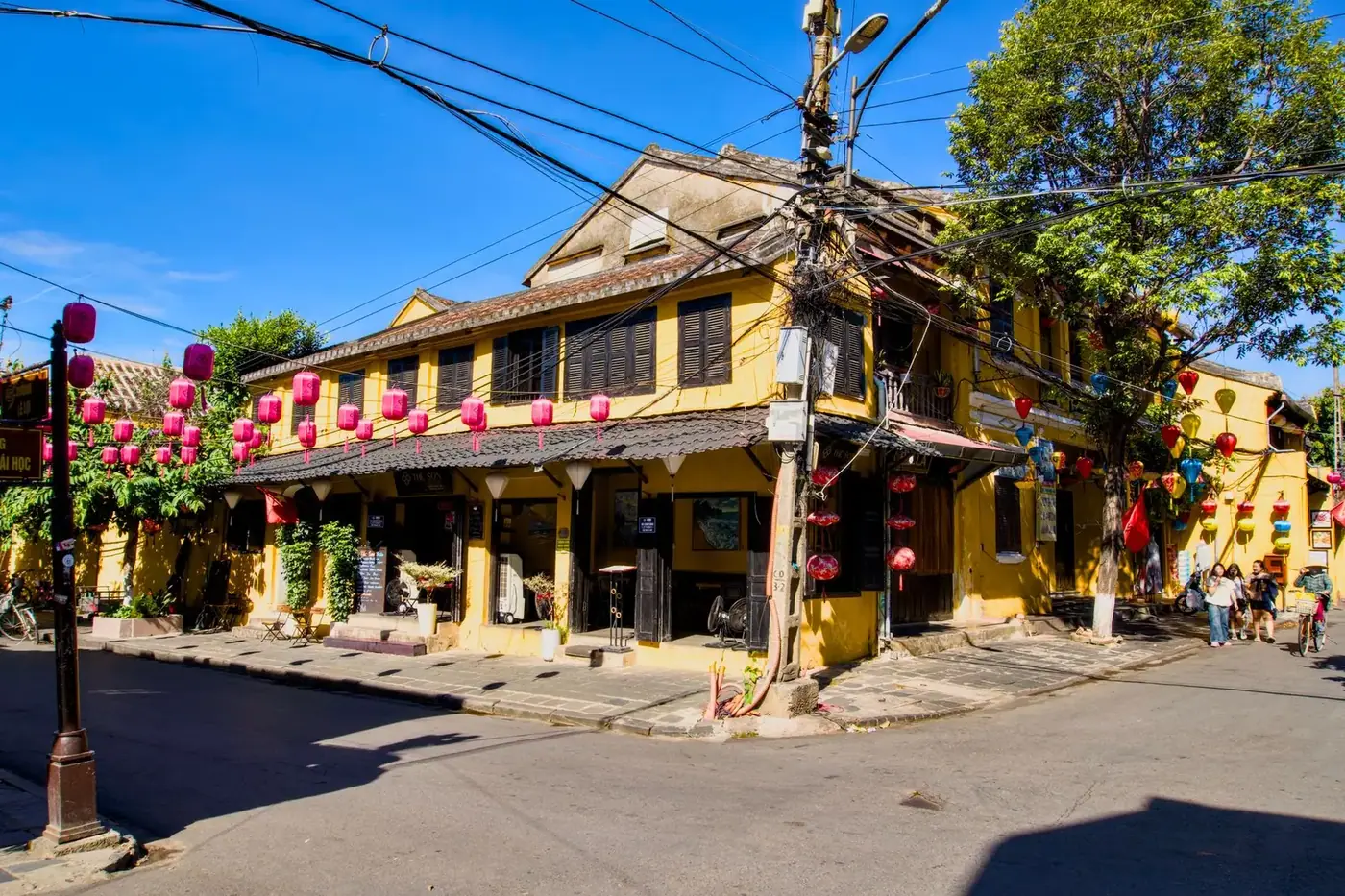
Hoi An’s lantern-lit Old Town is 30 km (40-50 minutes) from Da Nang, and it’s genuinely one of the best-looking small towns in Vietnam. It’s also, honestly, overrated as a multi-night base: the Old Town itself is a half-day walk, the tailor shops and lantern boats fill an evening, and after 2 nights most travelers are repeating the same three streets. One to two days is the right amount — more if you’re combining it with beach time at An Bang.
5. Da Nang — The Widest Day-Trip Radius in Central Vietnam
Da Nang is where our team is actually based, and it’s underrated as a standalone stay — most guides treat it as a Hoi An layover instead of a destination. From here, Ba Na Hills (1,000,000 VND, ticket now valid 3 days), the Marble Mountains (40,000 VND), and Hai Van Pass are all same-day trips, which gives Da Nang the widest single-base day-trip radius in central Vietnam. This is the city where clients usually message us first, mostly to ask which of those day trips is actually worth the ticket price versus which one to skip — happy to give you a straight answer if you message us on Telegram . Full central-Vietnam comparison in Hoi An vs Hue vs Da Nang .

6. Phong Nha-Ke Bang National Park — Skip Son Doong, Not the Park
Phong Nha-Ke Bang gets media attention mostly for Son Doong, the world’s largest cave, which runs into the thousands of dollars and books out a year ahead through a single licensed operator. What most articles skip: Paradise Cave and Phong Nha Cave alone justify 2-3 days here without touching Son Doong. Paradise Cave entrance is 250,000 VND plus a 15,000-25,000 VND electric cart fee, and most visitors spend under 2 hours actually inside. See our Phong Nha caves guide for which cave combination fits your timeline.

7. Phu Quoc — Great Island, Overcrowded North End
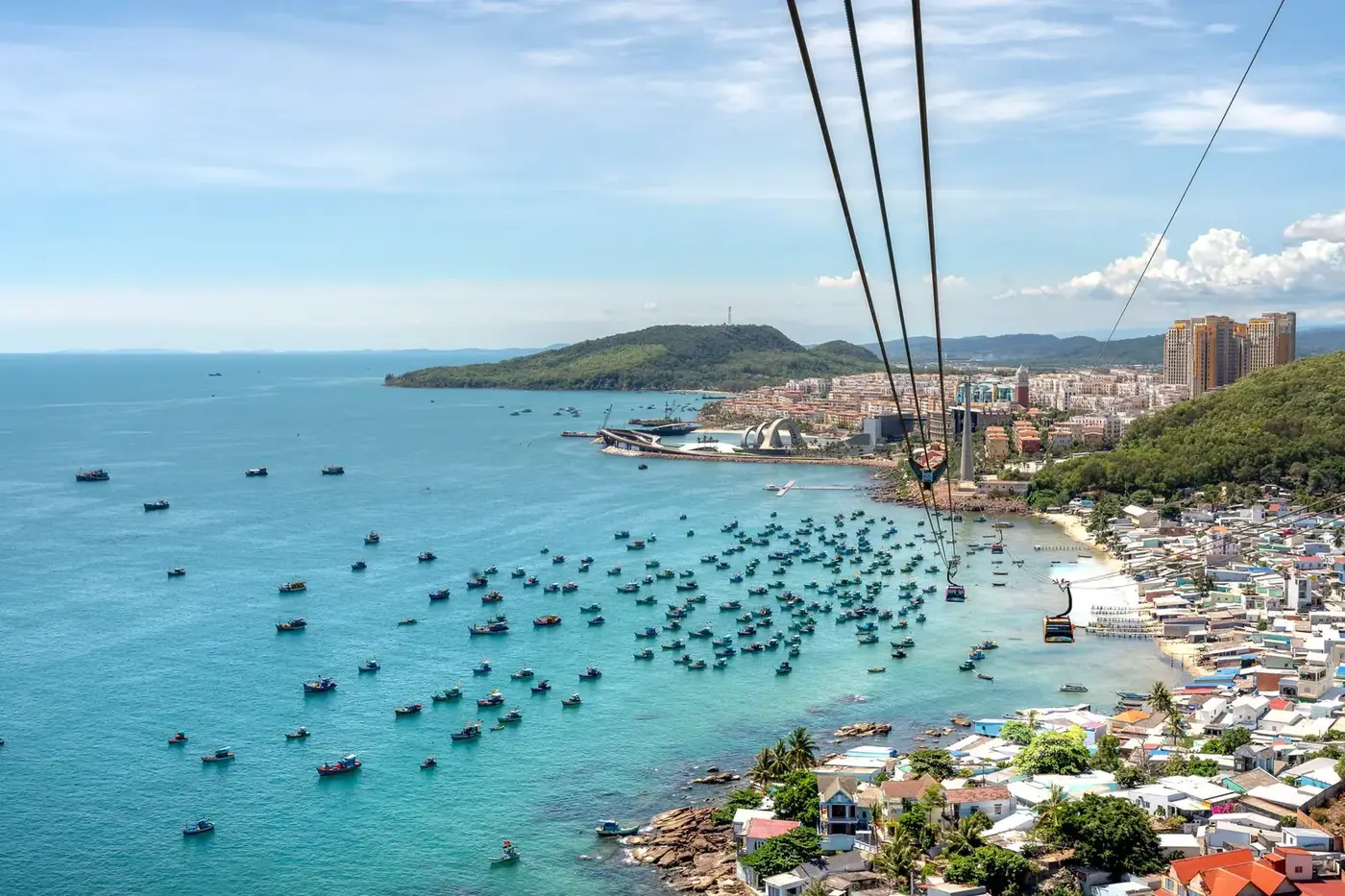
Phu Quoc is Vietnam’s largest island and one of the few places foreigners can enter visa-free — worth 3-4 days for beaches and the Hon Thom cable car (850,000 VND / ~$33 round trip, the world’s longest over-sea cable car, and a full visit runs 4-6 hours with Sun World park access included). The catch: the Long Beach and Duong Dong resort strip has gotten genuinely crowded and built-up in the past few years. The south end near An Thoi and the outer islands are the actual reason to come — worth asking your hotel or a local operator which side you’re booking before you commit.
8. Con Dao — The Most Underrated Place on This List
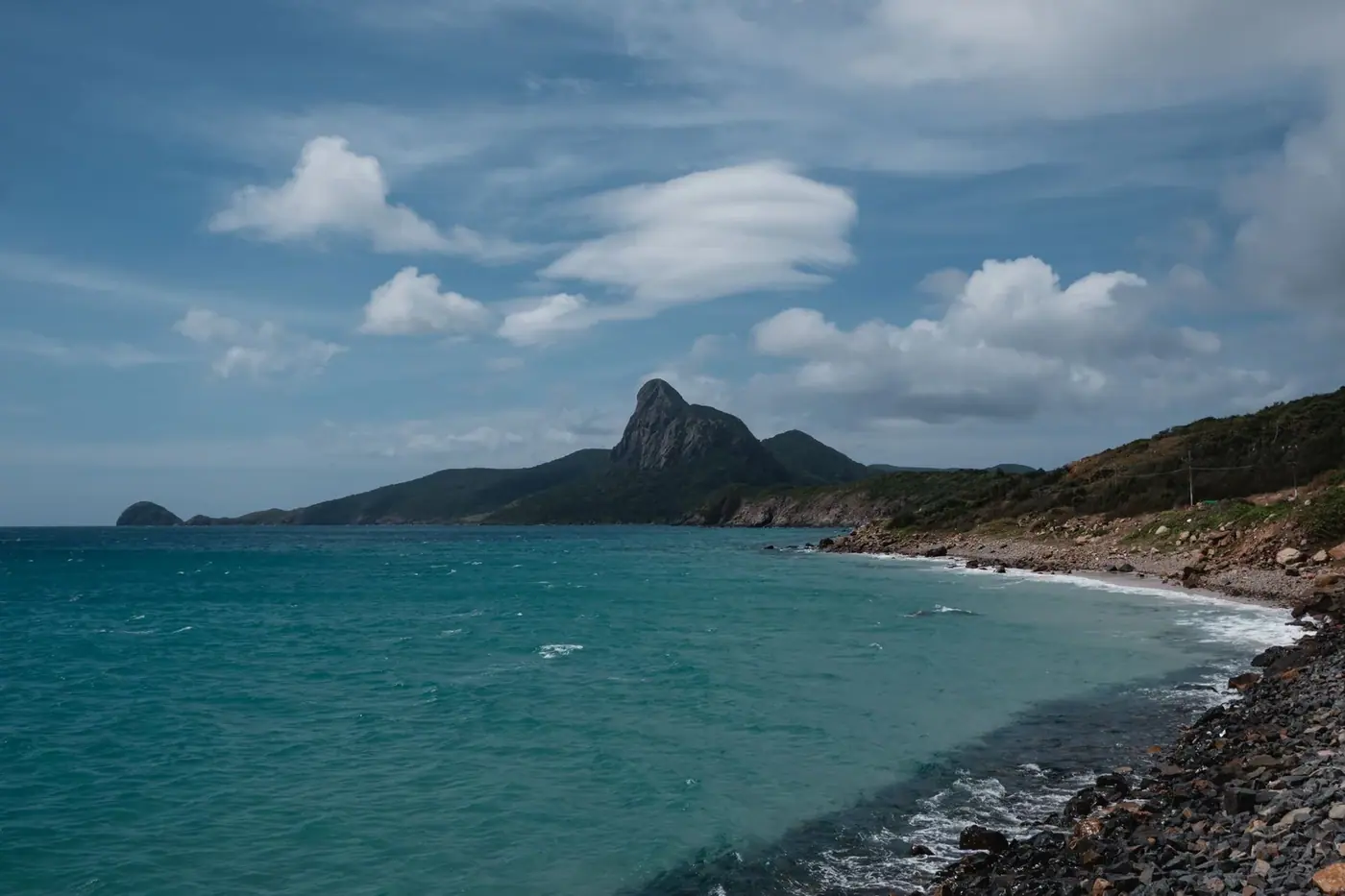
Con Dao is a former prison island turned marine conservation site (sea turtle nesting beaches, some of Vietnam’s best diving) that stays off most first-time itineraries purely because of the ferry. The high-speed route from Ho Chi Minh City takes about 4 hours 45 minutes and costs 790,000-1,000,000 VND one way, plus an 18,000 VND port fee; the Soc Trang (Tran De) route is faster at 2-3 hours and cheaper at 320,000-330,000 VND. Two to three days is enough to see both the history and the beaches. For island-to-island comparison, see Best Islands in Vietnam .
If hitting north, center and south in one trip appeals to you, that’s structurally close to our 15-day north-to-south route — it strings together one stop from each region on this list without turning your trip into a string of domestic flights.
I put this list together from actually visiting each place, not from a press kit, and I’d rather tell you Hoi An doesn’t need three nights than sell you a third night. If you want a second opinion on your specific dates, message me on Telegram — I’ll tell you honestly which of these fits the time you actually have.
Frequently asked questions
How many days do you need to see the best places in Vietnam? For three regions (north, center, south) without rushing, budget 14-16 days. If you only have 7-10 days, pick one region and go deep rather than sprinting between all three — a 10-day trip that tries north-center-south usually turns into more airport time than actual sightseeing.
What is the most underrated place to visit in Vietnam? Con Dao. The ferry cost and travel time (up to 4 hours 45 minutes from Ho Chi Minh City) keep it off most first-time itineraries, but it’s the only place on this list with both a real conservation story and genuinely empty beaches.
Do you need a permit for the Ha Giang Loop in 2026? Yes. Since June 2026, foreign travelers need a border area permit (230,000-260,000 VND, valid 30 days) before entering the loop’s districts. Most guided tours arrange it, but confirm with your operator before booking.
Is Phu Quoc or Con Dao better for a beach trip? Phu Quoc has more infrastructure and the Hon Thom cable car, but its north end (Long Beach, Duong Dong) is crowded. Con Dao is quieter and better for diving and wildlife, but costs more time and money to reach. Pick Phu Quoc for convenience, Con Dao for empty beaches.
What is the cheapest way to get to Con Dao? The ferry from Soc Trang’s Tran De port costs 320,000-330,000 VND (~$14) and takes 2-3 hours — cheaper and faster than the Ho Chi Minh City route, which runs 790,000-1,000,000 VND and takes about 4 hours 45 minutes.
Can you visit Phong Nha’s caves without a multi-day expedition? Yes. Paradise Cave and Phong Nha Cave are both accessible on a standard day-trip basis (250,000 VND entrance, under 2 hours inside Paradise Cave) — the multi-day, multi-thousand-dollar expeditions are specifically for Son Doong, a separate booking through a single licensed operator.