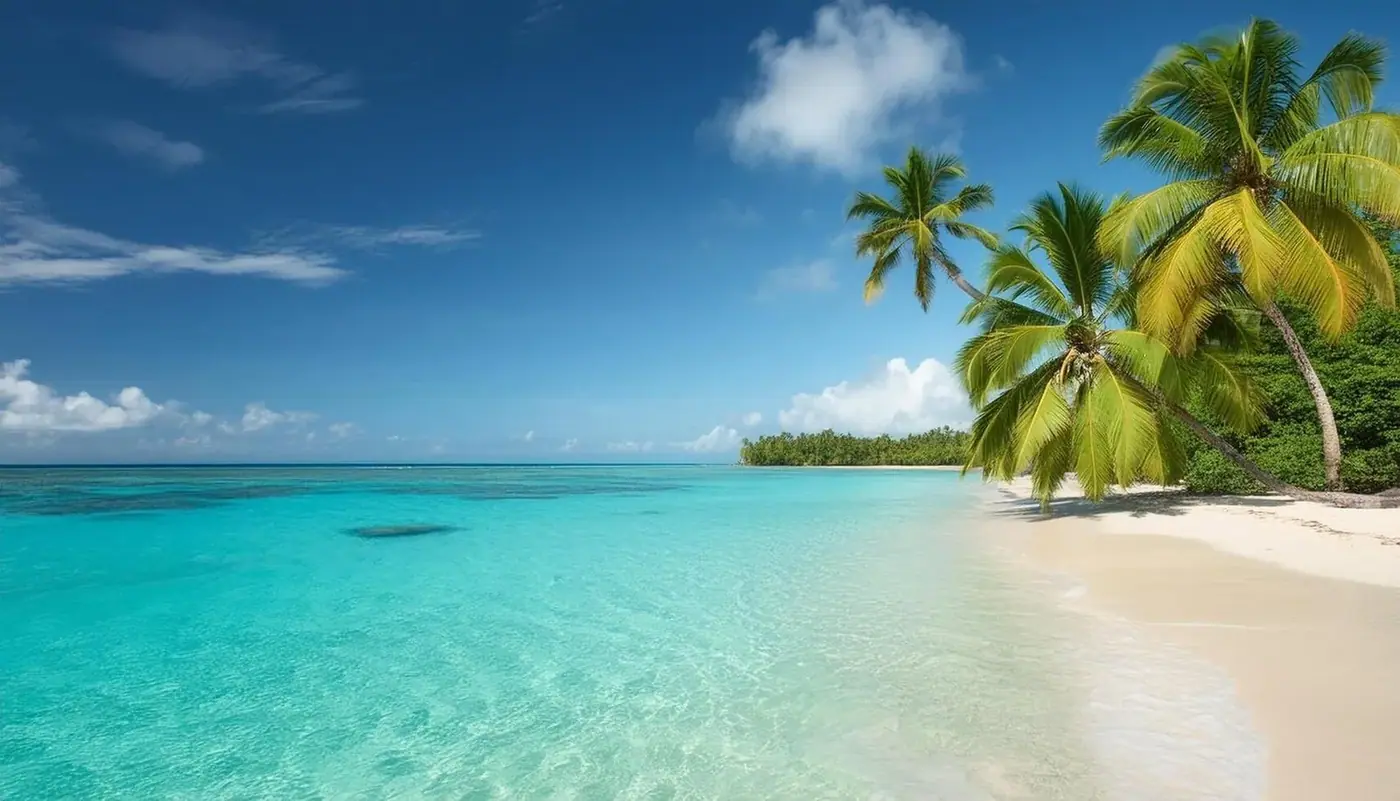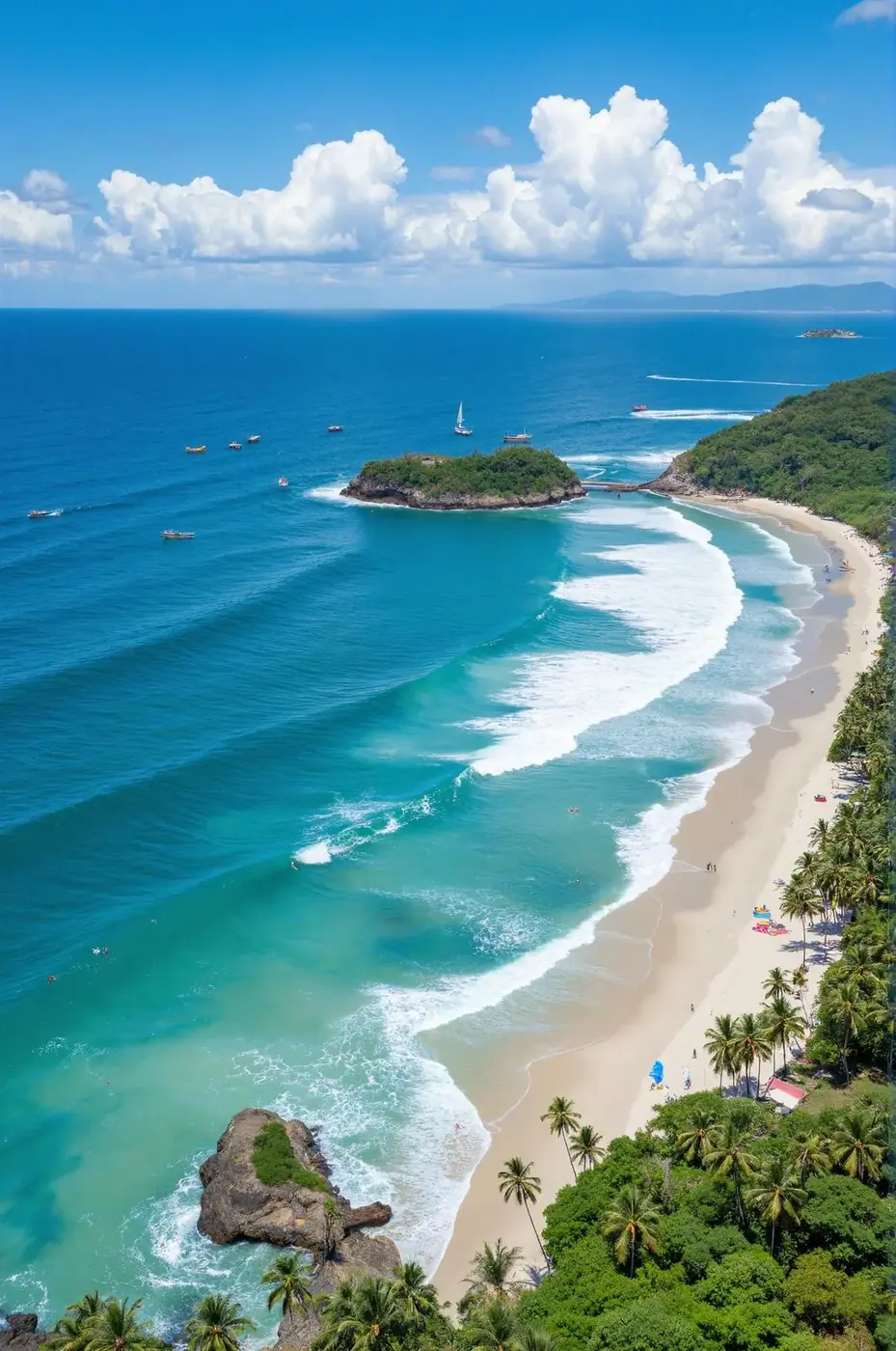
Phu Quoc is the best all-round island in Vietnam for most travelers - it has an international airport, resorts for every budget, and a 30-day visa exemption for direct arrivals of any nationality. Choose Con Dao for quiet beaches and diving, Cat Ba for northern Ha Long-style karst scenery, and Ly Son or Nam Du if you want an off-beat, barely-touristed escape. We’re local guides based in Da Nang who build island stays into wider Vietnam routes, so the picks below reflect what actually works on the ground rather than a brochure.
| Island | Getting there | Best season | Known for | Crowds | Best for |
|---|---|---|---|---|---|
| Phu Quoc | PQC airport, domestic + international flights | Nov-Apr (dry) | Resorts, Hon Thom cable car, island-hopping | Busiest, most developed | Families, first-timers |
| Con Dao | VCS airport ~45 min, or ferry ~2h from Tran De | Mar-Sep (dry) | Wild beaches, diving, turtle nesting | Very quiet | Couples, divers |
| Cat Ba | Ferry/speedboat/cable car from Hai Phong | Sep-Oct (clearest) | Lan Ha Bay, karst kayaking, national park | Busy in summer | Kayakers, northern trips |
| Ly Son | High-speed boat ~30 min from Sa Ky Port | Jun-Sep (water); Dec-Feb (mild) | Volcanic “Garlic Kingdom”, off-beat | Very local | Raw, cultural travel |
| Nam Du | Ferry ~2.5h from Rach Gia | Dec-Apr (calm seas) | 21-island archipelago, fishing villages | Off the beaten path | Quiet DIY beach trips |
Which Vietnam island is best for a first trip?
For a first trip, Phu Quoc is the safest choice because it removes the friction that trips up newcomers: it has an international airport, a direct-arrival 30-day visa exemption, and resorts across every budget. Con Dao is the runner-up if you already dive or want quiet, but its ferries and remote access suit a second visit better.
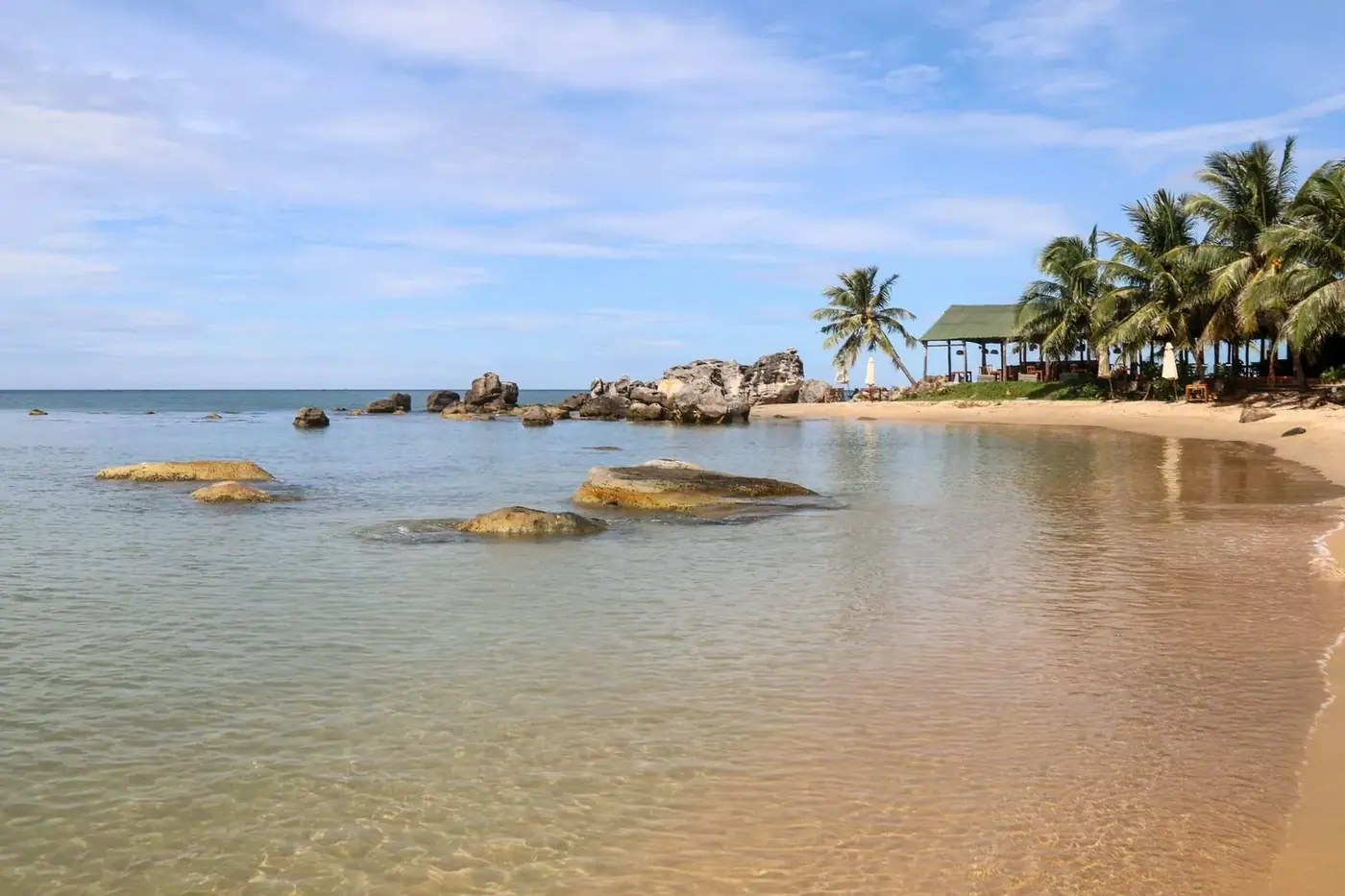
Phu Quoc - Vietnam’s biggest resort island
Phu Quoc is the easiest island to reach and the best pick for families and first-time visitors. It has its own international airport (PQC) with domestic flights from Ho Chi Minh City, Hanoi, Da Nang and Nha Trang (roughly $30-70 one way) plus routes from Bangkok, Singapore, Seoul and Taipei (about $250-450). The dry, calm-sea high season runs November to April.
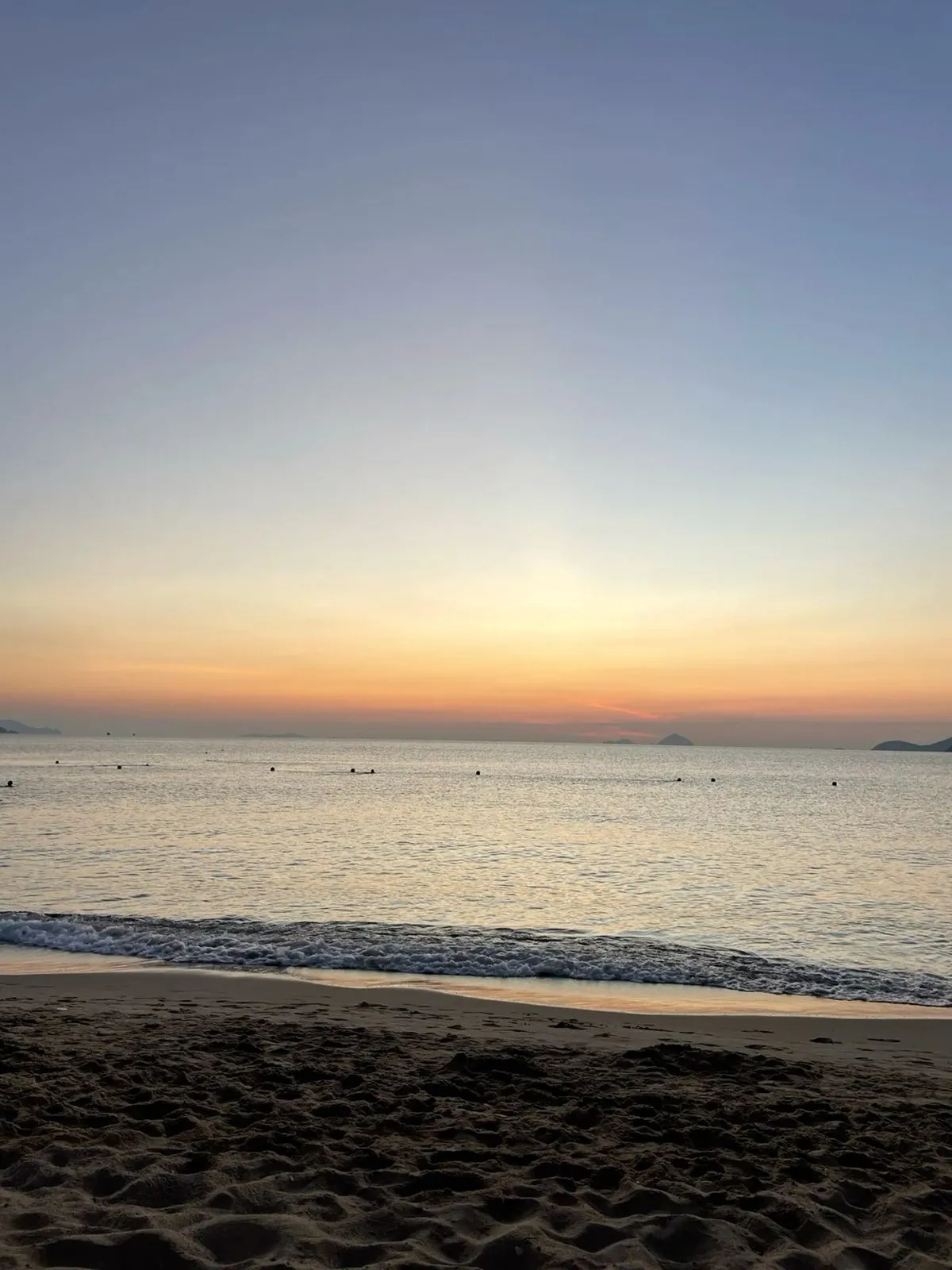
Travelers who arrive directly from abroad on an international flight or cruise get a 30-day visa exemption regardless of nationality, provided their passport is valid 6+ months. This is separate from Vietnam’s mainland 45-day exemption; if you reach Phu Quoc via the mainland by domestic flight or ferry, your nationality’s standard visa rules apply instead. Sao Beach (Bai Sao) is the most photographed stretch - around 2.5 km of white sand about 25 km from Duong Dong Town (30-40 minutes, roughly 300,000-400,000 VND / $12-17 by taxi). The Hon Thom cable car holds the Guinness World Record as the world’s longest three-wire sea-crossing cable car at 7,899.9 meters, a 15-minute ride over the An Thoi archipelago. The trade-off: Phu Quoc is the most developed and tourist-heavy island here, so it feels lively rather than remote.
Con Dao - quiet beaches, diving and turtle nesting
Con Dao is the quiet counterpoint to Phu Quoc: pristine wild beaches, strong dive sites and a slower pace. Reach it by 45-minute flights to Con Dao Airport (VCS) from Ho Chi Minh City and Can Tho on VASCO, plus VietJet from Hanoi. The fastest ferry runs from Tran De (Soc Trang) in about 2 hours (Eco ~390,000 VND / $15, VIP ~590,000 VND / $23); a slower budget ferry from Vung Tau takes 4-6 hours.
The best season is the March-September dry period, with calm seas and good dive visibility; November to February brings monsoon swells of 1-2 m and roughly 20-30% ferry cancellations. Sea-turtle nesting season runs from about May to October, peaking June to September, which is a major draw alongside the scuba diving, wrecks and the island’s French and American-era prison history. Con Dao suits couples, divers, and nature and history lovers over anyone chasing nightlife. The catch is cost and access: options are fewer and pricier, from Six Senses down to modest guesthouses, because the island is genuinely remote.
Is Phu Quoc or Con Dao better?
For a first Vietnam island trip, Phu Quoc wins on convenience - more flights, more resorts, easier logistics and the direct-arrival visa perk. Con Dao wins on atmosphere for anyone who values empty beaches, diving and calm over choice. Both sit in the south, but their peak seasons differ slightly: Phu Quoc is best November-April, Con Dao March-September.
Put simply, Phu Quoc is the all-rounder and Con Dao is the specialist. A family with kids or a couple wanting variety, dining and activities will get more from Phu Quoc. Divers, honeymooners and travelers who’d rather see turtles than tour buses should book Con Dao and time the trip for the dry, calm window. Island seasons and ferry timings are the part most people get wrong when planning - a Con Dao ferry cancelled by winter swell can wreck a tight itinerary, and matching north-versus-south weather to your dates isn’t obvious from a single search. This is the part we handle for travelers: we’re locals who build these islands into a wider Vietnam route so the connections and seasons line up. All that takes from your side is the islands you’re weighing and a rough date range - the ferry, flight and season windows get mapped in around that.
Cat Ba - northern karst and Lan Ha Bay
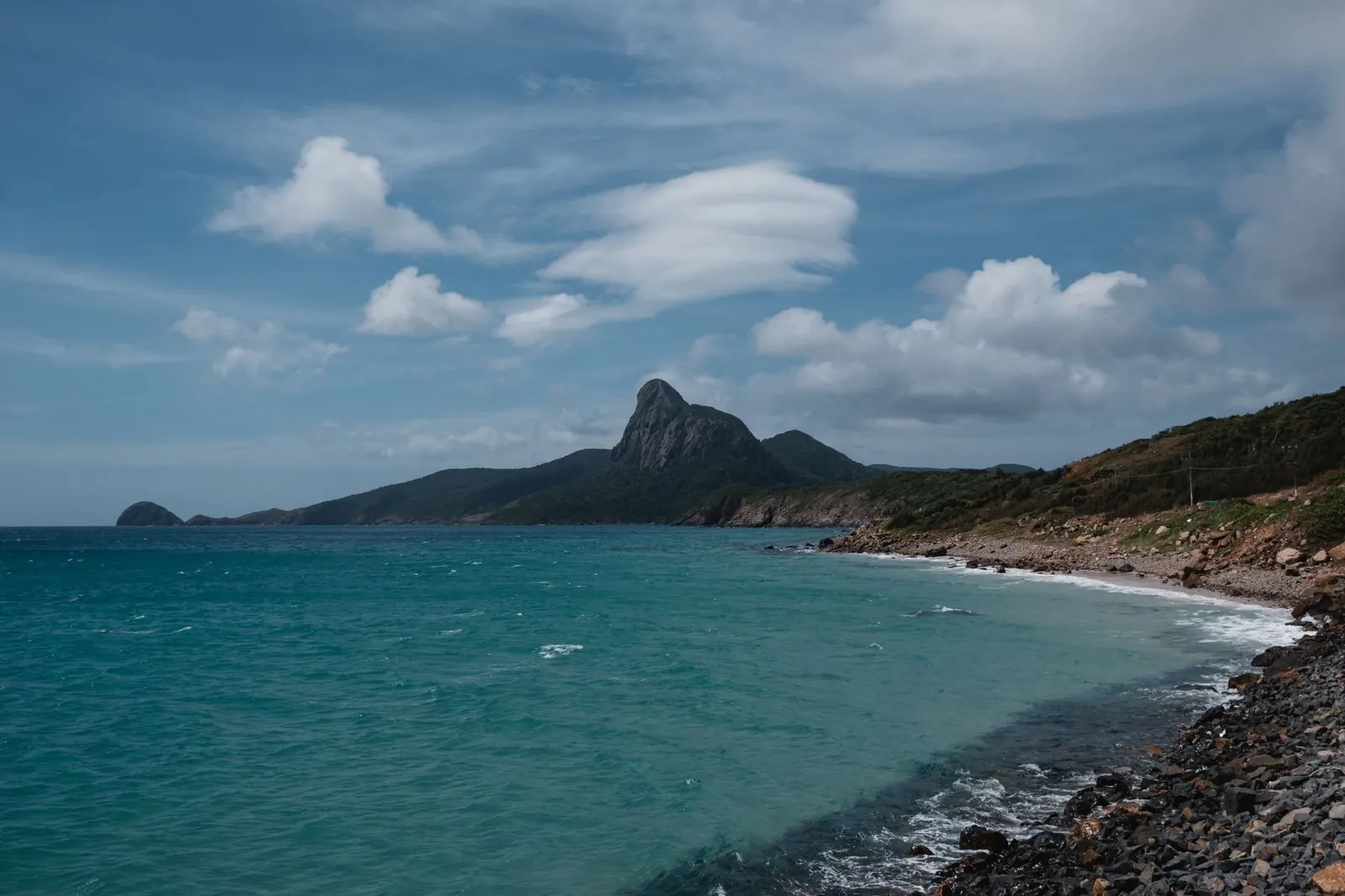
Cat Ba is the north’s answer to island travel and the gateway to Lan Ha Bay, a quieter neighbor of Ha Long Bay. It’s reached from Hai Phong by ferry, by speedboat (Binh Port, ~60-70 minutes, ~250,000 VND), or by the Cat Hai-Phu Long cable car, which crosses Lan Ha Bay in 8-15 minutes for about 50,000 VND one way (~100,000 VND return). There’s no airport.

The island draws visitors for kayaking among limestone karsts, hiking in Cat Ba National Park and swimming at the Cat Co beaches. Season is the key thing to get right here, because it’s the opposite of the southern islands: Cat Ba peaks in summer (May-August) but suffers July-August typhoon season and heavy rain (August averages around 280 mm), while autumn (September-October) delivers the clearest skies and calmest seas. It’s budget-friendly, with low-season hostels around 150,000 VND ($6), and busy in summer as a northern-Vietnam favorite. Come for the bay scenery more than the beaches themselves.
Ly Son - volcanic “Garlic Kingdom”
Ly Son is the choice for raw, undeveloped and culturally local travel, with almost no big resorts. It’s reached only by high-speed boat from Sa Ky Port in Quang Ngai - about 30 minutes for roughly 203,000 VND ($9) one way, with Sa Ky sitting about 22 km from Quang Ngai city.
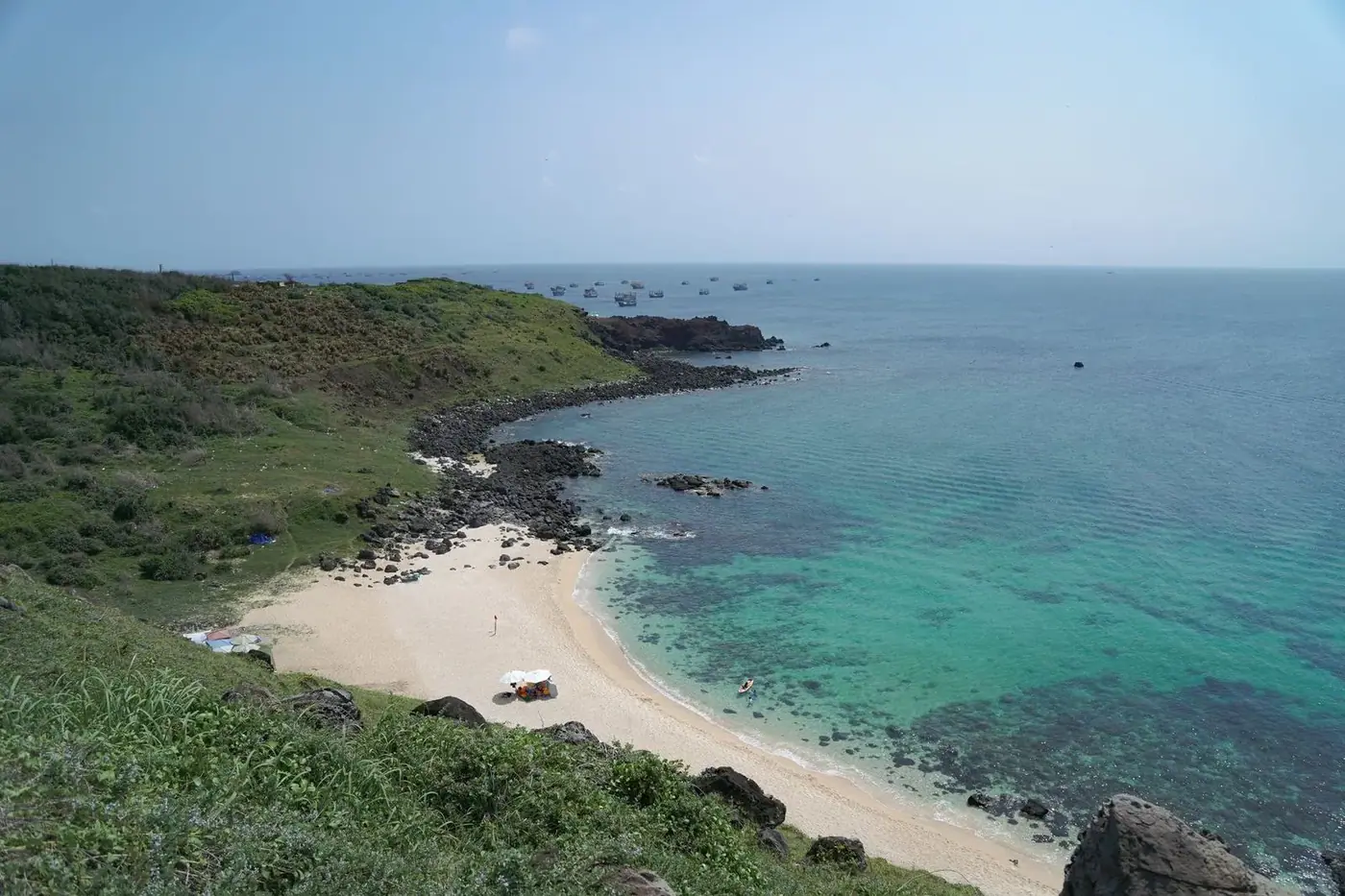
This is a volcanic island, formed 25-30 million years ago from five calderas, and it’s famous as Vietnam’s “Garlic Kingdom.” The rugged volcanic coastline, spots like Hang Cau and nearby Be Island, and a strong local identity are the appeal rather than manicured resorts. Best weather for water activities is June to September, while December to February is mild and coincides with the garlic harvest - a good window if you care more about culture than swimming. Crowds are overwhelmingly domestic, with few foreign tourists, and infrastructure is basic homestays. Come prepared for minimal tourist polish; that’s precisely the point.
Nam Du - off-beat archipelago near Phu Quoc
Nam Du is a peaceful, off-the-beaten-path pick for DIY beach trips. The archipelago of 21 islands (11 inhabited) sits about 75 km from Phu Quoc and is reached by a 2.5-hour Superdong or Hoa Binh ferry from Rach Gia in Kien Giang, costing roughly 200,000-250,000 VND ($9).
It’s best visited December to April for calm turquoise seas; avoid the July-September rainy peak. Expect fishing villages, untouched sandy beaches, clear water good for snorkeling, seafood, and a tall lighthouse on Hon Lon - often described as a miniature Ha Long. Accommodation is budget guesthouses and homestays, and weekenders are mostly domestic. Nam Du works well for travelers who want quiet and don’t mind basic facilities.
How to choose the right Vietnam island for your trip
Start with the season and where it falls in the country. Northern Cat Ba peaks in summer (best skies September-October), while southern Con Dao and western Phu Quoc and Nam Du are best in the November/December-April dry season. Match the island to your travel dates before anything else, or you’ll fight the weather.
Then weigh three more criteria. Access: only Phu Quoc (PQC) and Con Dao (VCS) have airports, while Cat Ba, Ly Son and Nam Du are ferry or boat access only - factor in cancellation risk in rough months. Style: resort comfort points to Phu Quoc; off-beat and local points to Ly Son or Nam Du; northern karst scenery points to Cat Ba. Traveler type: families and first-timers fit Phu Quoc, divers and couples fit Con Dao, and independent budget travelers fit the ferry-only islands. Most of our clients treat an island as one leg of a bigger loop rather than the whole trip - our Vietnam routes show how that usually gets built.
If you’d rather not stitch flights, ferries and seasons together yourself, that’s exactly what we do - message us on Telegram and we’ll build the island leg into a route that flows. For planning the wider trip, our guide to the best Vietnam itineraries for 7, 10 and 14 days shows how these islands slot into a full journey, and if beaches are your priority, the best beaches in northern, central and southern Vietnam breaks down where the sand is best by region.
Frequently asked questions
Do islands other than Phu Quoc get the same visa-free entry Phu Quoc offers?
No. Phu Quoc’s exemption is specific to that island and to arriving there directly. Reaching Con Dao, Cat Ba, Ly Son or Nam Du means entering Vietnam through the mainland first, so the standard national rules apply - either an e-visa (US$25 single entry, US$50 multiple entry, valid up to 90 days) or, for eligible nationalities, Vietnam’s 45-day visa exemption, which as of mid-2026 covers 25 countries including most of the EU, the UK, Japan, South Korea and Russia.
Which Vietnamese island is the quietest and least touristy?
Ly Son and Nam Du are the quietest, with mostly domestic visitors and few foreign tourists. Nam Du is a 21-island archipelago reached only by a 2.5-hour ferry from Rach Gia, while Ly Son is a volcanic island with basic homestays and no big resorts.
Is Phu Quoc or Con Dao better for a holiday?
Phu Quoc suits families and first-timers with more flights, resorts and activities. Con Dao suits divers and couples who want empty beaches and calm; its dry season is March-September, with sea-turtle nesting from May to October.
Which Vietnam island is easiest for an older traveler or someone who gets seasick on a ferry?
Phu Quoc and Con Dao both have their own airports, so you can skip a rough sea crossing entirely and fly straight in. Cat Ba, Ly Son and Nam Du are ferry-or-boat only, which suits confident travelers more than anyone who’d rather avoid open water.
When is the best time to visit Vietnam’s islands?
It depends on the region. Southern Phu Quoc, Con Dao and Nam Du are best in the November/December-April dry season, while northern Cat Ba peaks in summer with the clearest, calmest conditions in September-October.
What happens if your flight or ferry to Con Dao gets cancelled?
If a flight or the fast ferry from Tran De falls through, the slower ferry from Vung Tau is the fallback option, though it takes noticeably longer. Building a spare day around the crossing to Con Dao is worth it in the monsoon window, when cancellations are more common.