Vietnam’s best dive and snorkel spots split by what you want: Con Dao has the best-preserved reefs and 20-30m visibility March-September, Phu Quoc’s An Thoi archipelago has the cheapest two-tank dives at $65-90, and Nha Trang’s Hon Mun is the easiest to reach but scuba tanks have been restricted there since 2022. I’ve taken groups to three of these five spots over the past few years, and the honest answer is that no single island wins on everything — it depends on your certification level, your dates, and how far you’re willing to travel from your base city.
Vietnam Dive and Snorkel Spots Compared
| Spot | Best season | Visibility | Skill level | Typical price |
|---|---|---|---|---|
| Hon Mun (Nha Trang) | Mar-Sep, peak Jun-Jul | 10-15m | Beginner snorkel only | ~$1 entry + tour |
| Con Dao | Mar-Sep | 20-30m | Beginner to advanced | $40-100/trip |
| An Thoi (Phu Quoc) | Nov-Apr, peak Dec-Mar | 15-20m (5-10m Jul-Sep) | Beginner to intermediate | $65-90 two-tank |
| Cu Lao Cham (Hoi An) | Late Mar-Aug, peak Jun-Aug | 15-25m | Beginner-friendly | Varies by operator |
| Whale Island (Hon Ong) | Mar-Aug | Not consistently documented | Beginner to advanced | Varies by operator |
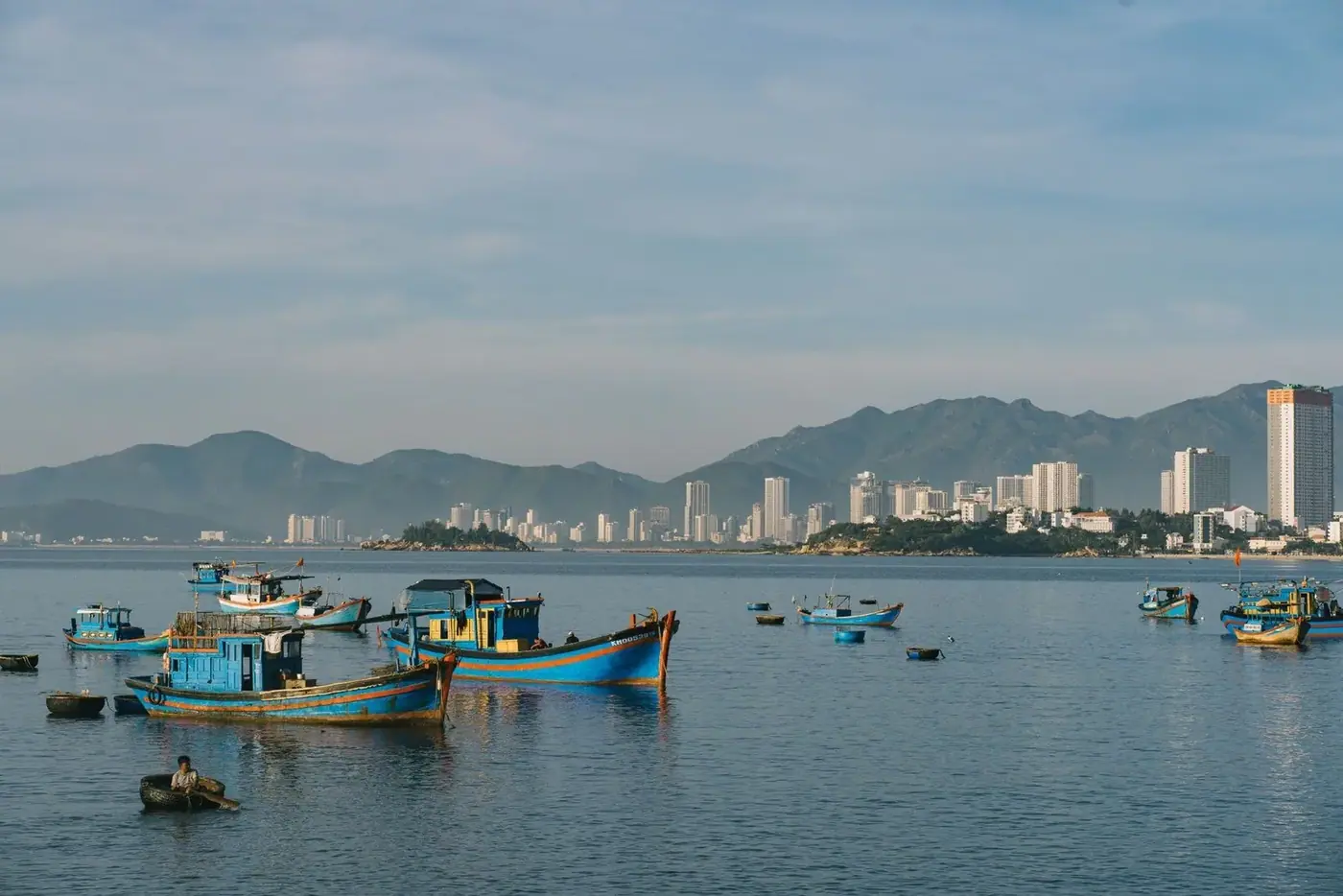
Nha Trang and Hon Mun: Vietnam’s Easiest Beginner Base
Hon Mun sits inside the Nha Trang Bay Marine Protected Area, a 15-20 minute boat ride from the city — the most convenient spot on this list if you’re not building a whole trip around diving. Visibility runs 10-15m, best from March to September with the clearest water in June and July.
Nha Trang itself is Vietnam’s main dive hub, with 20+ operators and direct flights from Ho Chi Minh City in about an hour. The catch: this is where most first-timers try Vietnam diving because Nha Trang is easy to reach, cheap to fly into, and has the country’s densest cluster of PADI-affiliated dive centers for a Discover Scuba session (around $70) or a full Open Water certification ($350-400 over 3-4 days).
Is Diving Still Allowed at Hon Mun in 2026?
Tank diving at Hon Mun has been officially restricted since the Nha Trang Bay Management Board suspended it on 27 June 2022, after surveys found coral cover had dropped from roughly 60% to 50% in two years. Only mask-and-goggle swimming in designated snorkel zones is confirmed open as of the most recent reporting.
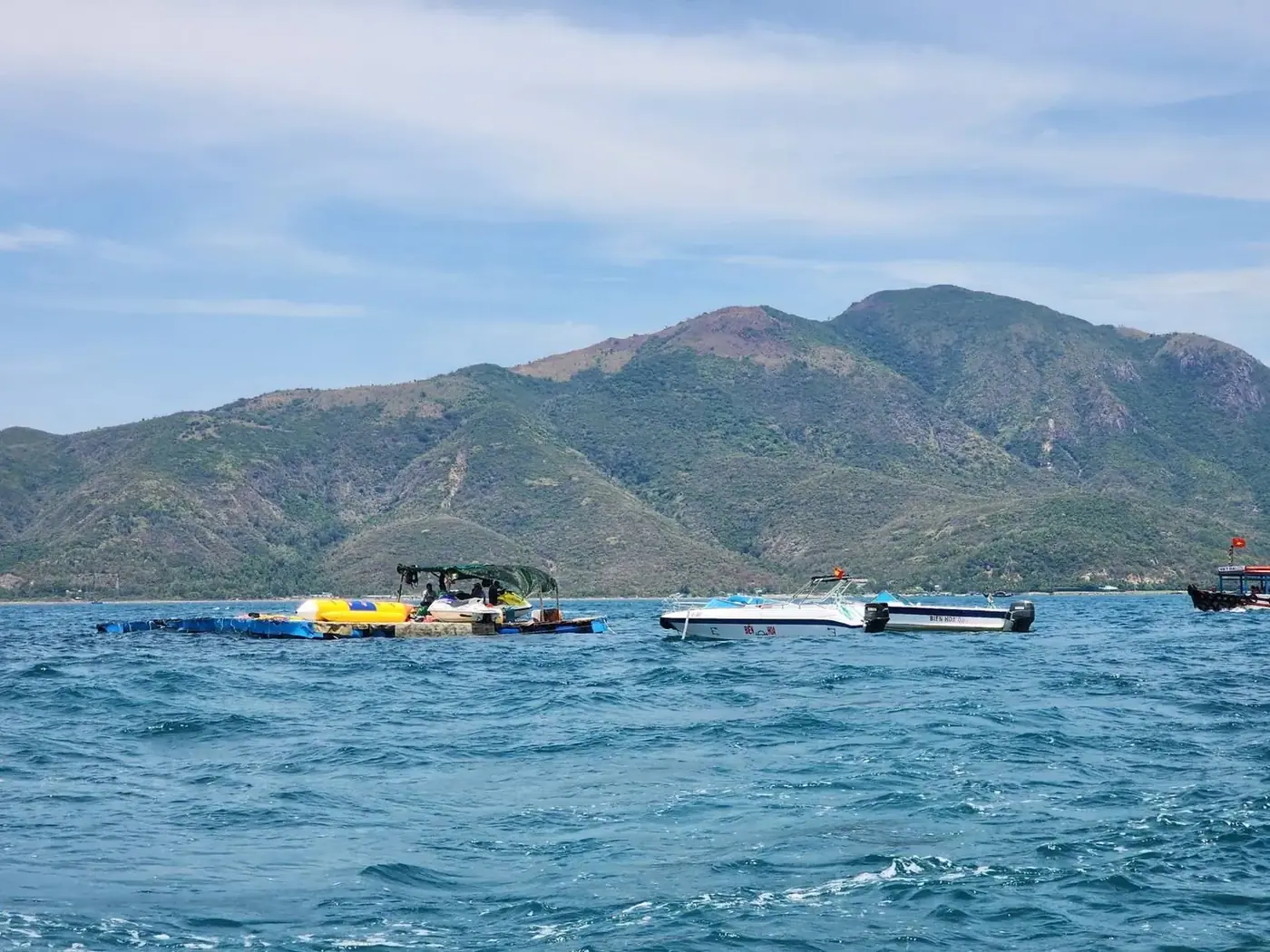
I’d call ahead or check with a local operator before booking a tank dive here, since the restriction has already run longer than most people expected. The marine reserve entrance fee is about 22,000 VND ($0.90) for adults. Nha Trang is also a stop on our 12-day center-and-south route , if you’d rather fold a dive day into a longer trip than book it standalone.
Con Dao: The Best-Preserved Reefs in Vietnam
Con Dao National Park covers roughly 20,000 hectares of land and marine area and holds over 400 coral species, more than any other spot on this list, because it stayed a former prison island off-limits to mass tourism until the 1990s. Visibility hits 20-30m in the March-September dry season, and dive or snorkel day packages run $40-100 depending on the operator and number of dives.
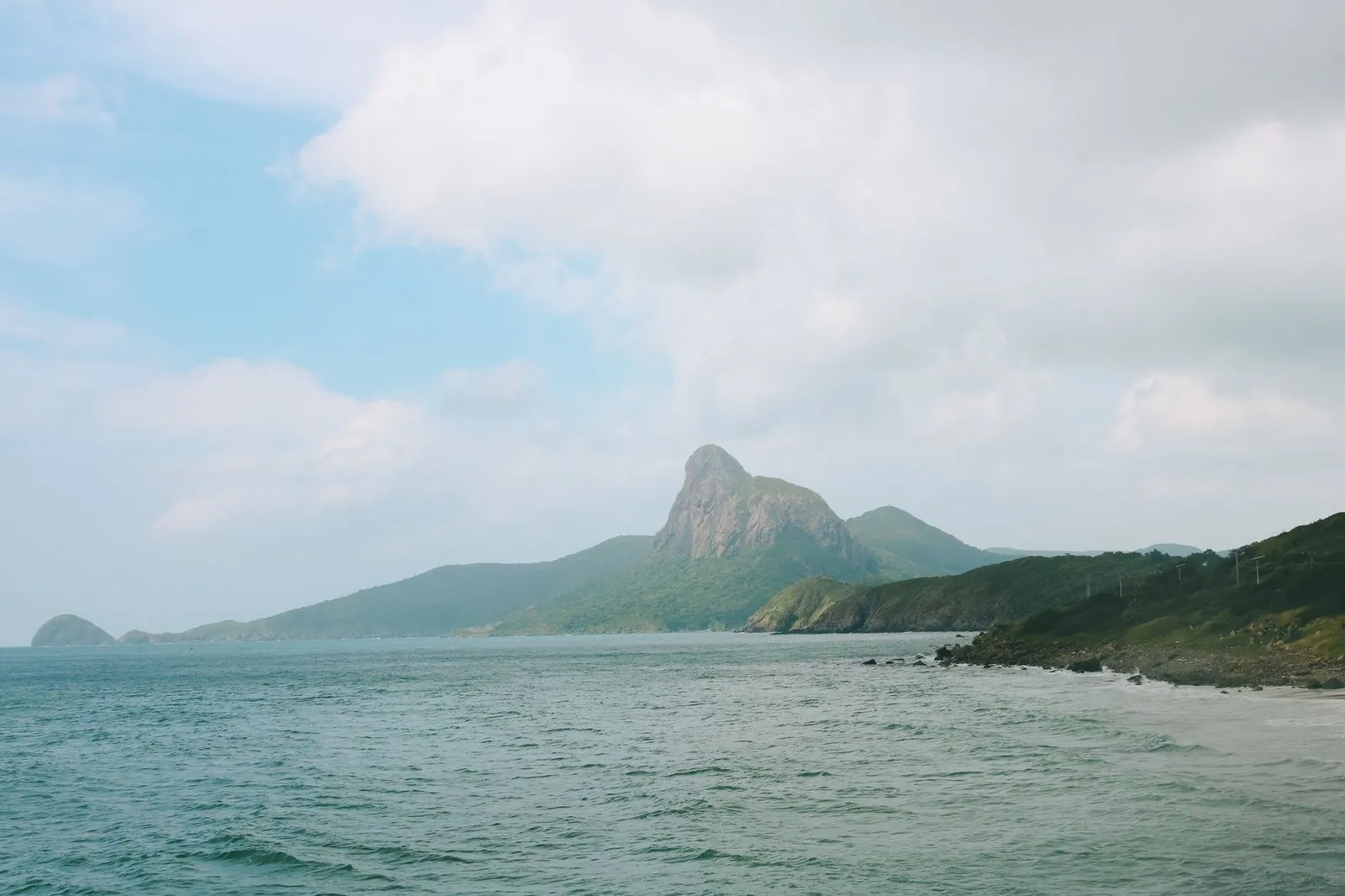
The tradeoff is access: Con Dao is a short flight from Ho Chi Minh City or Can Tho, not a day trip from anywhere else on this list, so it works best as its own 2-3 day stop rather than an add-on.
Phu Quoc’s An Thoi Archipelago: The Cheapest Two-Tank Dives
An Thoi, the cluster of islands off the south tip of Phu Quoc, has 15+ dive sites reachable in 30-45 minutes by boat. A two-tank fun dive typically runs $65-90 all-inclusive — 40 to 60% cheaper than a comparable dive in Thailand or the Philippines.
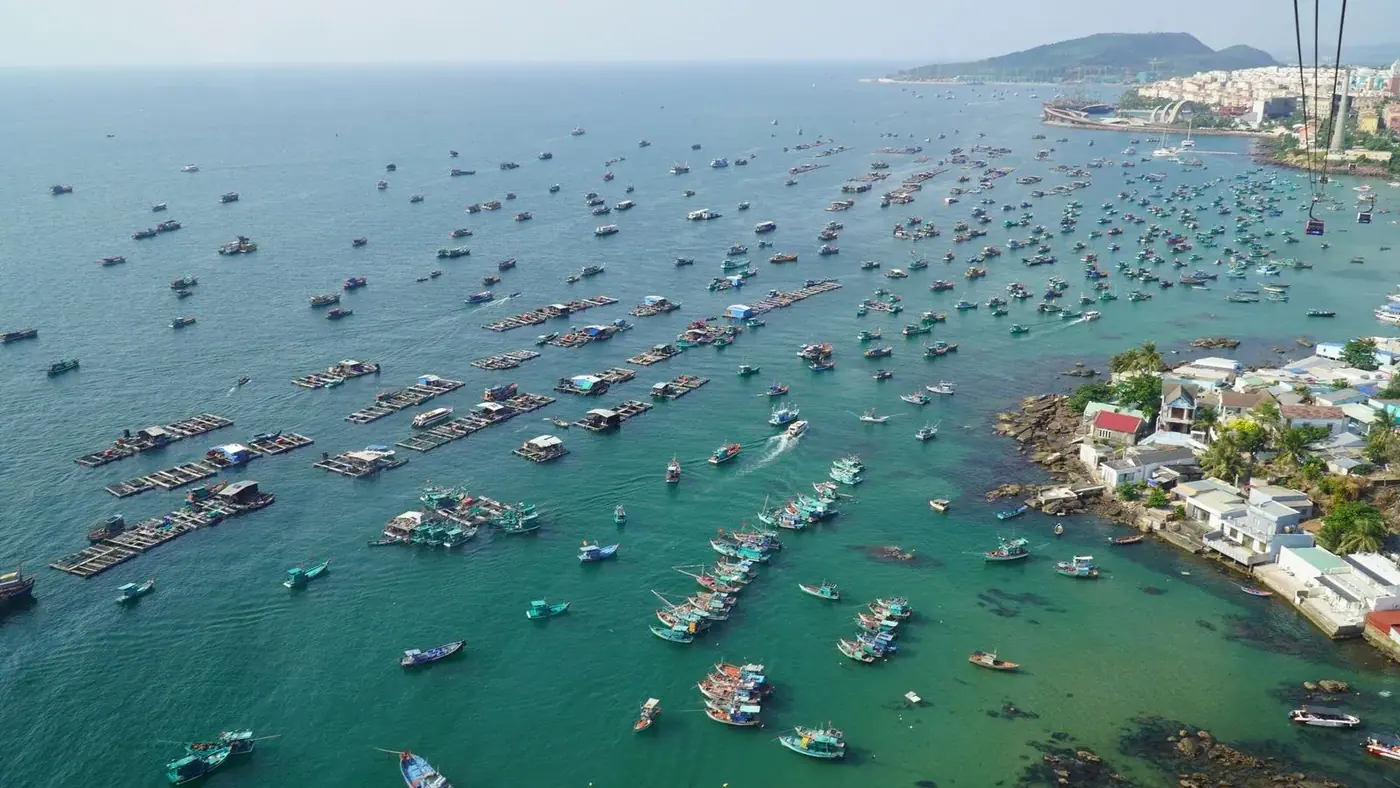
Best months are November to April, peaking December through March; visibility drops to 5-10m in the July-September rainy stretch — see when the rainy season hits each region if you’re weighing dates — so that window is worth avoiding if diving is the main reason for the trip.
Phu Quoc doubles as Vietnam’s only island with visa-free entry for all nationalities on a 30-day stay, which is part of why it’s become the default pick for travelers stacking a beach week onto a dive trip — see our full Phu Quoc things-to-do rundown for what else to fill the days with.
Cu Lao Cham (the Cham Islands): A UNESCO Reserve Off Hoi An
Cu Lao Cham, 15km off Hoi An, has been a UNESCO World Biosphere Reserve since 2009 and holds 270+ coral species and 280+ reef fish species across eight small islands. Peak season runs late March to August, with visibility reaching 20-25m in June-August.
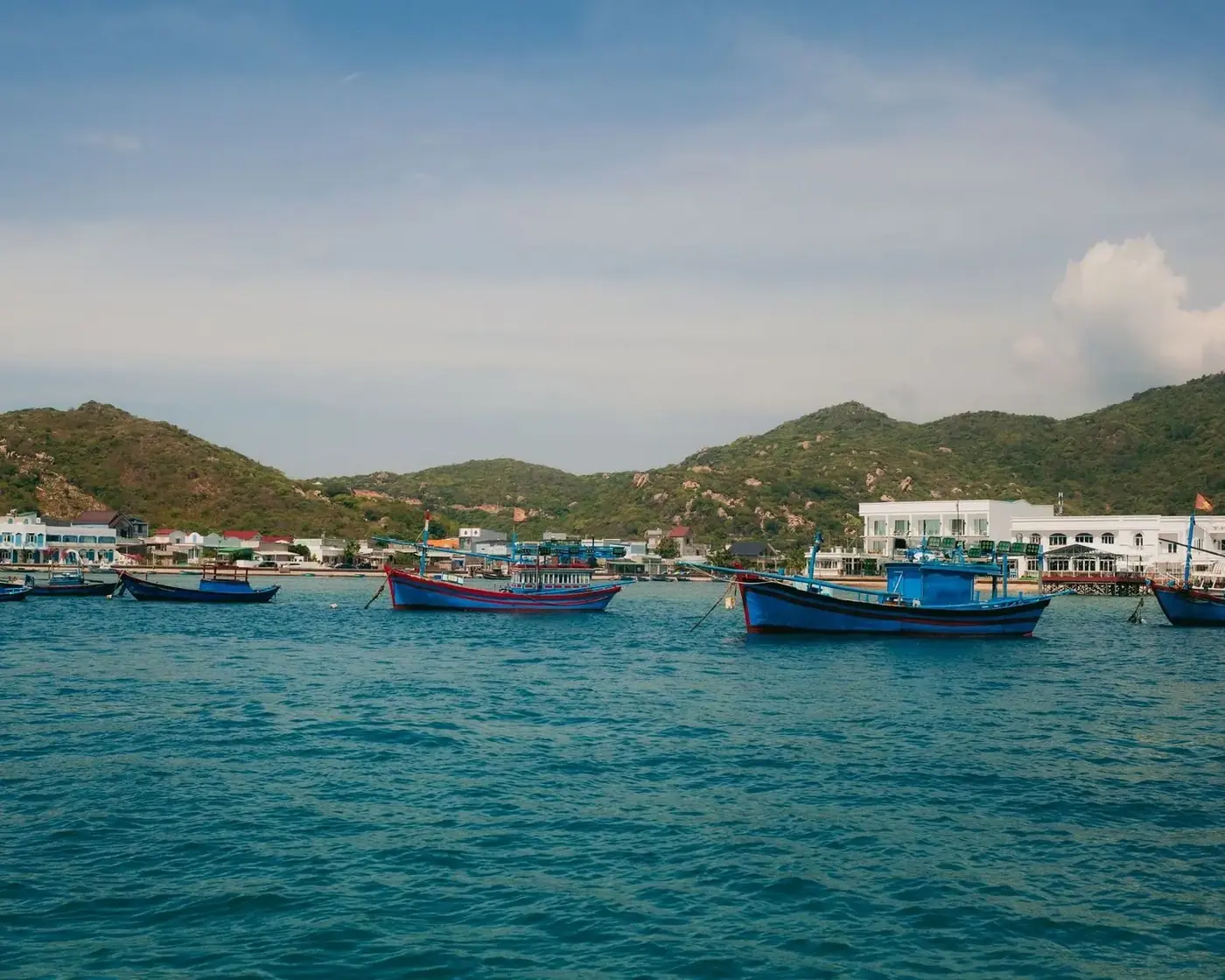
It’s the easiest spot on this list to combine with a non-diving itinerary, since Hoi An’s Old Town, tailoring shops, and lantern-lit riverside are a 15-20 minute boat ride away — it’s one of the stops in our best day trips from Da Nang guide .
Whale Island (Hon Ong): Vietnam’s Whale Shark Season
Whale Island sits in Van Phong Bay, about 100km north of Nha Trang, and it’s the outlier on this list — a single-resort island with its own PADI 5-Star IDC center run by Rainbow Divers. The draw isn’t reef density, it’s timing.
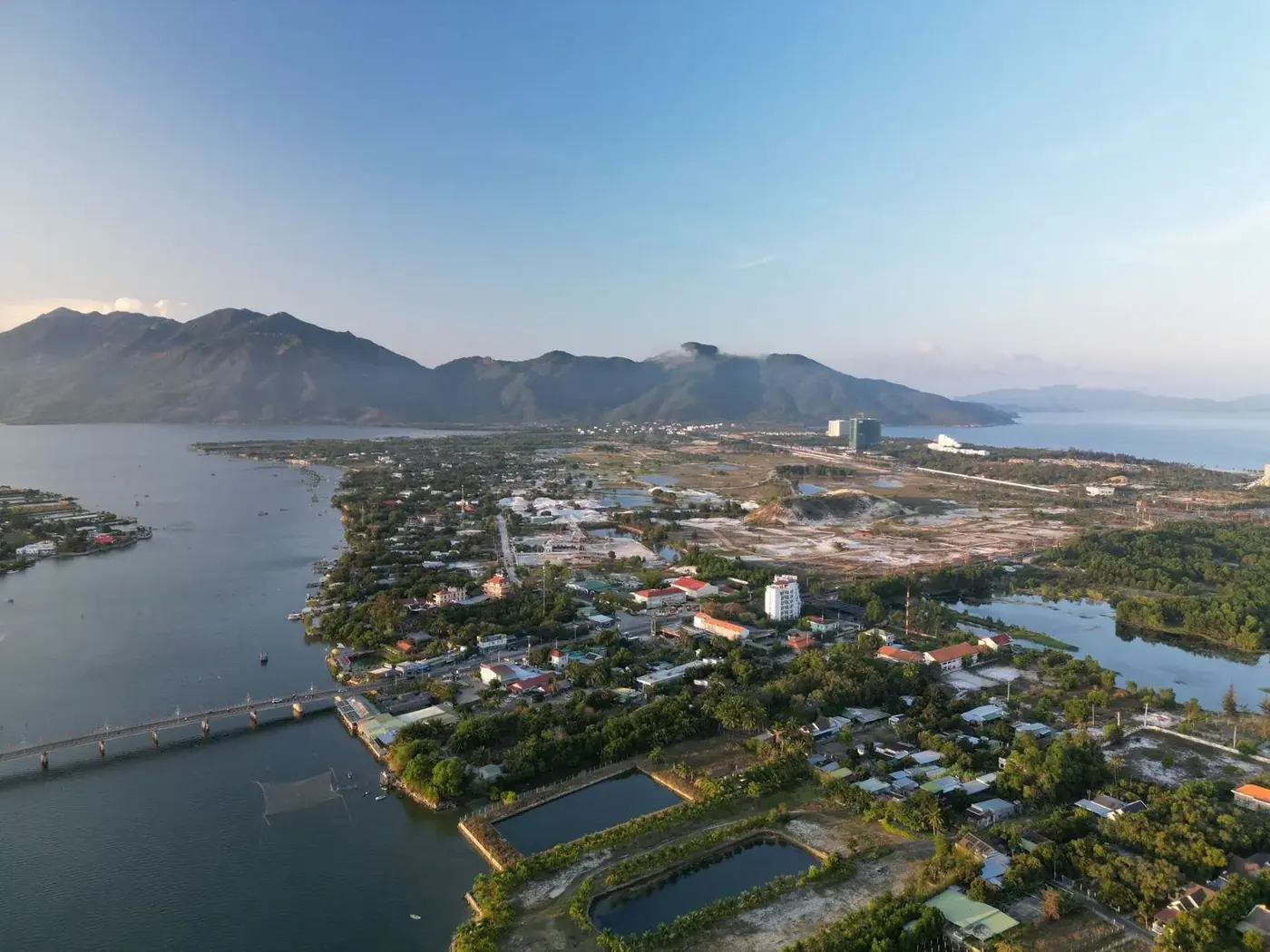
Whales and whale sharks have been reported feeding in the area between April and July, a sighting window none of the other four spots offer. It’s also the most remote pick, so budget a full day just for transfers each way.
How Do You Choose the Right Vietnam Dive Spot?
Match the island to your certification, dates, and base city before anything else. If you’re uncertified and short on time, Hon Mun or Cu Lao Cham let you snorkel straight from a day boat without committing to a course.
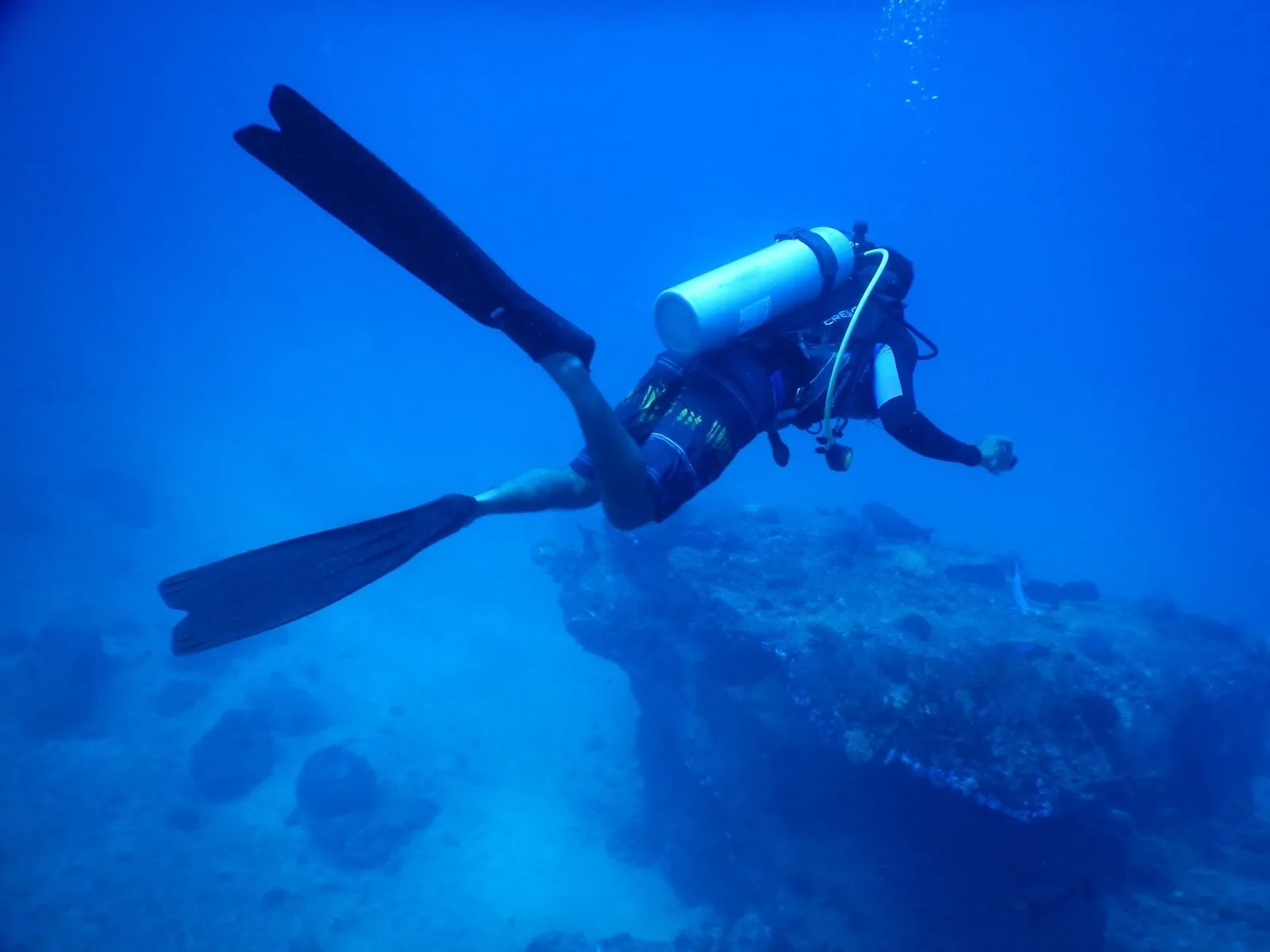
If you’re already PADI-certified and want reef density, Con Dao beats the rest on preservation; if budget is the deciding factor, An Thoi’s $65-90 two-tank dives are the cheapest of the group. Whale Island only makes sense if your dates land in the April-July whale shark window and you’re willing to spend a day getting there. You can browse how we build these multi-stop routes on our full range of Vietnam tours before reaching out.
The part that trips people up isn’t the diving — it’s stitching a dive day into a wider Vietnam route without wasting two days on transfers. This is where our team at Samurai Tour usually steps in: we build multi-day itineraries that slot a Con Dao or Cu Lao Cham stop between your other stops, book the boat and hotel transfers so you’re not doing it island by island, and flag which operators actually run trips on your travel dates. If that sounds useful, message us on Telegram and we’ll sketch a route around it.
Frequently asked questions
Is Vietnam good for scuba diving? Yes for reef diversity and price, especially Con Dao and An Thoi, but it’s not a bucket-list liveaboard destination like Indonesia — expect day-boat diving from a coastal base rather than multi-day boat trips.
Do I need a certification to snorkel in Vietnam? No. Snorkeling tours (around $15-25) need no license anywhere on this list; only tank diving requires PADI/SSI certification or a Discover Scuba session with an instructor.
What is the best month to dive in Nha Trang? June and July give the clearest water inside the March-September season, though tank diving at Hon Mun specifically has been restricted since 2022 — check current status before booking.
Is Con Dao or Phu Quoc better for diving? Con Dao has denser, better-preserved reefs; Phu Quoc’s An Thoi archipelago is cheaper and easier to combine with a beach-only trip since Phu Quoc has visa-free entry for all nationalities.
Are there whale sharks in Vietnam? Sightings are reported around Whale Island (Hon Ong) in Van Phong Bay between April and July — it’s the only spot on this list built around that seasonal window rather than reef diving.
Is a wetsuit needed for diving in Vietnam? Sea temperature holds around 27-30C year-round across all five spots, so a 3mm wetsuit is enough; you won’t need thicker neoprene like you would in northern Asia.