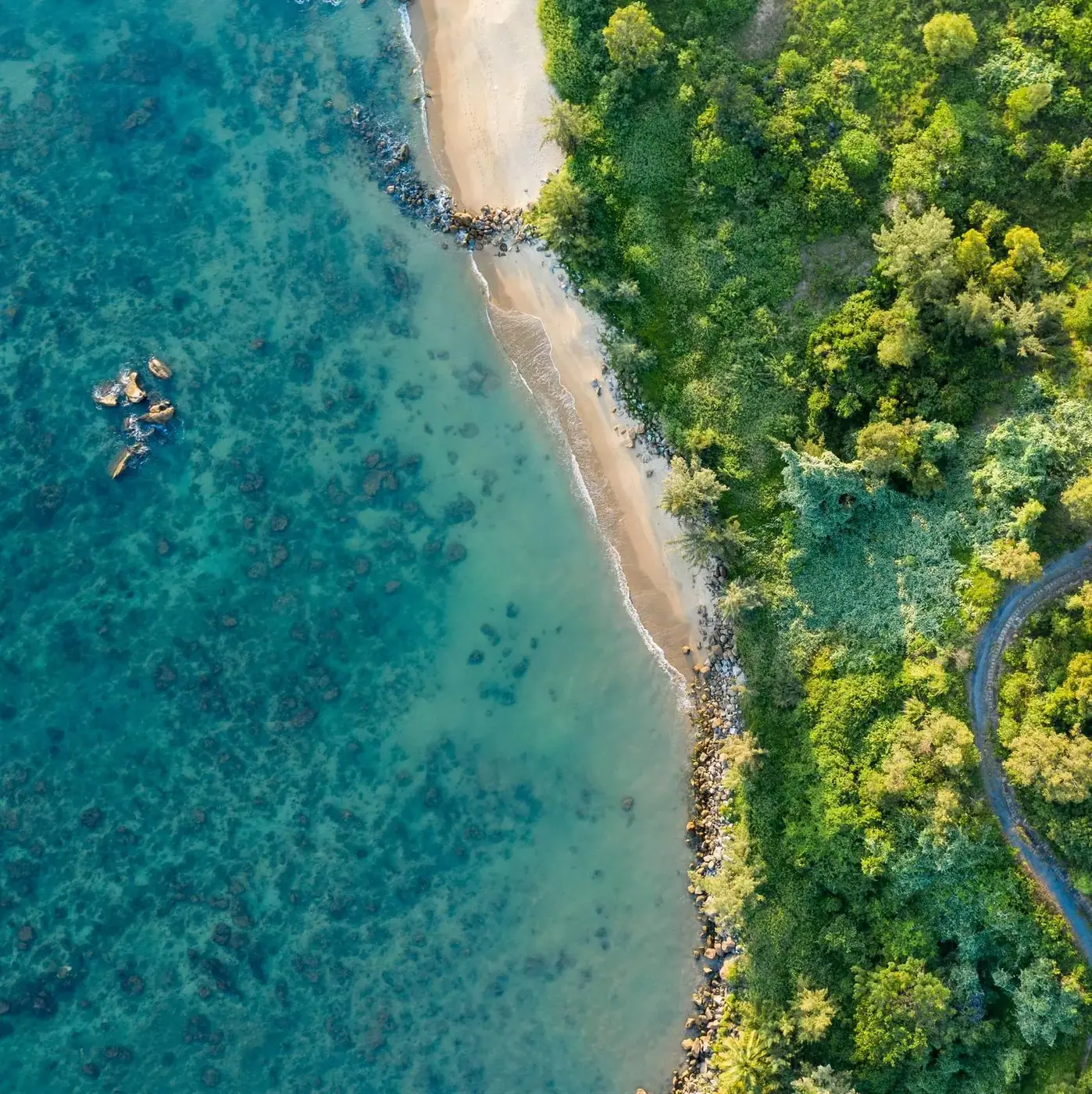
Vietnam stretches 1,650km from north to south — long enough to cross three distinct monsoon systems. The most important thing to know before choosing a beach: the South, Central, and North regions have almost opposite good seasons. Go to the wrong region in the wrong month and you’ll face typhoons, cold grey water, or monsoon mud.
Here’s the short version: South Vietnam (Phu Quoc, Con Dao) is best November–April. Central (Da Nang, Hoi An, Nha Trang) is best February–August. North (Ha Long, Cat Ba) is best April–June and September–October. I’ve been living and running tours in Vietnam since 2023, and season timing is the single most common mistake I see travelers make.
Vietnam Beach Comparison: North vs Central vs South
| Region | Best Season | Water Temp | Top Beaches | Budget/Night | Crowd Level |
|---|---|---|---|---|---|
| North | Apr–Jun, Sep–Oct | 25–28°C (avoid Nov–Mar: 15–18°C) | Cat Co 3 (Cat Ba), Lan Ha Bay, Quan Lan | $15–80 | Medium–High (Jul–Aug peak) |
| Central | Feb–Aug (peak May) | 27–30°C | An Bang (Hoi An), My Khe (Da Nang), Lang Co | $20–120 | High (Da Nang Jul–Aug) |
| South | Nov–Apr | 28–32°C | Sao Beach (Phu Quoc), Con Dao, Ong Lang | $25–200+ | Medium–High (Phu Quoc Jan–Feb) |
Vietnam saw a record 21.2 million international arrivals in 2025 (+20.4% vs 2024). Beaches are filling up faster than before — especially Phu Quoc in January–February, which hit 90% hotel occupancy in early 2026.
North Vietnam Beaches: Ha Long, Cat Ba, Lan Ha Bay, Quan Lan

North Vietnam’s best beaches are best April–June and September–October. Outside those windows, the water drops to 15–18°C in winter (November–March) — cold enough that locals wear sweaters. July–August is peak domestic holiday season: busiest, hottest, storm-prone.
Ha Long Bay — The name is famous; the swimming less so. The main pier at Halong City has no good beach. Real beaches here are cruise-boat stops: Titov Island and Soi Sim Island, where you get 30–60 minutes on fine sand backed by dramatic limestone karsts. Overnight cruises run $100–150/person (3-star) to $250–400+ (5-star). The scenery is genuinely extraordinary. The beach access is a bonus, not the main event.
Cat Ba Island — Cat Co Beaches (Cat Co 1, 2, 3) — This is the North’s best actual beach destination. Three connected cove beaches, limestone hills backdrop, a working port town. Cat Co 3 is the standout: finest sand, clearest water, overlooks Lan Ha Bay, and made Condé Nast Traveler’s 2025 best beaches list . Cat Co 1 has the most facilities but the most people. Ferry from Haiphong: ~$2–5. Budget guesthouse: $15–35/night. Swim season: April–October (water 25–30°C).
Lan Ha Bay — Less visited than Ha Long Bay, accessed from Cat Ba by boat. 139 islands, zero permanent facilities on the beaches, kayaking through karst caves. About as close to an untouched bay experience as you’ll find within reach of Hanoi. Day boat trip: $25–50/person. The catch: you need to arrange a boat.
Quan Lan Island — The North’s hidden beach gem. Four hours from Hanoi via bus + ferry (Cai Rong port → Quan Lan, 2 hours). Long white-sand beaches with virtually no international tourists outside Vietnamese public holidays. Guesthouses $10–25/night. Limited dining. No luxury infrastructure. Worth it if you want empty sand without a cruise boat schedule.
Central Vietnam Beaches: Da Nang, Hoi An, Lang Co, Nha Trang
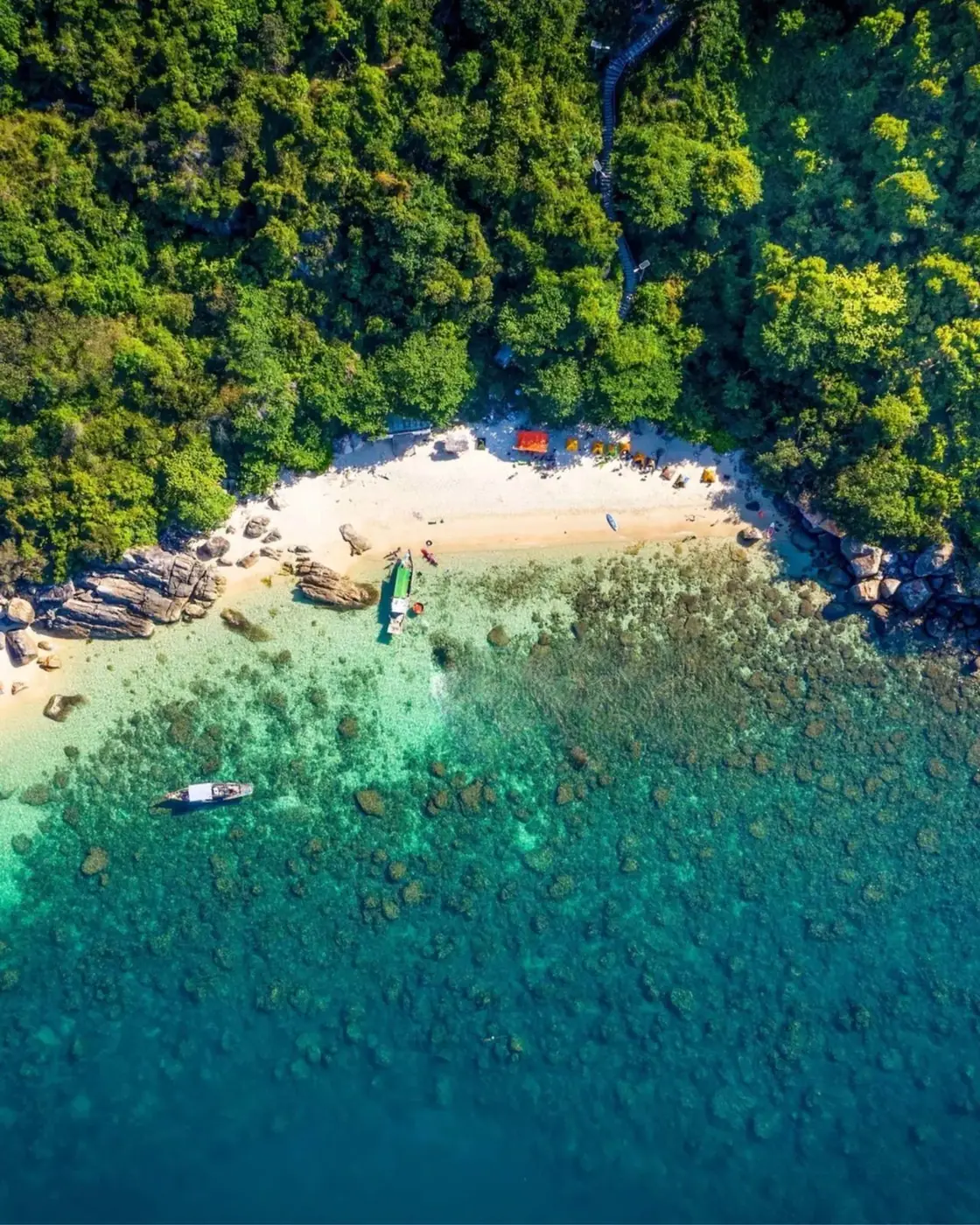
Central Vietnam’s beach season runs February–August, peaking in May. September through December brings typhoon risk — the central coast faces the South China Sea directly and gets hit harder than any other region. October–November are the most dangerous months for travel here, and the exact weeks shift between Da Nang, Hoi An, and Hue, so check typhoon season by region before booking a beach week on this coast.
My Khe Beach, Da Nang — 10–30km of fine white sand, 3km from Da Nang city center. Forbes listed it among Asia’s most beautiful beaches, and honestly it’s impressive in person. Lifeguards patrol 5am–8pm. The downside: it’s very developed, with hotel high-rises lining the beach and a busy promenade. July–August, you’re sharing it with thousands of domestic tourists. Mornings before 9am are calm even in peak season. Hotels start from $15/night (budget) to $100–200+ (beachfront resort). If you’re spending time in central Vietnam, Da Nang beach is excellent — just know it’s an urban resort beach.
An Bang Beach, Hoi An — Five kilometers from Hoi An Ancient Town (15 min by bicycle, or $3–5 taxi). Bamboo beach bars, fresh seafood, a genuinely relaxed atmosphere that hasn’t yet tipped into full commercialization. Best February–May. Local beer costs $0.50–1 at the beach bars. Bicycle rental from Hoi An: 50,000–100,000 VND/day. No shade except at beach bars — bring a hat. This is my top pick for Central Vietnam if you want a beach that still feels like a beach.
Lang Co Beach — A 10km crescent bay between Da Nang and Hue, recognized by the World Bays Club in 2009. Mountains on one side, open sea on the other. Luxury resorts (Banyan Tree from $500+/night; Angsana from $200–400+), or local guesthouses in Lang Co town for $50–120/night. Best March–August. The beach itself is semi-wild in places — if you book at the big resorts, you get empty stretches. Hard to access without a car or motorbike (30km from Da Nang, 70km from Hue).
Nha Trang — Vietnam’s oldest resort town: 6km urban beach, 19 offshore islands, the country’s best dive infrastructure. The beach itself is golden sand but sits in a city bay — not as scenic as Phu Quoc or Con Dao. Best February–May (9–10 hours sunshine/day, 28–30°C). Warning: fire jellyfish (sứa lửa) season runs May–July — the Bay Management Board issues an annual advisory. October–December brings brown water and rough seas. 4-star resorts from $60–120/night; budget from $15–30.
Matching the right beach to the right month is half the battle — get it wrong and you lose days to rain, jellyfish season, or a resort ringed by construction. This is where I usually step in: I match travelers to the region and season, then build the full itinerary with transfers and hotels sorted on the ground.
South Vietnam Beaches: Phu Quoc, Con Dao, Mui Ne
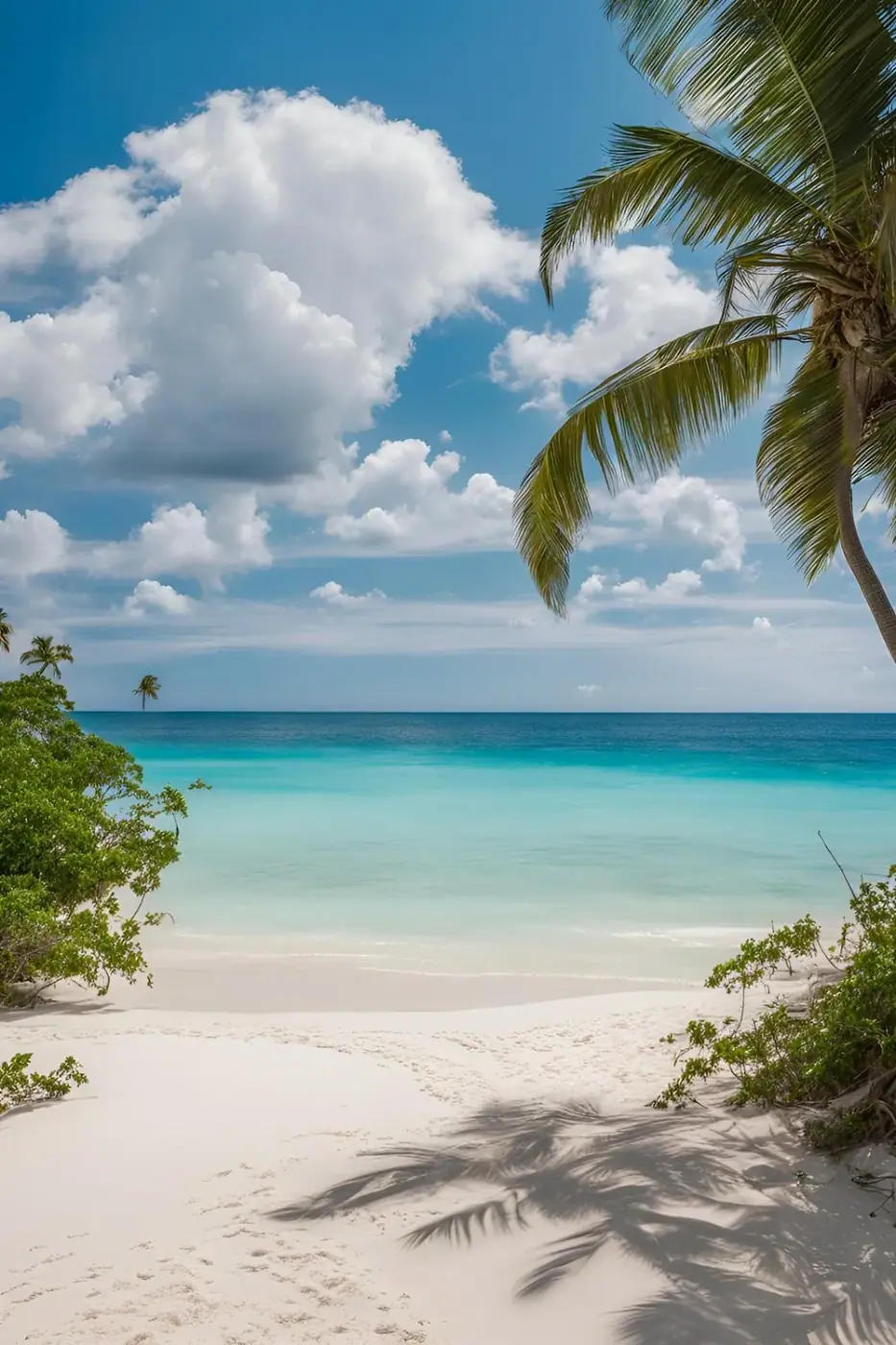
South Vietnam’s dry season is November–April, when the southwest monsoon is gone and the sky stays clear for weeks at a stretch. The southwest monsoon (May–October) hits the west coast hard — Phu Quoc’s Long Beach gets rough, murky seas from May onwards. The island’s east coast (Sao Beach) stays calmer longer due to shelter from the hills.
Phu Quoc Island — Sao Beach — The standout: 7km of powder-white sand, shallow turquoise water, coconut palms, almost no development on the beach itself. Day-trippers arrive 10am–3pm; mornings and evenings are quiet. Motorbike from Duong Dong: about $6–8/day rental; taxi one-way ~$8–10. The issue in 2026: Sao Beach and Khem Beach were covered with water hyacinth and floating debris in January (first weeks after monsoon ends) — this clears up by February. Book from February onwards for a cleaner experience.
Phu Quoc — Ong Lang Beach (northwest) — The quietest of Phu Quoc’s main beaches. Boutique resorts, natural rock formations, no mass tourism infrastructure. $60–150/night for accommodation. Best for couples wanting seclusion. North of this, the coastline is largely undeveloped.
Phu Quoc — Long Beach / Bai Truong (west coast) — The 15–20km main resort strip. Best sunsets in Vietnam, excellent infrastructure, most of the island’s 4-star hotels. January–February 2026 hit 90% hotel occupancy — book 2–3 months ahead. Mid-range $50–100/night; 4-star beachfront $80–140/night. Southern Long Beach is noticeably quieter than the northern strip near Duong Dong town.
Con Dao Islands — The most pristine beaches in Vietnam, full stop. An archipelago of 16 islands 180km offshore. Green sea turtles nest May–October — watching them lay eggs at night is extraordinary. Dam Trau, An Hai, and Nhat beaches have white sand and near-zero crowds. Flight from Ho Chi Minh City: $40–90 one-way, 45 minutes. Accommodation ranges from budget guesthouses ($25–40/night) to the Six Senses resort ($753+/night). Peak weekends sell out — book well ahead. This is where I send clients who want the real deal and have the budget for it.
Mui Ne — Vietnam’s wind sport capital. Fifteen kilometers of palm-backed beach (tan sand, not white), 5–7 hours by bus from Ho Chi Minh City (no commercial airport until late 2026 at the earliest). Best November–March for kitesurfing and windsurfing; kite rental ~$22/hour, lessons ~$43/hour from established schools. Booking.com named Mui Ne a world leading emerging hotspot for 2026. For beach swimming and scenery, Phu Quoc is better. For wind sports and atmosphere, Mui Ne is unmatched in Vietnam.
How to Choose: Which Vietnam Beach Fits Your Trip
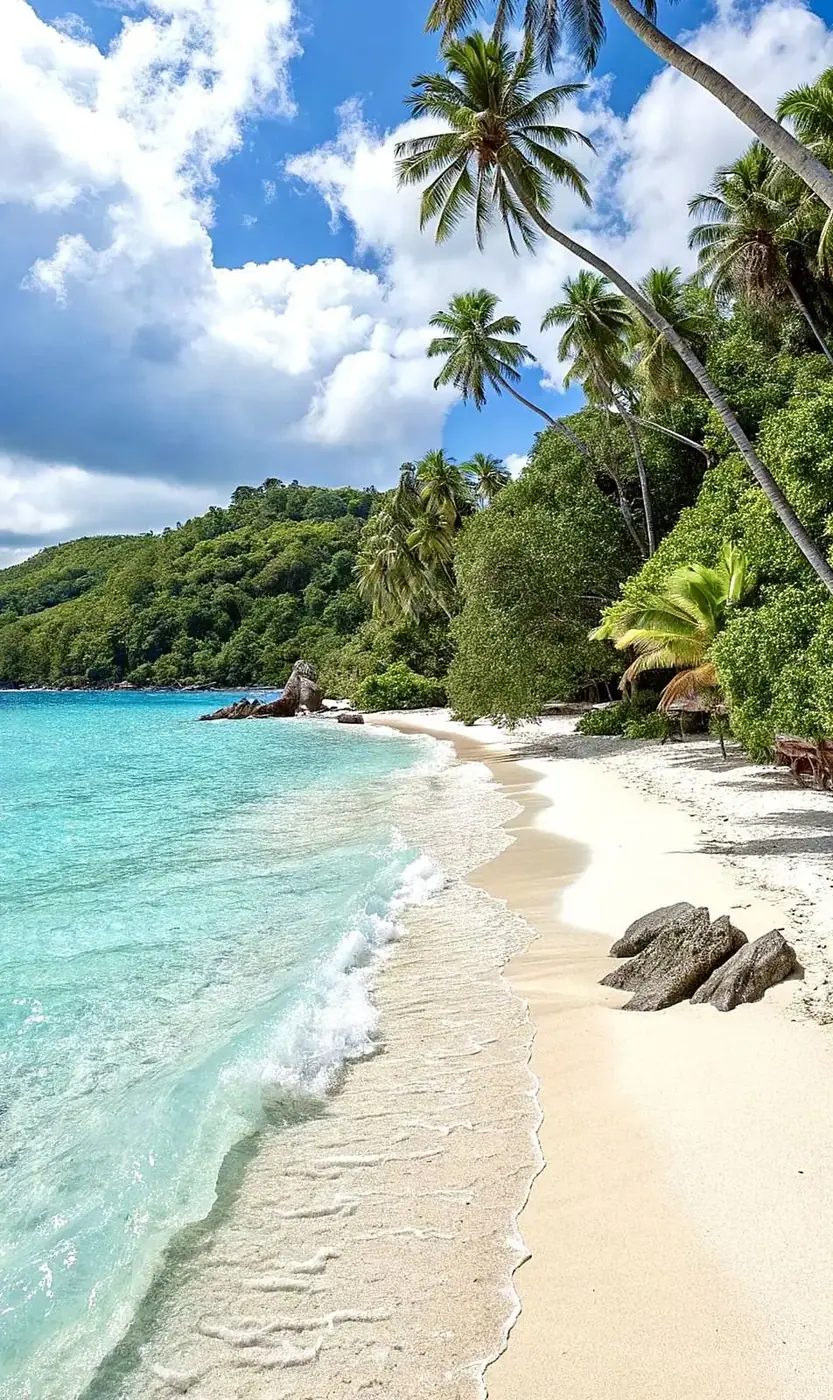
Go South (Phu Quoc, Con Dao) if: You’re visiting November–April, want white-sand beaches, and prioritize clear water over diving infrastructure. Con Dao if budget allows and you want exclusivity. Phu Quoc if you want more choice of restaurants, activities, and nightlife.
Go Central (Da Nang, Hoi An, Nha Trang) if: Your trip falls February–August, especially May. Da Nang gives you a solid city beach with easy access to Hoi An, Hue, and northern mountains . An Bang is the best laid-back option. Nha Trang for diving.
Go North (Ha Long, Cat Ba) if: You’re visiting April–June or September–October, and the primary attraction is karst scenery + kayaking, not lying on a beach. For pure beach, Cat Ba Island and Quan Lan are better than Ha Long Bay cruises.
Avoid the mismatch: Don’t book Da Nang in October–November (typhoon season), Phu Quoc in June–September (monsoon), or Ha Long in January–February (15°C water). These mistakes cost a holiday.
If you’d rather not gamble on timing at all, our 15-day Vietnam route is built to move through all three coasts in their right season - north in the shoulder months, center in spring, south once the beaches clear.
For a full route that combines North-to-South beaches with the best cultural stops, see my 10-day Vietnam itinerary guide .
Frequently Asked Questions
What is the best beach in Vietnam in 2026? For white sand and clear water, Sao Beach on Phu Quoc and Con Dao Islands rank highest. In Central Vietnam, An Bang Beach (Hoi An) is the least commercialized. In the North, Cat Co 3 on Cat Ba Island made Condé Nast Traveler’s 2025 best beaches list. The honest answer: the best beach depends on when you’re going — Vietnam’s three regions have almost opposite seasons.
When is the best time to visit Vietnam beaches? South Vietnam (Phu Quoc, Con Dao, Mui Ne) is best November–April. Central Vietnam (Da Nang, Hoi An, Nha Trang) is best February–August. North Vietnam (Ha Long Bay, Cat Ba) is best April–June and September–October. Vietnam stretches 1,650km — three distinct monsoon systems mean no single month is right for every coast simultaneously.
Is Phu Quoc or Nha Trang better? Phu Quoc wins on beach quality — Sao Beach has 7km of powder-white sand and turquoise water; Nha Trang’s bay is urban and brown-water in the wrong season. Nha Trang wins on nightlife, diving infrastructure, and city amenities. Their seasons differ: Phu Quoc is best November–April, Nha Trang February–May (avoid October–December, when its bay turns to brown water and rough seas). If beach scenery is the priority, Phu Quoc.
Which Vietnam beach is least crowded? Con Dao Islands (limited capacity, remote) and Quan Lan Island (North, no international tourist infrastructure) are the quietest. Lan Ha Bay beaches near Cat Ba are accessible only by boat — most stay nearly empty. Ong Lang Beach on Phu Quoc is the quietest of the main southern beaches.
Can you swim in Ha Long Bay? Yes, but not from the main pier. Swimming happens at cruise-boat beach stops or Cat Ba Island beaches. Water temperature: November–March drops to 15–18°C — too cold to swim comfortably. Best swimming in the North is April–June and September–October (25–28°C water).
Are Vietnam beaches clean? Varies significantly. Con Dao is pristine (marine park protection). An Bang (Hoi An) is consistently clean. Nha Trang main beach gets murky October–November. Phu Quoc’s Sao Beach had debris in early January 2026 — this clears by February. Check recent reports before booking November–December arrivals.
Ready to plan your Vietnam beach trip? I help travelers match their dates to the right coast and build an itinerary that makes the most of the best places in Vietnam - browse the full range of routes we run to see how it all fits together.
- Telegram @vietnam_samurai — message me directly, chat opens pre-filled “I came from your website”
—SCHEMA— faq:
- q: “What is the best beach in Vietnam in 2026?” a: “For white sand and clear water, Sao Beach on Phu Quoc and Con Dao Islands rank highest. In Central Vietnam, An Bang Beach near Hoi An is the least commercialized. In the North, Cat Co 3 on Cat Ba Island made Condé Nast Traveler’s 2025 best beaches list. The best beach depends on when you’re going — Vietnam’s three regions have opposite peak seasons.”
- q: “When is the best time to visit Vietnam beaches?” a: “South Vietnam (Phu Quoc, Con Dao, Mui Ne) is best November–April. Central Vietnam (Da Nang, Hoi An, Nha Trang) is best February–August. North Vietnam (Ha Long Bay, Cat Ba) is best April–June and September–October. Vietnam stretches 1,650km with three distinct monsoon systems.”
- q: “Is Phu Quoc or Nha Trang better for beaches?” a: “Phu Quoc wins on beach quality — Sao Beach has 7km of powder-white sand and turquoise water; Nha Trang’s bay is urban with brown water in the wrong season. Nha Trang wins on nightlife, diving infrastructure, and city amenities. Phu Quoc is best November–April; Nha Trang is best February–May (brown water and rough seas October–December).”
- q: “Which Vietnam beach is least crowded?” a: “Con Dao Islands and Quan Lan Island in Bai Tu Long Bay are the least crowded. Lan Ha Bay beaches near Cat Ba are accessible only by boat. Ong Lang Beach on Phu Quoc is the quietest main southern beach.”
- q: “Can you swim in Ha Long Bay?” a: “Yes, but not from the main pier. Swimming happens at cruise-boat beach stops or Cat Ba Island beaches. November–March the water is 15–18°C — too cold for most swimmers. Best swimming months in the North are April–June and September–October.”
- q: “Are Vietnam beaches clean?” a: “Con Dao is pristine (marine park protection). An Bang (Hoi An) is consistently clean. Nha Trang beach gets murky October–November. Phu Quoc’s Sao Beach had floating debris in early January 2026 after monsoon; this clears by February.”