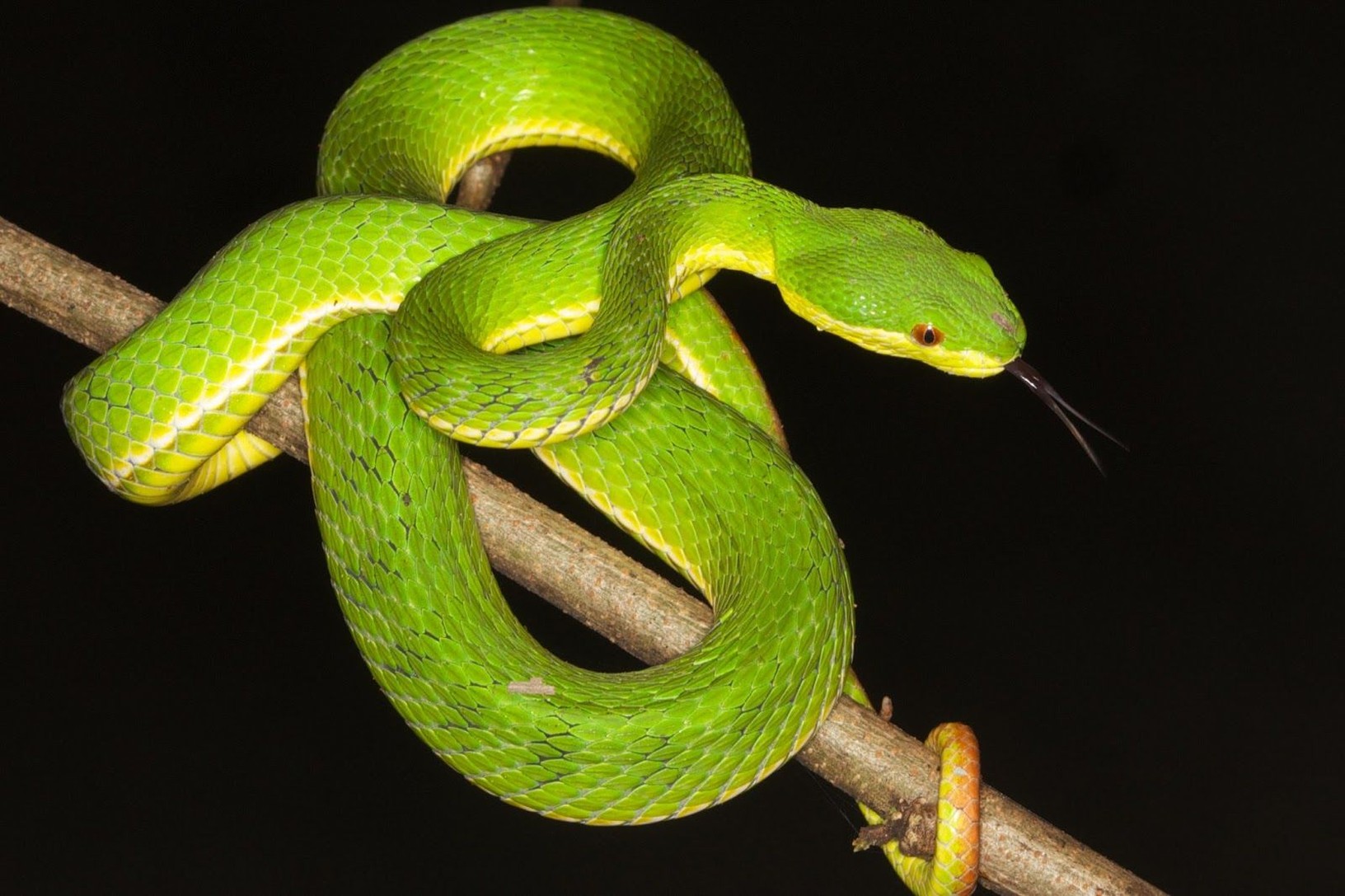
If you’re spending a week in Vietnam, your snake-bite risk is essentially zero. The Vietnam Ministry of Health logs fewer than 5 snake-bite fatalities a year, against more than 100,000 dengue cases — meaning your real enemies are mosquitos on a Ho Chi Minh sidewalk, jellyfish off Nha Trang in July, and sand fleas on a quiet stretch of Mui Ne. I’ve lived in Da Nang long enough to see what actually sends travelers to clinics, and almost none of it involves snakes.
The honest answer: snakes aren’t the problem
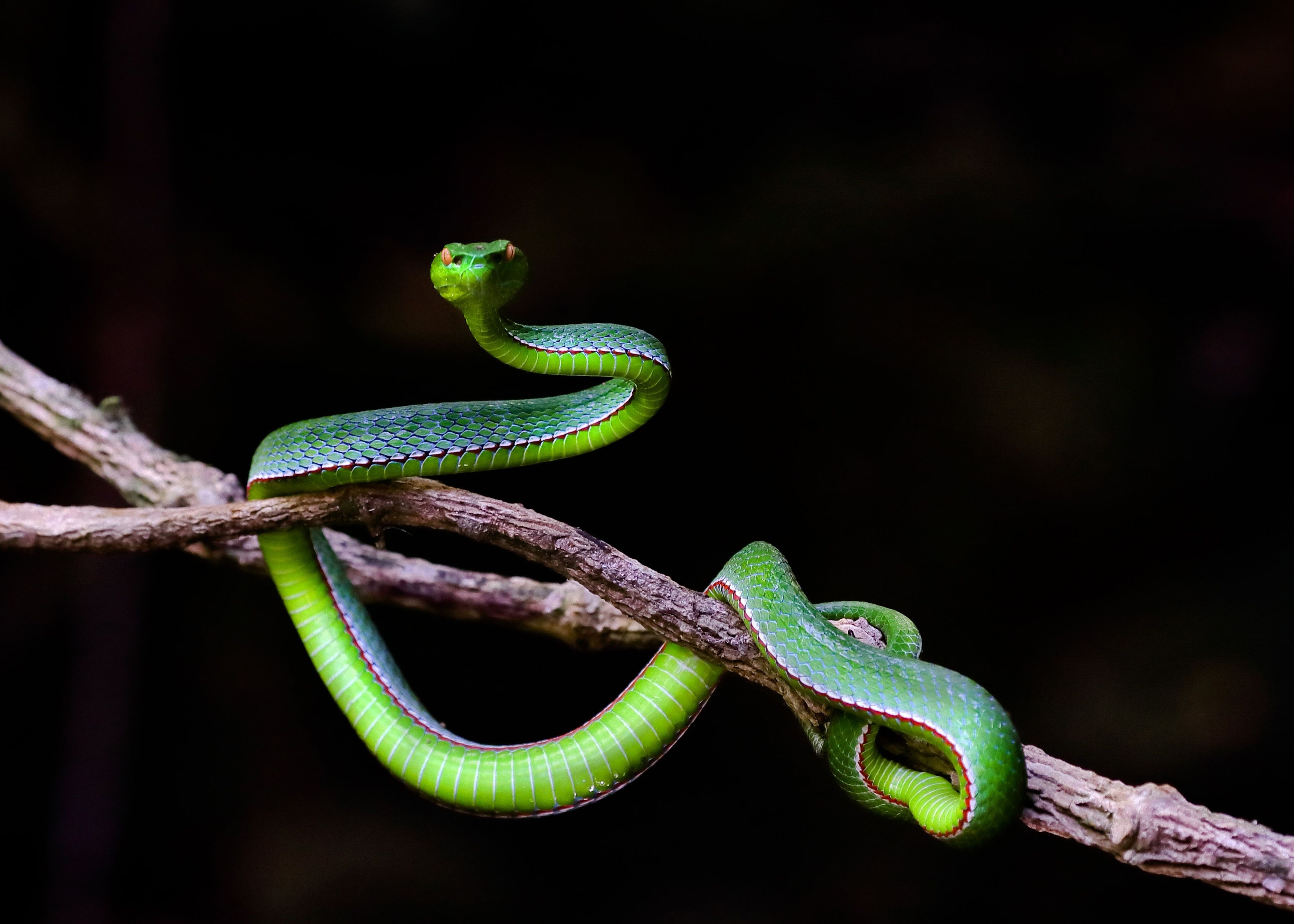
Vietnam has roughly 130 snake species and around 30 venomous ones. The big names — banded krait, king cobra, white-lipped pit viper — get headlines, but in six years of hiking around Da Nang, Da Lat and Bach Ma, I’ve seen two snakes outside captivity. Both were leaving.
Snakes avoid foot-traffic. The handful of cases that reach hospitals happen mostly to rural farmers in flip-flops during the May-October rainy season. If you’re a traveler walking marked trails in sneakers, the math is on your side. The animals that will affect your trip live somewhere else entirely. For a fuller honest take on what surprises expats here, see six years in Vietnam: a reality check .
Da Nang beaches: sand fleas, jellyfish, sea urchins

The biggest wildlife surprise on My Khe or Non Nuoc isn’t sharks — it’s the small stuff close to shore.
Sea urchins sit in shallow coral patches. Step on one and you’ll be picking spines out for two days. Wear reef shoes whenever the water is murky or you can’t see the bottom.
Jellyfish appear most reliably from May through August. The sting is sharp and lasts an hour, but not life-threatening for healthy adults. Rinse with seawater or vinegar — never fresh water, which makes it worse.
Sand fleas love shaded, less-busy beaches like Mui Ne’s far ends or Lang Co. The bites itch for a week and look like mosquito welts. A beach towel between you and the sand fixes 90% of it.
Planning a Vietnam route?
Our Samurai Tour team puts together day-by-day plans that skip the high-jellyfish months and the dangerous-rip beaches — based on six years of living here.
Message us on Telegram →Sapa trails: leeches, vipers, rain-season risks
Sapa is the one place I’d recommend long pants and proper boots, especially between June and September. Leeches show up after rain — they’re not dangerous, just annoying. Carry salt or hand sanitizer to remove them, never pull.
Green vipers do exist in the upper trails around Cat Cat and Lao Chai, though sightings are rare. Stay on marked paths, don’t reach into bushes for photos, and you’ll be fine. Local guides know exactly which sections to skip after heavy rain — hire one for the longer routes. If you’re trying to time the trip, September is the only month I’d visit Sapa now .
The bigger risk in Sapa is actually the trail surface: clay paths turn into mudslides in 30 minutes. Twisted ankles outnumber animal incidents by a wide margin.
Mekong Delta and rural rides: mosquitos and dengue
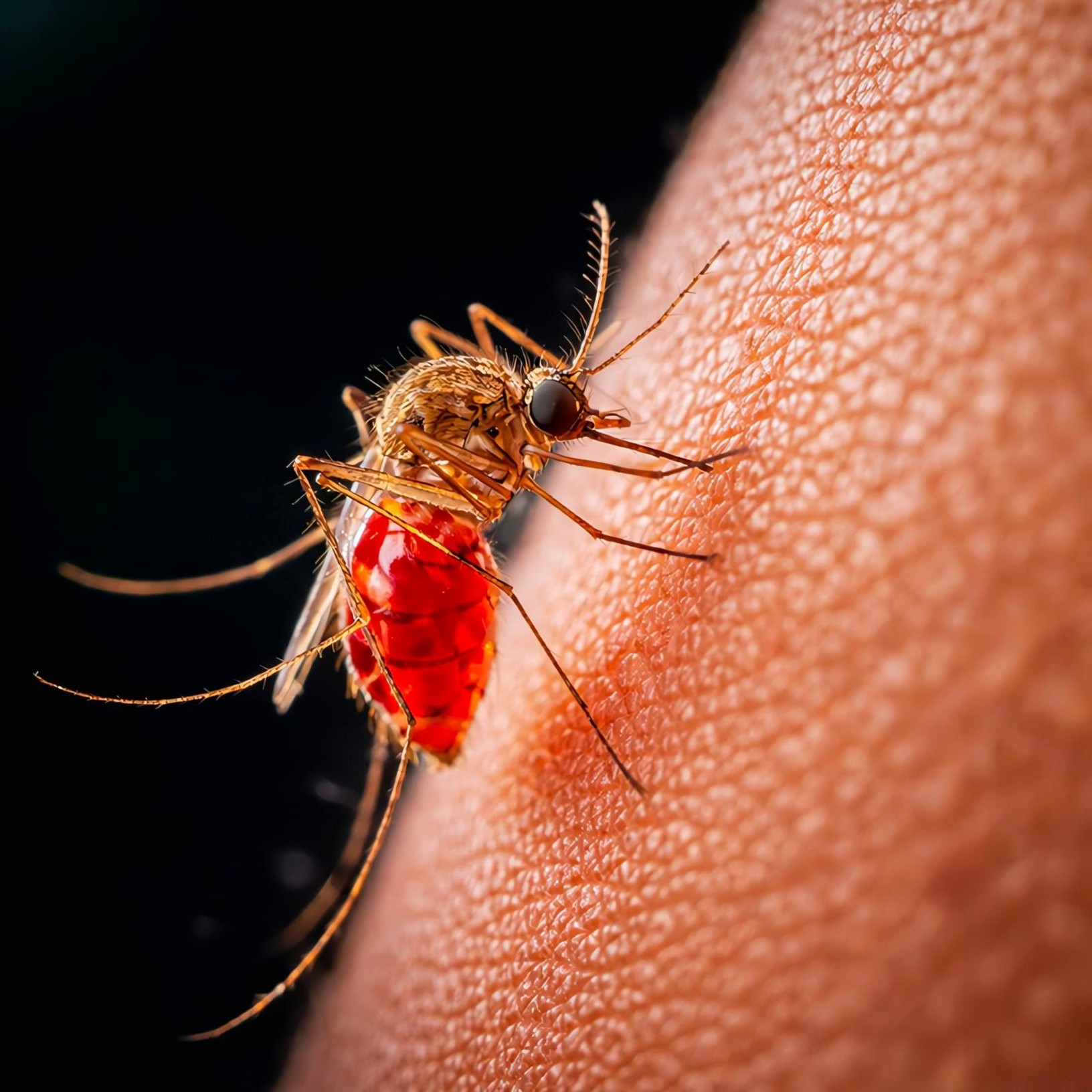
The Mekong, Phu Quoc’s inland villages, and rural homestays are where mosquito exposure spikes. Three diseases matter: dengue (nationwide, hits with 40 °C fever and a week of joint pain), Japanese encephalitis (rural and northern provinces, vaccine recommended only for stays over 4 weeks in rice-farming areas), and malaria (low risk, slightly elevated near the Laos and Cambodia borders).
Your real defense is layered: 30%+ DEET on exposed skin from sunset, long sleeves at homestays, and a mosquito net if your room doesn’t already have one. Citronella candles look romantic but don’t do enough.
Cities — Ho Chi Minh and Hanoi: dogs, rats, roaches
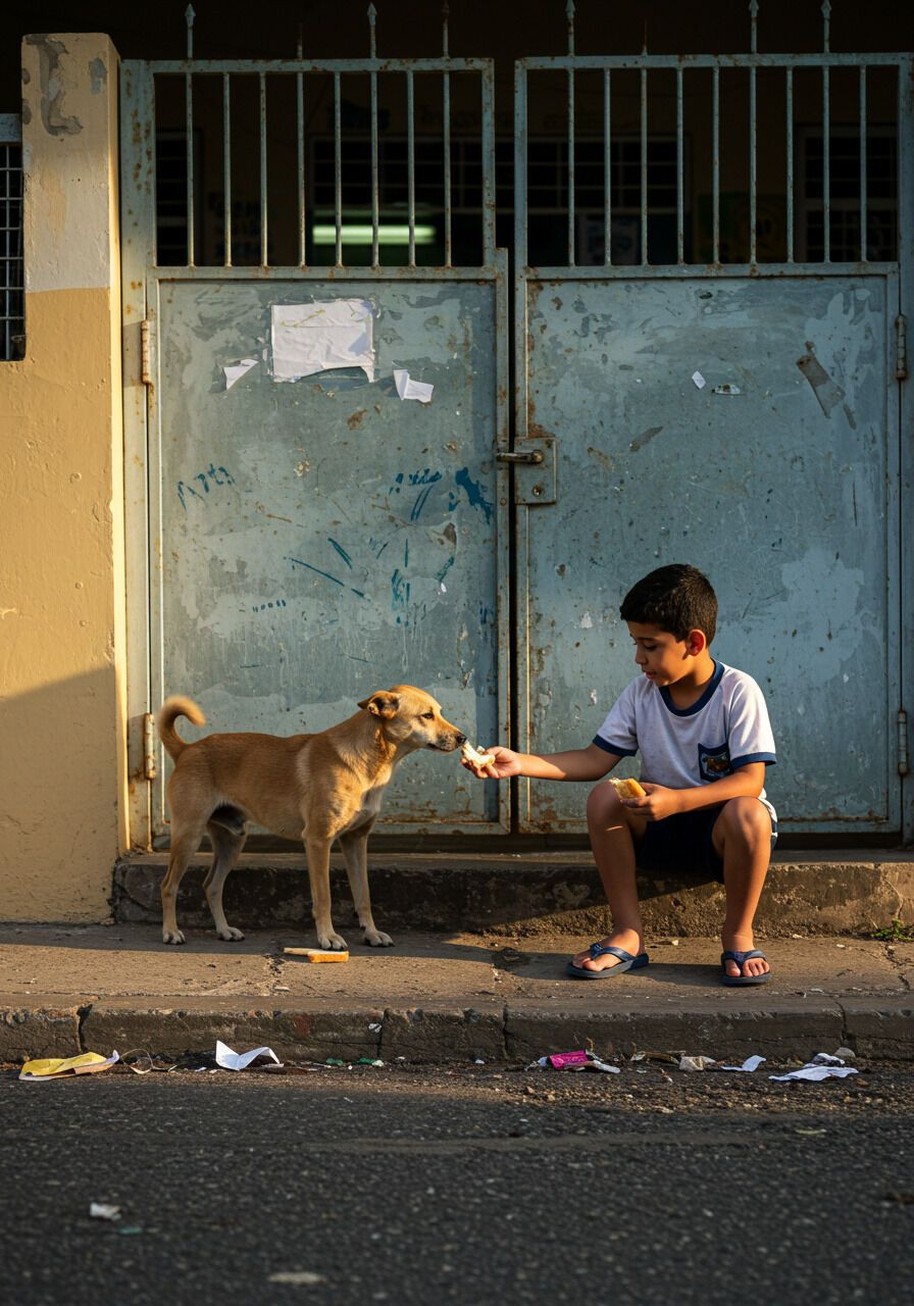
Urban wildlife is the most underestimated category by first-time visitors. Stray dogs carry rabies in some districts — Vietnam reports dozens of human rabies deaths a year. Don’t pet street puppies. If you’re scratched or bitten, get to a tropical disease centre within 24 hours for the vaccine series.
Rats and mice live around markets and food-stall alleyways. They’re not aggressive, but step over food waste, not through it. Cockroaches are huge, ubiquitous, and harmless — you’ll get used to them.
Pack a 7-day Vietnam first-aid kit
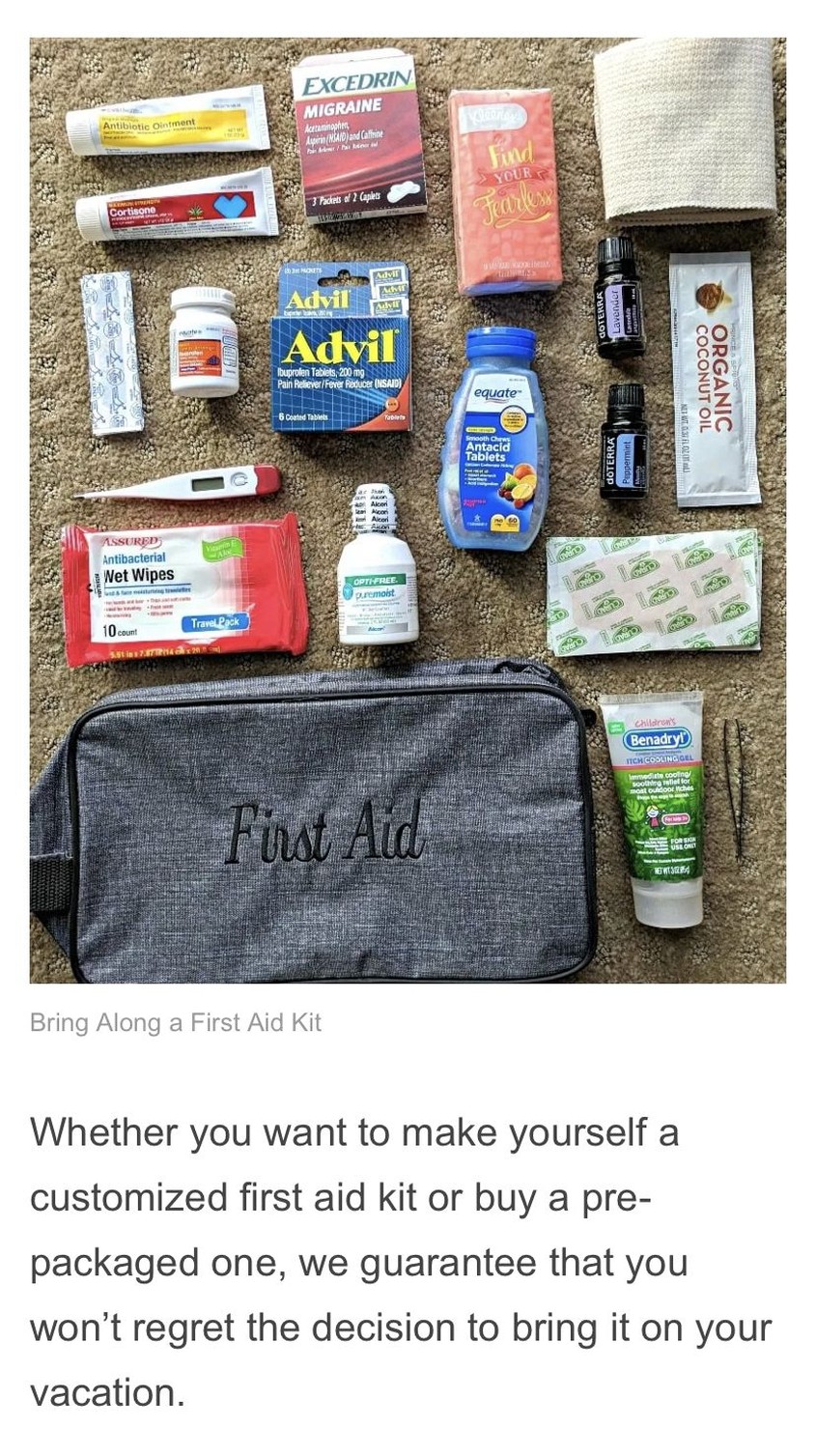
Forget the all-in-one drugstore travel kit. The five items that have actually mattered in six years:
- Loratadine or Cetirizine — for insect bites, jellyfish stings, mystery rashes.
- Betadine — disinfects any open wound, including dog scratches.
- A small bottle of vinegar — for jellyfish stings, keep it accessible at the beach.
- Fine-tip tweezers — for sea urchin spines and embedded thorns.
- 30% DEET repellent — locally sold versions are weaker; bring your own or buy a foreign brand at major pharmacies.
Add paracetamol but skip aspirin and ibuprofen during a suspected dengue infection — they thin the blood.
If something bites you: 5-step protocol
- Move out of the danger zone calmly — out of the water, off the trail.
- Photograph the animal if it’s safe to do so. Don’t try to catch it.
- Rinse the wound: seawater for jellyfish, fresh water with soap for insects or dog bites, Betadine for deep punctures.
- Walk into the nearest pharmacy. Most tourist areas have one within a few blocks. Show the wound, name the animal, accept the antihistamine or referral.
- Go to a hospital immediately if you have: throat swelling, vomiting, shortness of breath, confusion, or loss of consciousness. In Da Nang that’s Family Hospital, in Ho Chi Minh FV Hospital, in Hanoi Vinmec.
The single most useful thing you can do before the trip is buy travel insurance that covers rabies treatment and tropical disease hospitalization. Treatment without insurance runs $500-2000; with a decent policy it’s free or refunded.
Bottom line
Vietnam is no more dangerous than Thailand or Cambodia in terms of wildlife. The risks are mostly small, mostly avoidable, and mostly mosquitos. A bed net, real shoes for the trails, a beach towel, and travel insurance handle 95% of what could go wrong. For broader context on Vietnamese fauna and conservation, Vokrug Sveta magazine has a careful overview.
If you want help planning around the rough months, or you’re not sure which beach is safe in July, talk to our team:
- Instagram @vietnam_samurai
— DM the word
testand we’ll send you a routed itinerary based on your travel style. - Telegram @vietnam_samurai — direct questions about Vietnam, visas, relocation, or specific regions.