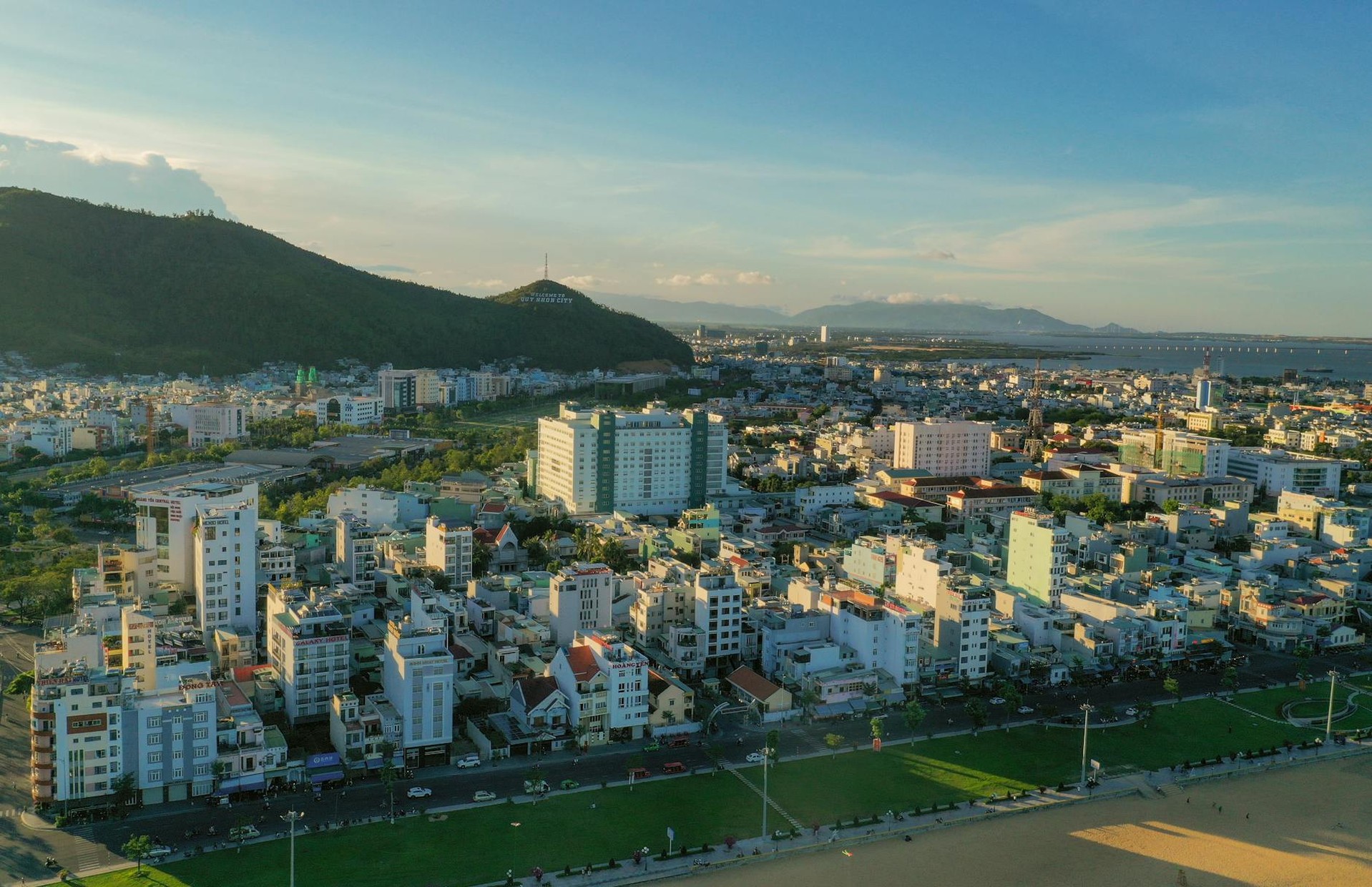
After six years in Vietnam — most of them in Da Nang, with stretches in Ho Chi Minh City and Nha Trang — the most useful thing I can tell anyone considering the move is this: Vietnam rewards patience, not optimism. The cost of living is real (a comfortable single in Da Nang runs $700–1,200 a month all-in), the climate is harder than people expect, and the friendships you build will outlast the country itself.
I get the same DMs every week: “Should I move? Will I love it? How fast can I do it?” Here’s the version I’d give a friend, not the version that sells a tour.
What Living Here Actually Looks Like Day to Day
Days here start early. Construction starts at 6 a.m., the bakery opens at 6:30, the gym fills up by 7. Most local offices wrap by 4 p.m., and the beach is busiest from 5 to 7 p.m. when the sun finally drops. If you’re an evening person, you’ll feel out of sync for a while.
You’ll spend more time outside than you ever did at home. Cafés have no walls, food courts are open-air, and most apartments have semi-outdoor kitchens. That’s lovely from October to March. From May to September it means you sweat through three shirts a day and your laundry never quite dries.
Vietnamese is not optional, but it’s also not what you think. You don’t need conversational Vietnamese to live here — you need maybe twenty words: numbers, “no fish sauce,” “I’ll pay now,” “the road to,” “thank you.” Beyond that, English works in cities; outside them, Google Translate carries the day.
The Money Question
Vietnam is cheaper than the US or Western Europe, but not in the romanticized way digital-nomad blogs sell it. Here’s what a single person actually spends in Da Nang in 2026:
- A serviced one-bedroom in a decent neighborhood: $400–700.
- A motorbike (rented): $50–80 a month, plus gas $15.
- Local food (com tam, pho, bun bo): $1.50–3 a meal.
- Western-style cafés and restaurants: $5–15 a meal — and you’ll go more than you planned.
- A monthly grocery shop with imported items: $200–350.
Add health insurance ($60–150), a co-working seat if you need one ($120–180), and the occasional weekend trip ($80–150), and you land at $1,200–1,800 for a comfortable solo life. Families with one kid in international school easily double that.
The trap nobody warns about: imported goods. Cheese, wine, decent olive oil, and toddler nappies cost more than at home. If you can’t live without them, your “cheap Vietnam” budget evaporates fast. If the city choice itself is what’s holding you back, my Da Nang vs Saigon vs Nha Trang breakdown walks through the trade-offs in detail.
Planning the budget side?
Our team helps newcomers cost out their first six months — visa, housing, schools — in one call.
Message on Telegram →Raising Kids and Daily Family Life
Kids do well here. The weather is a year-round playground, fruit is fresh and cheap, and Vietnamese culture genuinely welcomes children — strangers will engage with your kid in a way that feels intrusive at first and warm a year in.
Schools split into three tiers. Local Vietnamese kindergartens cost $80–150 a month and your child will likely come out speaking some Vietnamese. Bilingual schools sit at $400–800 a month and offer a mixed curriculum. Full international schools (American, British, Singaporean) run $900–2,200 a month per child and look like the schools you left.
Healthcare is two-tier in the same way. Family Medical Practice and Vinmec handle expat-grade visits ($60–120 per consultation, English-speaking doctors). Public hospitals are cheap and competent for emergencies but require a Vietnamese-speaking friend. Most expat families I know carry international insurance for anything serious. The full breakdown of moving with a family — visas, banks, schools, taxes is in a separate post.
What Catches Newcomers Off Guard
The traffic. The first time you cross a major street in Saigon you will freeze. The trick is to walk slowly and predictably — never run, never stop. Motorbikes flow around you like water around a rock. After three months, you stop noticing.
The noise. Karaoke is a national hobby, weddings happen on the street, and 6 a.m. construction is the norm. Earplugs are not optional.
The administrative friction. Renewing a visa, opening a bank account, registering a long-term rental — none of it is hard, but each step takes longer than you expect, requires a piece of paper you didn’t know existed, and works better when you bring a Vietnamese friend along. If you’re earning here, Vietnam’s tax rules for foreigners catch most newcomers off guard within the first six months.
The hospitality you didn’t ask for. Refusing food is socially expensive — try one bite, thank, decline politely. The first time someone offers you balut or fertilized duck egg, smile and try a small piece. You will earn more goodwill in five seconds than in a month of small talk.
Should You Make the Move
Move if you handle ambiguity well, like warm weather more than European summers, and want a slower pace without losing access to a real city. Don’t move if you need precise schedules, predictable customer service, or a quiet neighborhood — none of that is on offer.
Most expats I know who lasted past year three have one thing in common: they stopped comparing Vietnam to home. The country isn’t a cheaper version of anywhere — it’s its own place, and you either learn its rhythm or you leave by month eighteen.
For an outside view of how this matches the broader picture, the InterNations Expat Insider report consistently ranks Vietnam in the top quartile for ease of settling in and cost of living, with traffic and air quality as the recurring complaints — which mirrors what I see on the ground.
If you’re sizing up the move and want a real conversation — not a sales pitch — here’s how to reach me.
- Instagram @vietnam_samurai
— DM the word
testand I’ll send back a short profile of the kind of trip or move that fits you. - Telegram @vietnam_samurai — message me directly with visa, residency, or relocation questions.